When a loved one passes, families are often faced with important decisions during an emotional and difficult time. Having proper funeral plans can help provide structure and ease uncertainty. It also ensures your loved one is honoured according to their beliefs, traditions, and final wishes.
Here is a step-by-step guide on how to plan a funeral after a loved one has passed.
Step 1: Handle The Immediate Arrangements After A Passing
There are a few essential steps that need to be arranged before funeral planning can proceed:
- Obtain The Certification Of Death
If the passing happens at home, a doctor will need to certify the death. If it occurs in a hospital, the hospital usually assists with the process.
This documentation is required before funeral arrangements can begin.
- Inform Family Members And Close Relatives
Families usually contact close relatives first before making wider announcements.
This also becomes the time when families begin discussing:
- Religious funeral preferences
- Burial or cremation wishes
- Wake arrangements
- Family expectations
- Cultural traditions
These conversations help avoid confusion later in the planning process.
- Contact A Funeral Service Provider
Once a funeral director is engaged, the planning process becomes clearer and more structured.
Professional funeral services can assist with:
- Transportation of the deceased
- Wake venue arrangements
- Religious ceremonial coordination
- Funeral package planning
- Administrative procedures
- Cremation or burial scheduling
Having an experienced funeral director guide the process can help ease the emotional and logistical pressure on your family.
Step 2: Choose Funeral Arrangements Based On Religious Traditions
Every religion approaches death, mourning, and remembrance differently. Some traditions involve detailed ceremonial practices, while others focus more on prayer, simplicity, or faith-based remembrance.
- Buddhist Funeral Traditions Often Focus On Peace And Merit
Buddhist funeral services commonly centre around prayers, compassion, and helping the departed move peacefully into the next stage of their spiritual journey.
While practices can vary across traditions and dialect groups, many Buddhist funeral plans in Singapore include similar core elements.
- Buddhist Funeral Arrangements
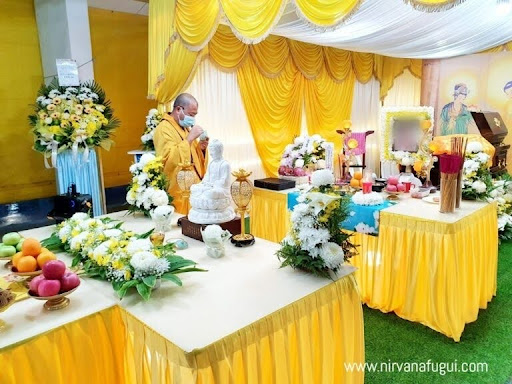
Buddhist wakes are often organised shortly after passing. Families may arrange:
- Monk chanting sessions
- Funeral altar setup
- Prayer offerings
- Memorial photo displays
- Cremation arrangements
- Vegetarian food offerings
- Candles and incense items
Wake durations commonly range from three to seven days depending on family traditions and preferences.
- Chanting Ceremonies Carry Deep Spiritual Meaning
Many Buddhist families arrange chanting ceremonies because they believe prayers can help bring peace and guide the deceased towards a favourable rebirth.
These ceremonies may involve:
- Sutra chanting by monks
- Family prayer participation
- Incense offerings
- Lotus candles
- Merit-making rituals
Visitors may also join prayer sessions throughout the wake.
- Different Buddhist Traditions May Follow Different Practices
Some Buddhist funeral customs vary depending on:
- Dialect group traditions
- Temple practices
- Family beliefs
- Preferred ceremonial arrangements
Some families prefer simpler wakes, while others may include more detailed rituals over several days.
Working with an experienced funeral provider helps ensure these customs are coordinated respectfully.
- Taoist Funeral Traditions Often Carry Generations Of Meaning
Taoist funerals are often rich in ceremonial practices and ancestral traditions. Many customs are believed to help guide and protect the deceased on their spiritual journey.
For families unfamiliar with Taoist funeral planning, the arrangements may initially feel more complex because many rituals follow symbolic meanings and traditional ceremonial steps.
- Taoist Funeral Arrangements
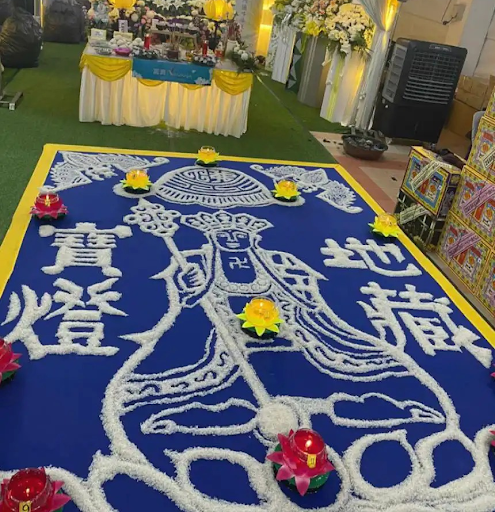
Taoist funeral services may involve:
- Taoist priest-led ceremonies
- Prayer chanting
- Cleansing rituals
- Traditional instruments and music
- Paper offerings
- Funeral altar arrangements
- Symbolic ceremonial items
Certain practices may also differ across dialect groups such as:
- Hokkien
- Cantonese
- Teochew
- Hakka
Because traditions can vary widely, many families seek guidance from funeral directors familiar with Taoist customs.
- Small Ritual Details Often Hold Important Symbolism
In Taoist funerals, even smaller ceremonial details may carry significant meaning.
This can include:
- The colour of mourning attire
- Placement of the altar
- Number of offerings prepared
- Directional positioning during rituals
- Timing of ceremonial prayers
These traditions are closely connected to ancestral respect and family heritage.
- Proper Coordination Helps Families Feel Less Overwhelmed
Because Taoist funerals may involve multiple ceremonial components, organised funeral planning can help families:
- Coordinate rituals properly
- Avoid missing important customs
- Manage ceremonial preparations smoothly
- Reduce last-minute uncertainty
- Focus more on supporting one another emotionally
- Christian Funeral Services Often Focus On Faith And Remembrance
Christian funeral services are usually centred around hope, prayer, worship, and celebrating the life of the departed.
While traditions may differ between denominations, many Christian funeral plans in Singapore include church services, scripture readings, worship songs, and family tributes.
- Christian Funeral Arrangements
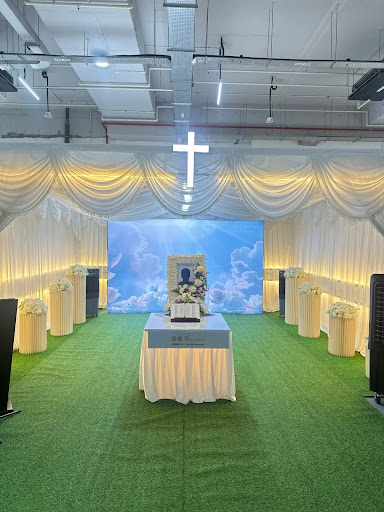
Christian funeral services commonly include:
- Church or chapel services
- Worship songs and hymns
- Bible scripture readings
- Prayer sessions
- Eulogies by loved ones
- Cremation or burial services
Some families prefer quieter and intimate gatherings, while others hold larger memorial services for extended relatives and friends.
- Personal Tributes Often Become Meaningful Moments
Many Christian families include personal touches such as:
- Photo memorial displays
- Video tributes
- Favourite worship songs
- Memory-sharing sessions
- Floral arrangements
These details help create a farewell that reflects the individual’s faith, personality, and relationships.
- Different Denominations May Follow Different Funeral Practices
Certain customs may vary depending on denomination and church traditions.
For example:
- Some churches may encourage burial while others accept cremation
- Prayer styles and service formats may differ
- Memorial services may be held separately after cremation
Working closely with both the church and funeral provider helps ensure arrangements align with the family’s wishes and beliefs.
During difficult moments, having an experienced funeral director can help ease the burden of planning. Nirvana Singapore is here to support you through Buddhist, Taoist, and Christian funeral arrangements whenever you need guidance.
Step 3: Plan The Wake And Funeral Setup
Once the religious direction is decided, families can begin planning the wake itself.
This stage often involves many smaller decisions that can feel overwhelming without proper support.
- Choose A Suitable Wake Venue
Families in Singapore may hold wakes at:
- Funeral parlours
- HDB void decks
- Private residences
- Religious venues
The choice often depends on:
- Religious requirements
- Family preferences
- Guest capacity
- Accessibility
- Budget considerations
- Arrange The Wake Setup Carefully
The wake setup may include:
- Funeral altars
- Floral arrangements
- Guest seating
- Prayer items
- Reception areas
- Memorial photo displays
Different religious traditions may also influence how the space is organised.
For example:
- Buddhist and Taoist wakes often include incense and offering tables
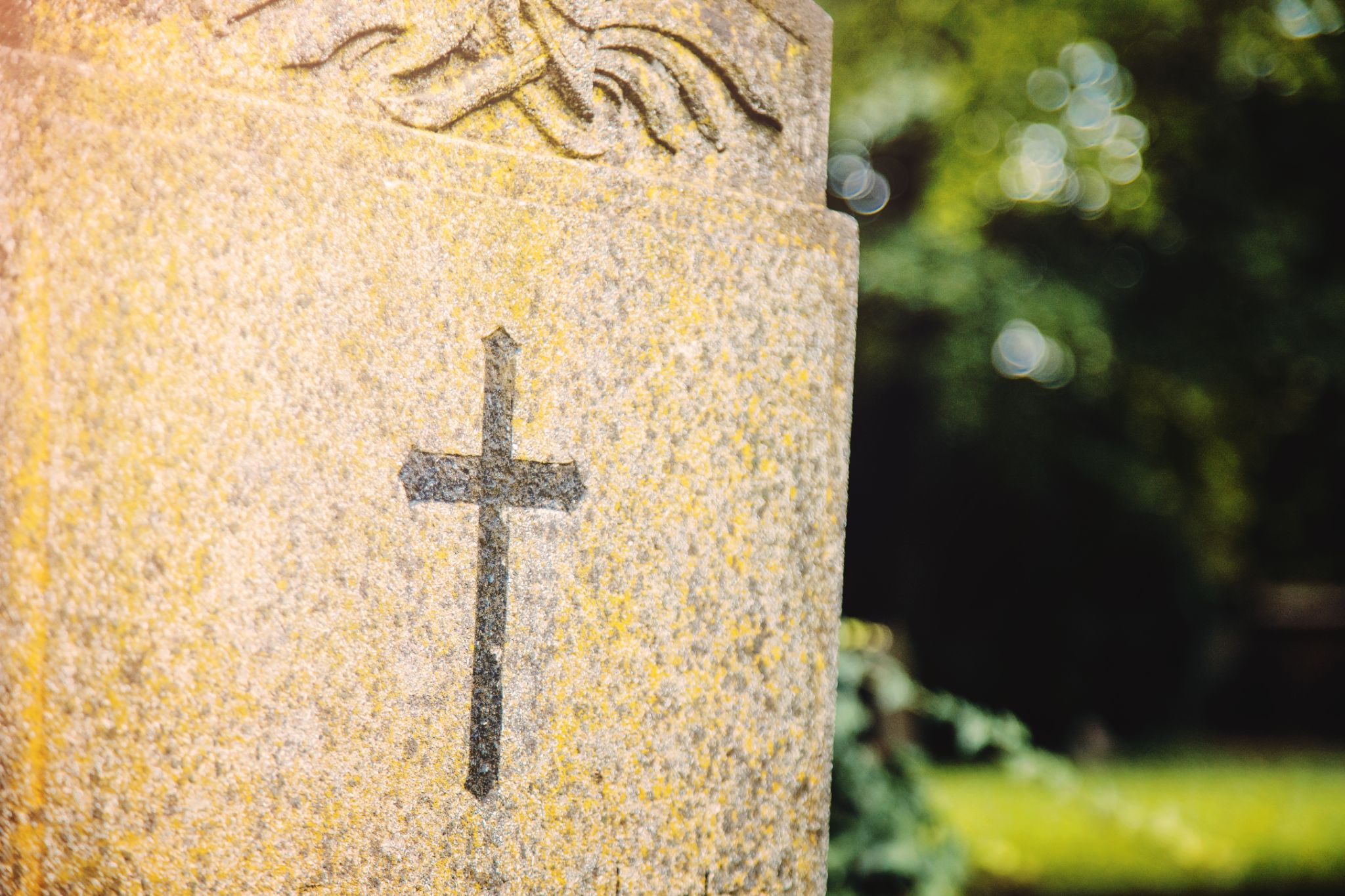
- Christian wakes may feature crosses, worship music, and floral displays
- Prepare For Prayer Sessions And Visitors
Throughout the wake, families may organise:
- Chanting ceremonies
- Night vigils
- Prayer services
- Guest refreshments
- Family remembrance sessions
This period allows relatives and friends to pay their respects while supporting the grieving family emotionally.
Step 4: Prepare For The Funeral Day
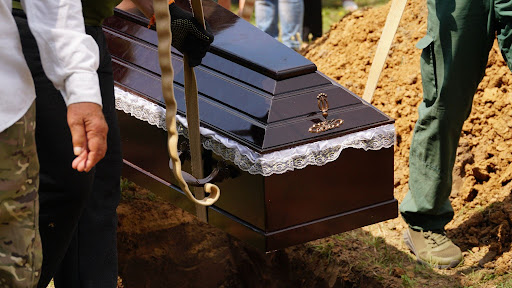
The final day of the funeral is usually when emotions feel strongest.
This stage may involve:
- Final prayers
- Funeral processions
- Cremation or burial services
- Farewell rituals
- Ash collection arrangements after cremation
Different religions may observe different customs during this stage.
- Buddhist Funeral Ceremonies Before Cremation
Monks may conduct chanting ceremonies before the cremation service begins. Family members may also offer incense and participate in final prayers together.
- Taoist Funeral Processions And Rituals
Some Taoist funerals may include:
- Ceremonial processions
- Symbolic offerings
- Ritual prayers
- Traditional ceremonial guidance believed to help the departed journey peacefully
- Christian Funeral Prayers And Farewell Services
Pastors or church leaders may conduct:
- Final scripture readings
- Worship songs
- Closing blessings
- Graveside or cremation prayers
For many families, these moments provide comfort, reflection, and emotional closure.
Step 5: Understand Post-Funeral Practices And Memorial Traditions
Remembrance usually continues after the funeral service itself.
Depending on religious traditions, some families may continue with:
- Memorial prayers
- Ash placement ceremonies
- Anniversary remembrance rituals
- Ongoing family gatherings
These practices often help families process grief while continuing to honour the memory of their loved one.
Funeral Planning Becomes Easier With Proper Guidance
No family wants to make difficult decisions while feeling uncertain or overwhelmed.
A clearer understanding of funeral planning steps, together with support from a reliable funeral director, can help make a difficult time feel more manageable.
Proper support helps ensure traditions are respected while allowing families the space to focus on remembrance and healing.
If you need help and guidance with funeral planning, Nirvana Singapore is here to guide you through funeral arrangements with care, compassion, and experience.