When a loved one passes on, even before families have time to process and mourn for a loved one, they are suddenly faced with many decisions, and one of the first decisions is to choose between a funeral parlour and a funeral home, choosing how they are laid to rest, bringing the deceased to peace.
While these terms are sometimes used interchangeably, they are not exactly the same. Understanding the difference between these two helps families make a choice that suits their emotional, cultural, and religious needs especially when arrangements may also involve traditions such as ancestral tablets and memorial rites.
What Is a Funeral Parlour?

A funeral parlour primarily focuses on the care and preparation of the deceased. Usually a funeral parlour handles the technical and physical aspects of post-death care, so they are usually only limited to preparing the deceased for the wake or final rites.
Their services typically includes:
- Collection and transportation of the body
- Embalming and body preparation
- Dressing and cosmetic services
- Temporary holding facilities
Collection and transportation of the deceased, funeral parlours requires the location of the deceased, usually from hospitals or home, funeral parlours need requires the exact location such as the hospital ward or house number , but before funeral parlours can move the body of the deceased, they require a death certificate or proof of death issued by a doctor, along with the NRIC or passport of the next of kin.
Embalming and body preparation, funeral parlours provide professional embalming services to preserve the body and ensure it is presented in a dignified condition for visitation or funeral services, this process involves sanitising, disinfecting and carefully preparing the deceased according to health regulations and family wishes, before embalming can be carried out, consent from the next of kin is required along with the necessary documentation such as the death certificate and identification details.
Dressing and cosmetic services, funeral parlours also assist in dressing the deceased in clothing provided by the family or selected attire, basic grooming and cosmetic application are performed to create a peaceful and natural appearance suitable for viewing, families may provide personal items such as glasses or jewellery if they wish them to be included.
Temporary holding facilities, funeral parlours require appropriate holding rooms to safely and respectfully house the deceased before the wake or final arrangements take place, these facilities must comply with hygiene and regulatory standards, and documentation including the death certificate and permit for burial or cremation must be completed before the body is released for the final service.
What Is a Funeral Home?
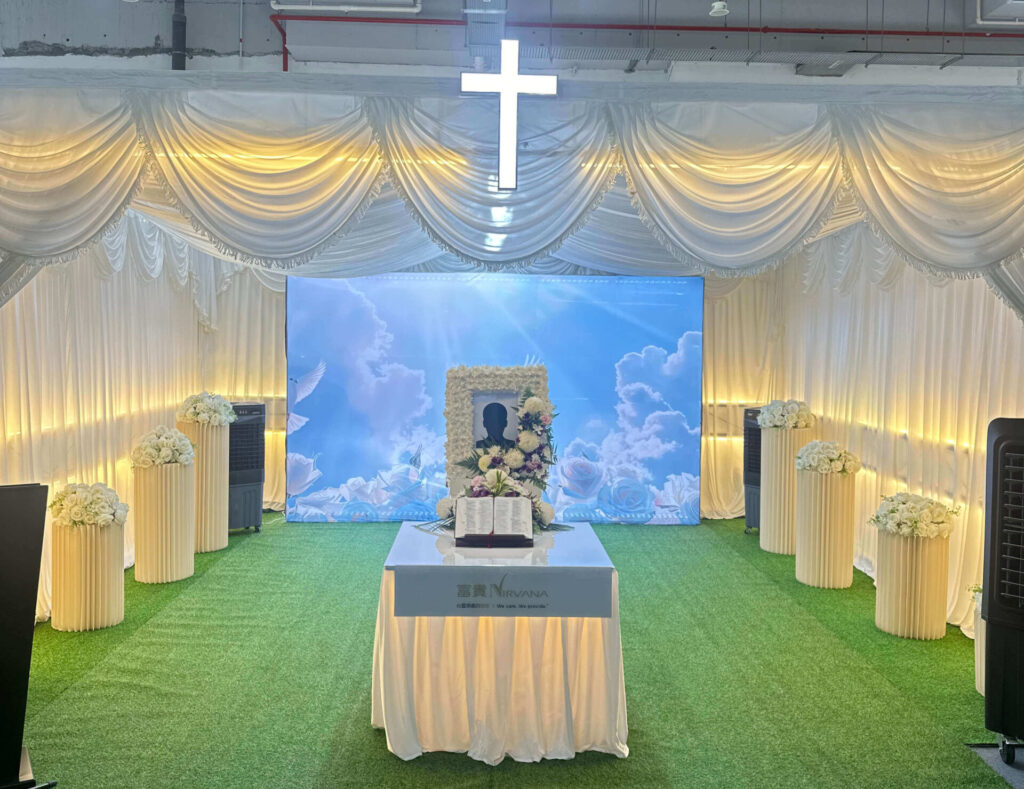
A funeral home, on the other hand, provides comprehensive funeral planning and support services on top of the services usually provided by funeral parlours, meaning that families can find all the services all in one spot instead of needing to find a dozen independent vendors.
This often includes:
- Wake setup and venue coordination
- Funeral ceremony planning
- Religious or cultural service arrangements
- Obituary coordination
- Cremation or burial arrangements
- Memorial planning, including placement of ancestral tablets
- Grief support and guidance for the family

Wake setup and venue coordination, funeral parlours can help in arranging the wake venue whether it is held at a void deck, funeral hall or private residence, this includes the setup of tables, chairs, lighting, backdrop, floral arrangements and photo displays, coordination with town councils or relevant authorities may also be required to secure permits and ensure compliance with local regulations.
Funeral ceremony planning, the planning of the sequence of events during the service such as eulogies, prayers, music selection and final respects, funeral parlours work closely with the family to confirm schedules, ensuring the ceremony proceeds smoothly.
Religious or cultural service arrangements, different faiths and traditions have specific rites and rituals that must be observed, funeral parlours will coordinate with priests, monks, pastors or other religious representatives to ensure all customs are properly carried out according to the family’s beliefs and practices.
Obituary coordination, funeral parlours may assist families in preparing and submitting obituary notices to newspapers or online platforms, this requires accurate details including the full name of the deceased, service information and family acknowledgements before publication.
Cremation or burial arrangements, arrangements must be made with crematoriums or cemeteries to secure a suitable date and time slot, necessary documentation such as the death certificate and permit for burial or cremation must be submitted before the final disposition can proceed.
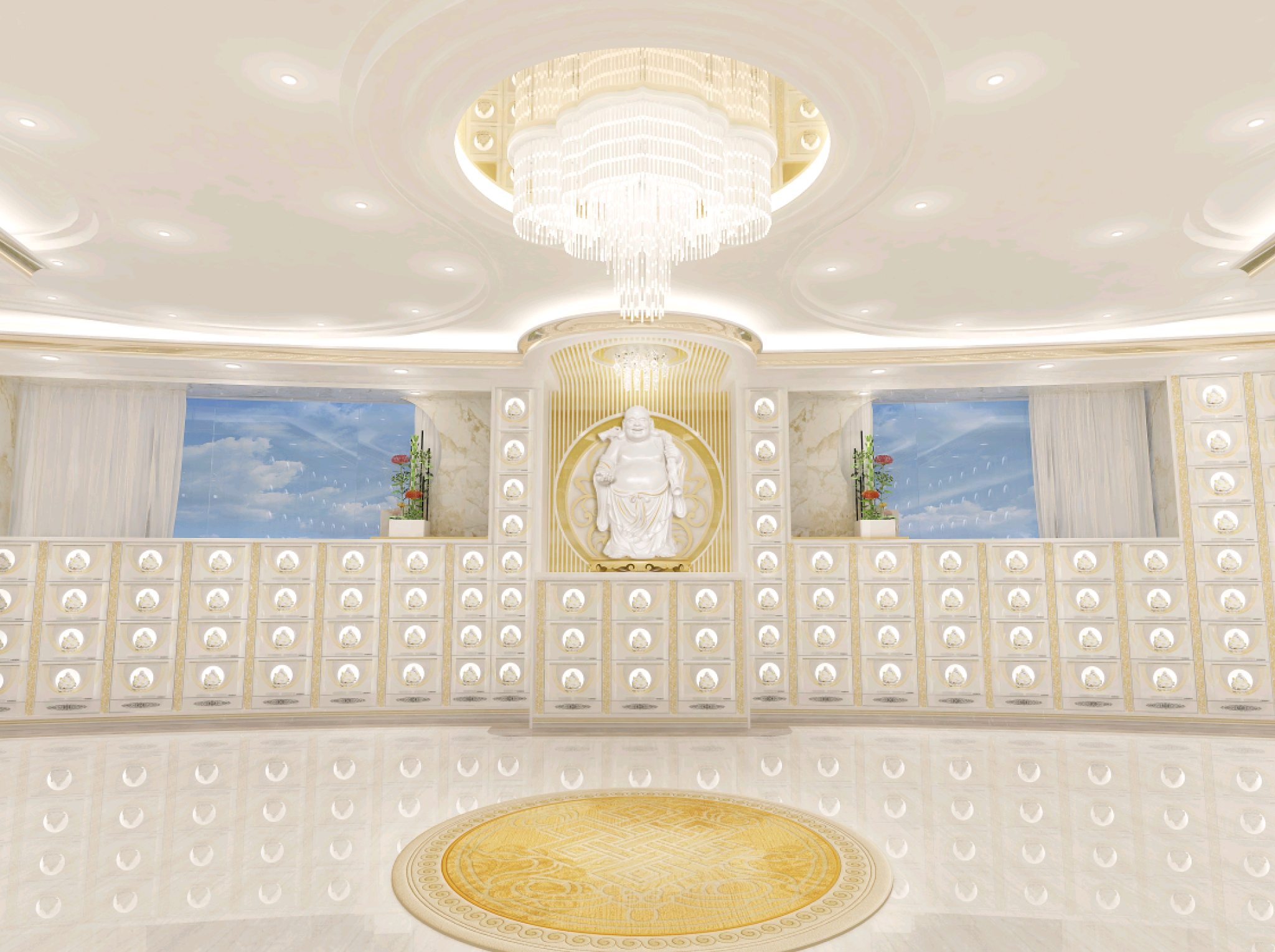
Memorial planning, including placement of ancestral tablets, some families require assistance with post-funeral memorial arrangements such as placing ancestral tablets in temples or columbariums, this involves coordinating inscription details, placement dates and any accompanying rituals.
Grief support and guidance for the family, beyond logistical arrangements, funeral parlours also provide emotional support and practical guidance to help families navigate documentation, customs and next steps during a difficult period, ensuring they feel supported throughout the entire process.
A funeral home acts as a full-service provider, guiding families through every stage of the process from the first call to post-funeral memorial matters.
For families observing traditional customs, especially within Taoist, Buddhist, or Chinese practices where ancestral tablets and memorial rites are important, a funeral home is typically better equipped to coordinate these details properly and respectfully.
Why Is It Important for Families to Pick the Right Option?
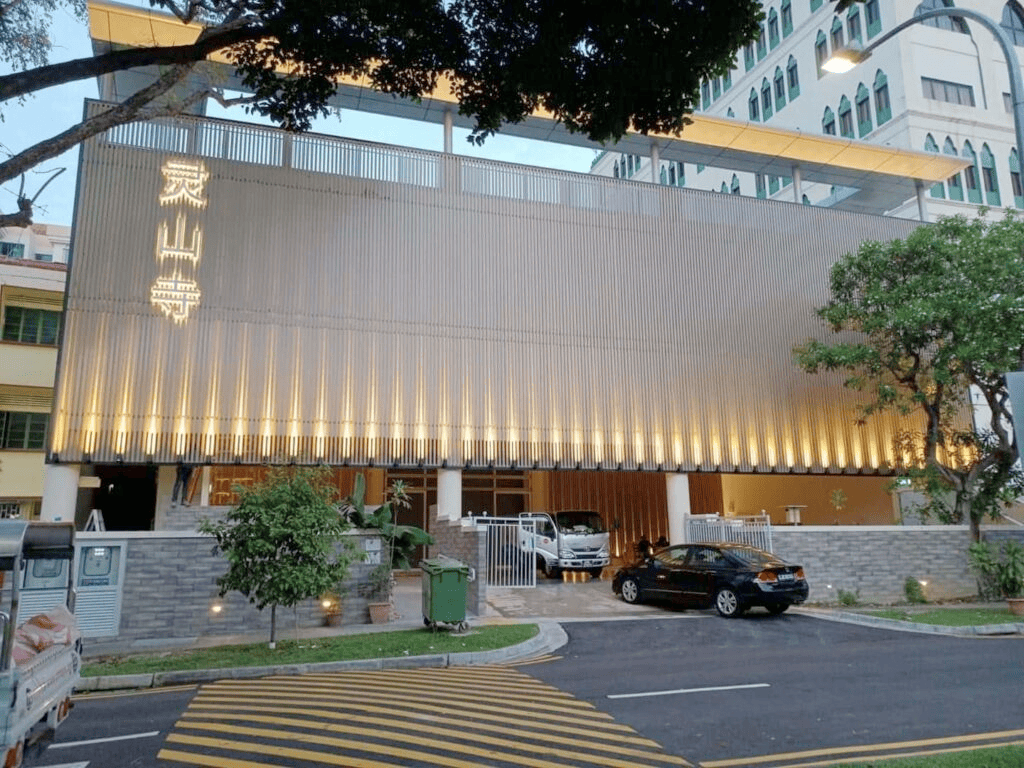
Funeral arrangements are not just logistical decisions, they are deeply emotional and cultural experiences.
Choosing the wrong provider can result in:
- Gaps in planning
- Last-minute coordination stress
- Miscommunication on religious practices
- Incomplete arrangements for memorial items such as ancestral tablets
- Additional unexpected costs
During a time of grief, families should not be managing vendors, paperwork, and ritual details alone. The right provider reduces stress, ensures traditions are respected, and allows families to focus on remembrance and closure.
How Do You Know You’re Picking the Right Funeral Service Provider?
Here are practical considerations:
1. Scope of Services
Does the provider handle only preparation, or full funeral coordination?
2. Experience With Religious and Cultural Traditions
If ancestral tablets, memorial halls, or specific rites are involved, does the provider have experience managing them properly?
3. Transparency in Pricing
Are packages clearly explained? Are there hidden charges?
4. Compassion and Communication
Do they guide you patiently through the process, or rush decisions?
5. Post-Funeral Support
Can they assist with columbarium arrangements, ancestral tablet placement, or ongoing memorial services?
The right funeral home should offer not just services but reassurance.
Choosing a Complete Funeral Service Provider

If you’re looking for a Funeral Home that covers every single aspect in a standard funeral and much more, Nirvana Singapore Memorial Garden will be your best choice.
From wake arrangements and ceremony planning to columbarium niches and ancestral tablets, Nirvana Singapore provides comprehensive memorial solutions in a serene and professionally managed environment, supporting a wide array of religions.
Making the right choice between a funeral parlour and a funeral home ensures that your loved one is honoured properly, your traditions are respected, and your family receives the support it truly needs during a difficult time.