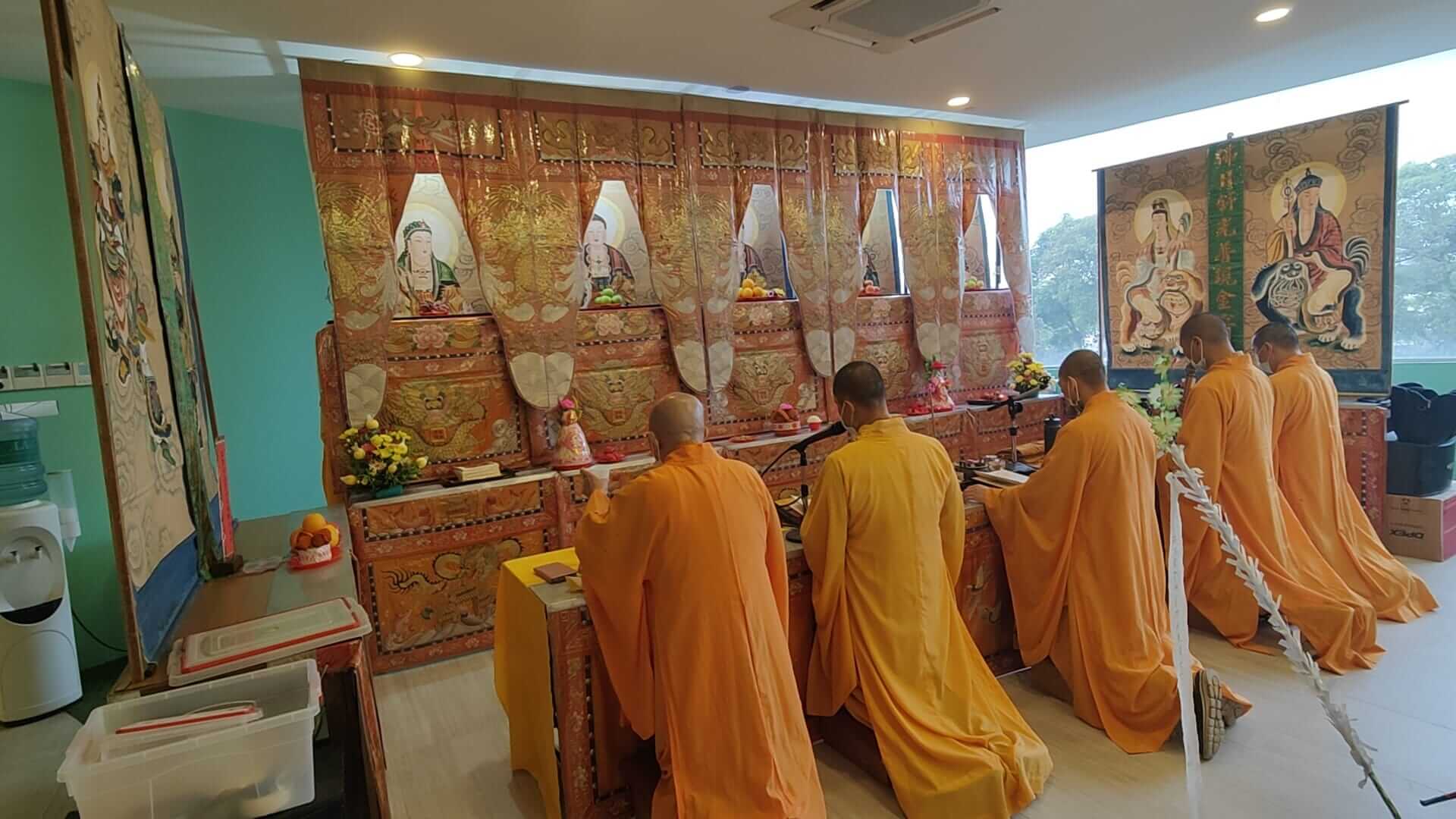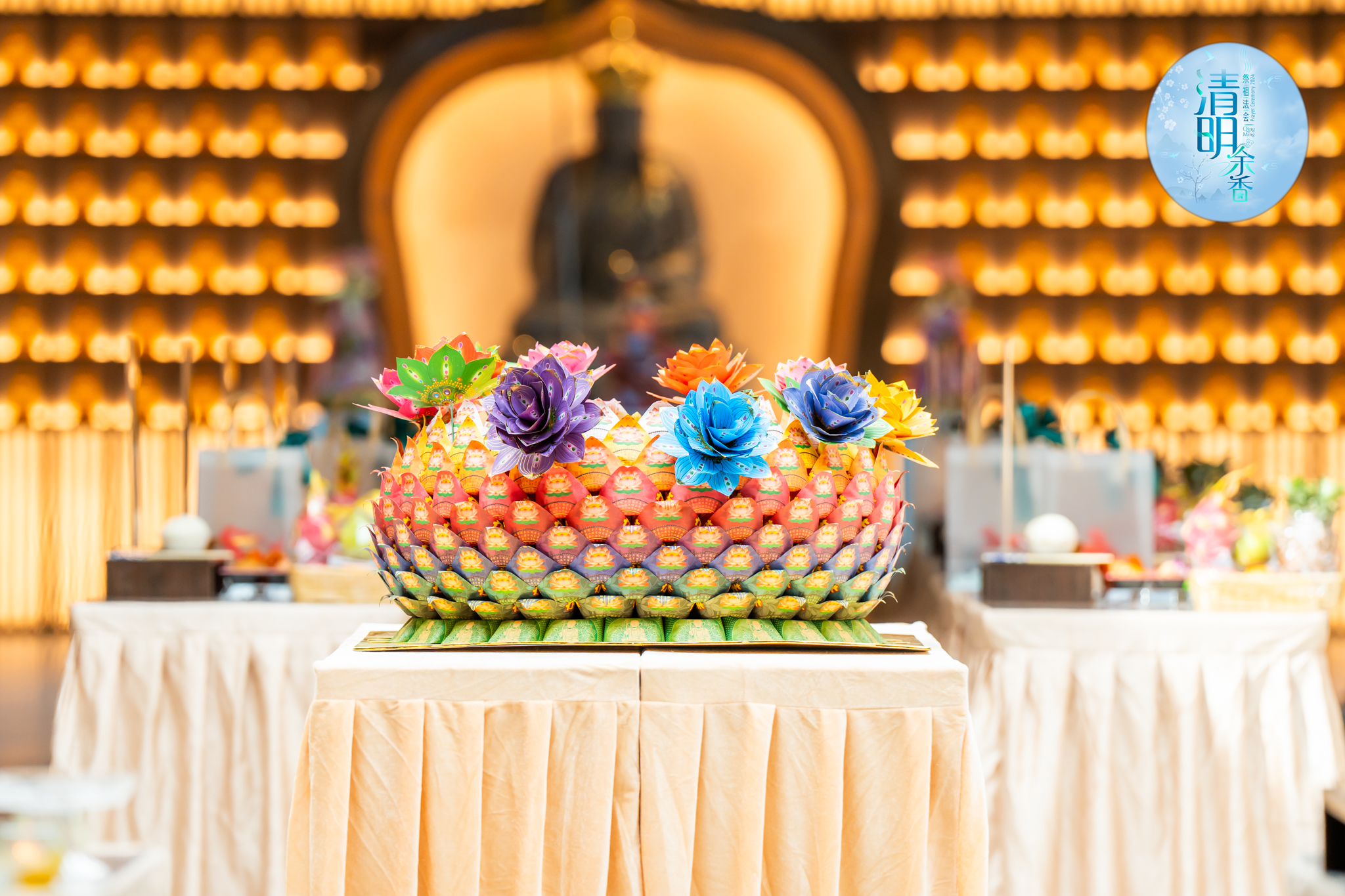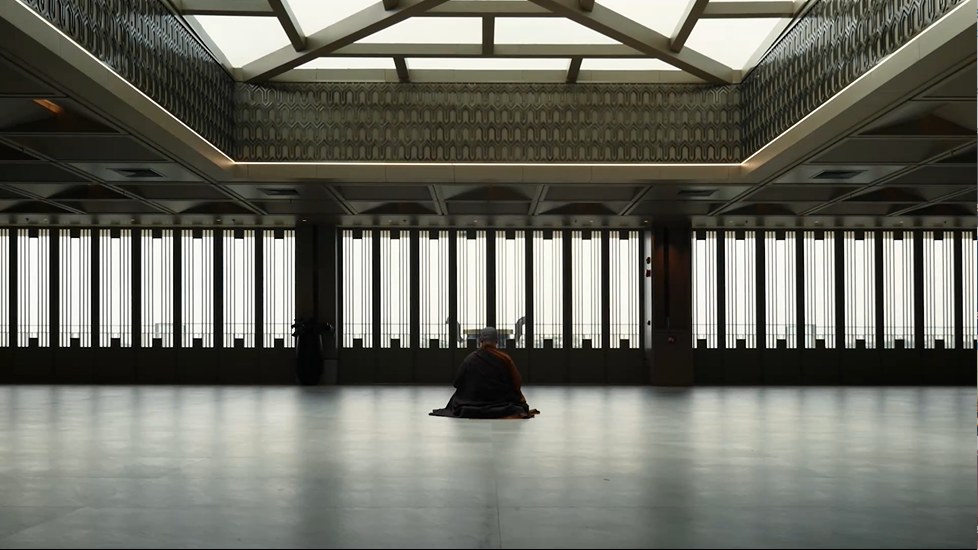
中元开悟仪式
通过我们贴心的启蒙法会配套,表达对逝去亲人的感恩与谨慎,助他们往生解脱与转世。我们提供悉心的支持,让您安心无忧。
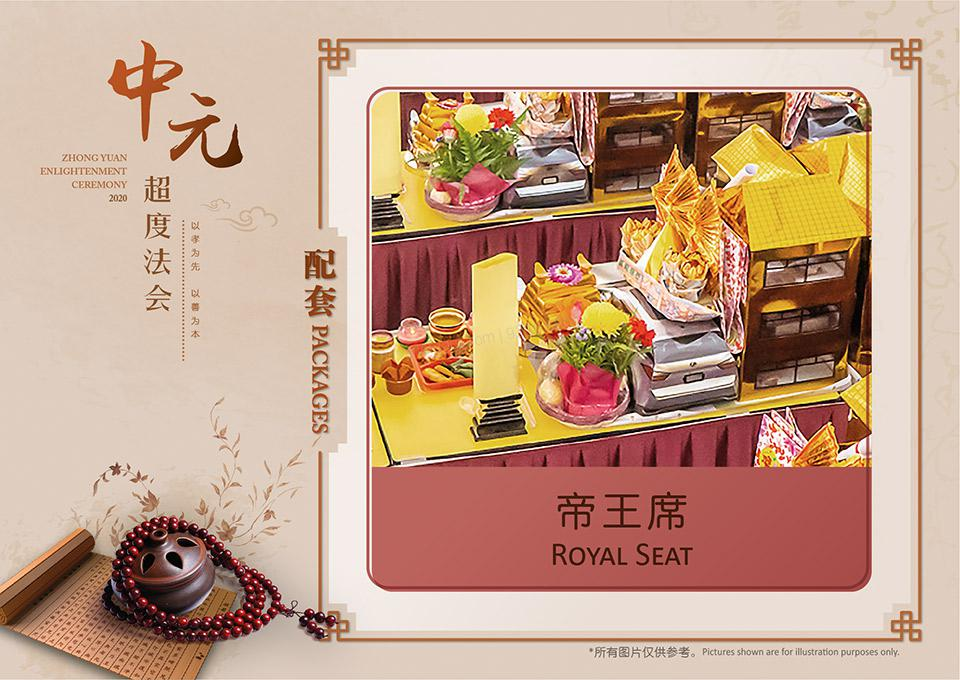
帝王席配套
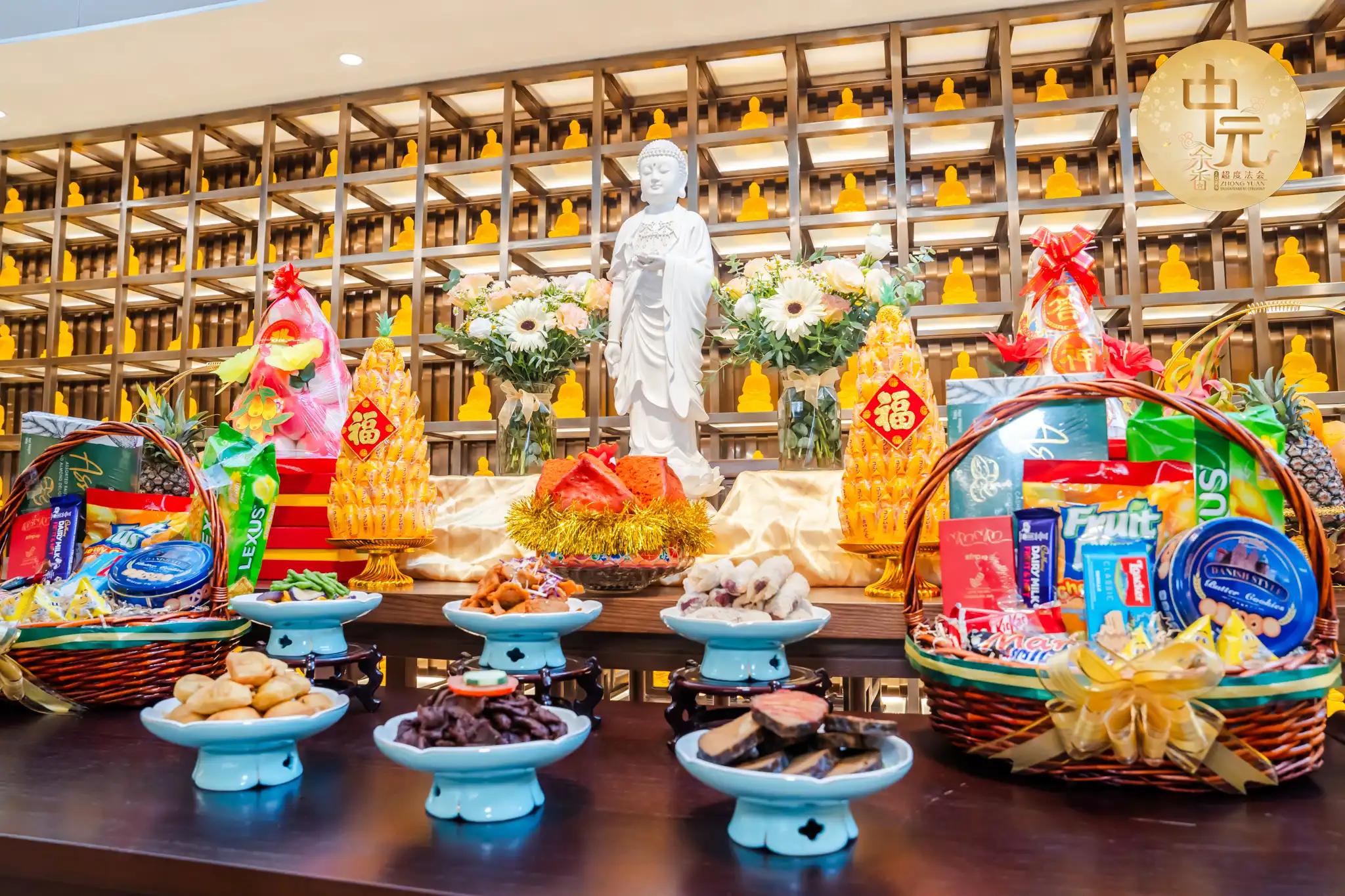
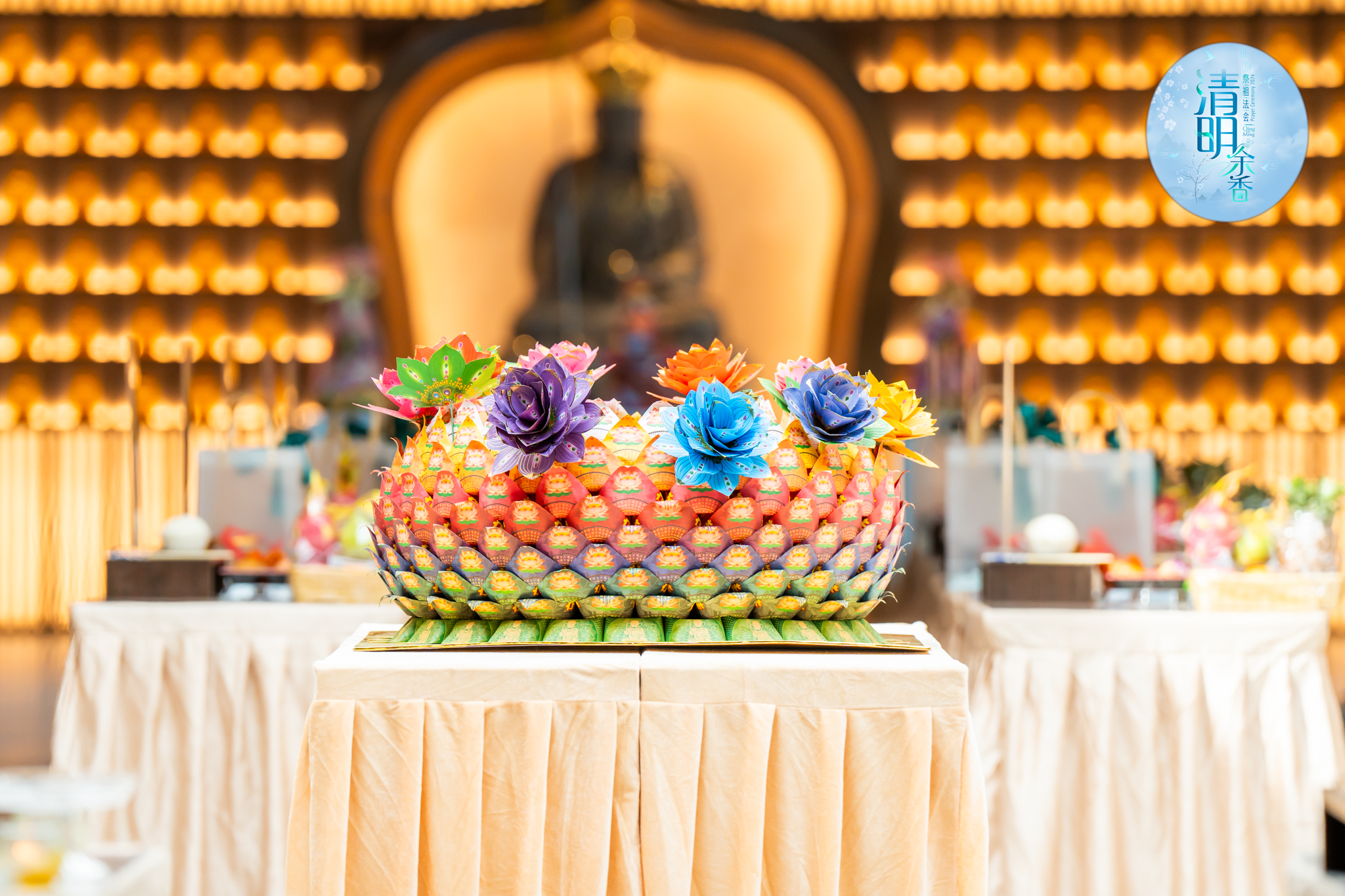
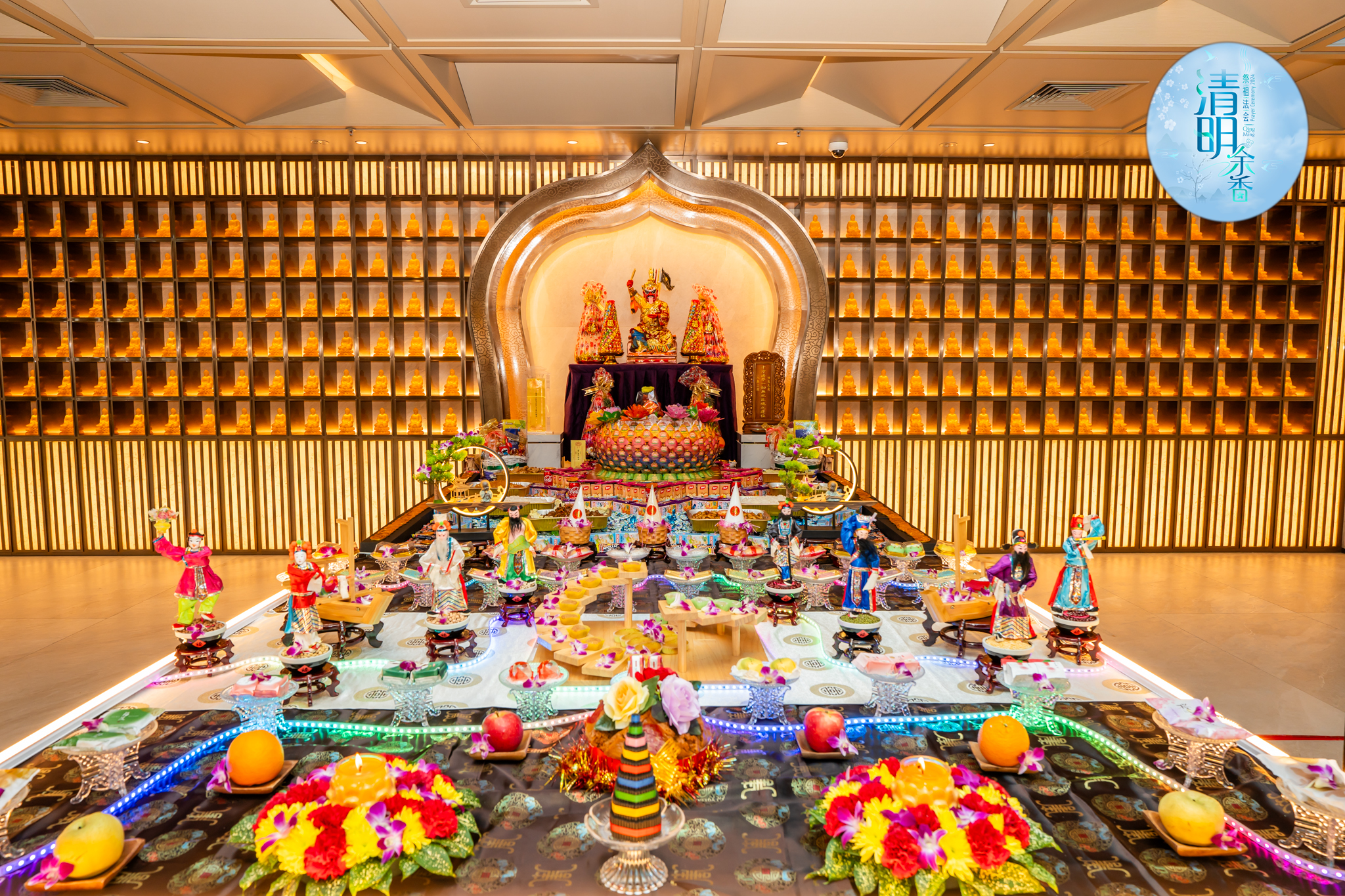
通过这款尊贵的桌式祭祀套餐,向您的祖先致敬。配套包括两块独特的莲位牌位、新鲜花卉、水果、六支香烛以及高品质纸制祭品。引导祖先前往佛土净土,同时为您的家庭带来福佑与宁静。
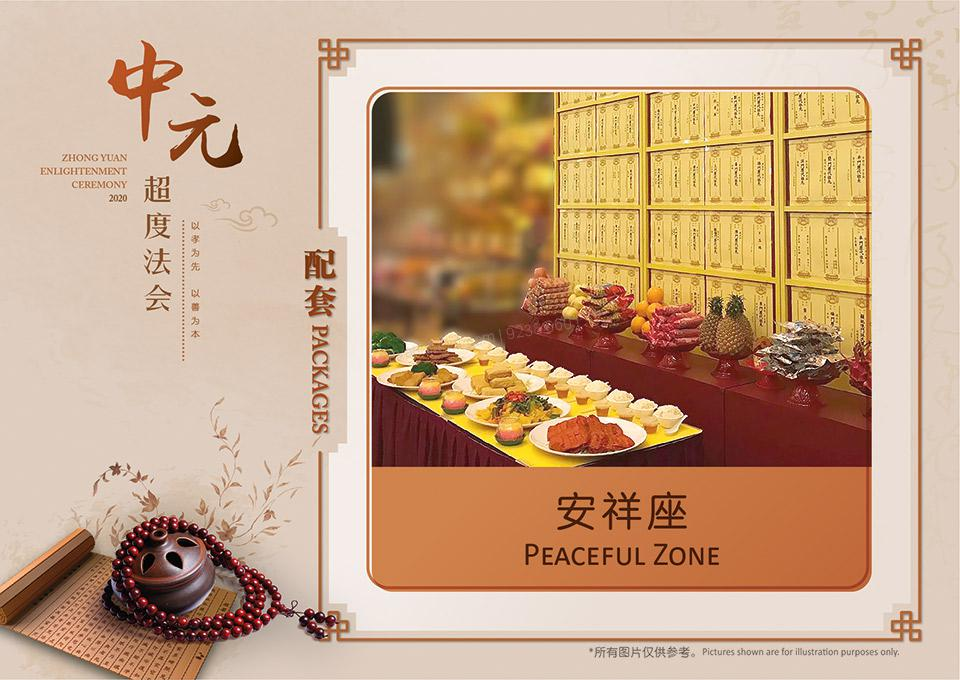
安祥配套
选择安祥座配套,为您的祖先献上平和的祭奠。该套餐位于佛坛前,包含一块大型莲位牌及六份素食和水果供品,助您的祖先接受祝福,安享永恒宁静。
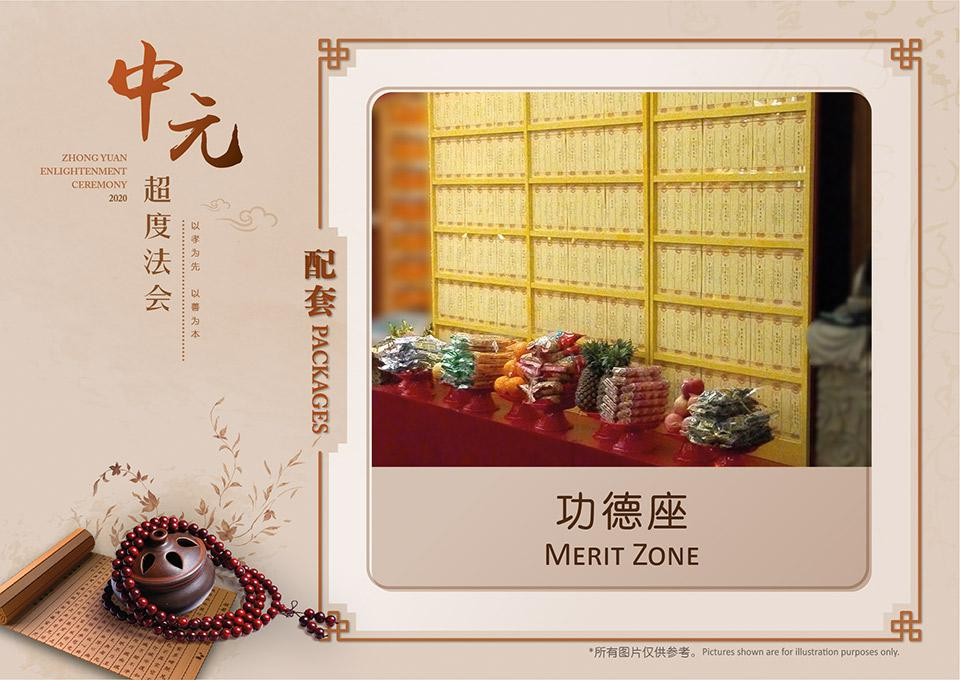
功德配套
通过功德座配套支持您祖先的灵性旅程。该配套位于佛坛侧墙,包含一块中型莲位牌以及六份素食和水果供品,助他们迈向智慧与宁静。
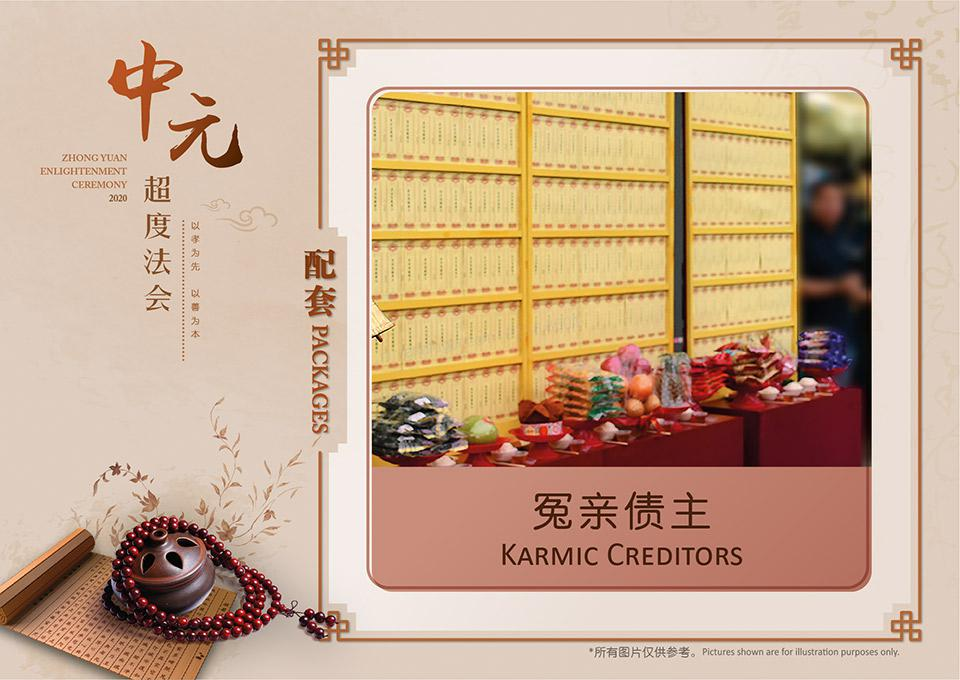
冤亲债主配套
通过一场旨在带来平衡与解脱的转化供养仪式(Puja),化解纠缠不清的业力牵绊。此法会帮助您及家人消除过去的纠葛,促进内心的安宁与幸福。
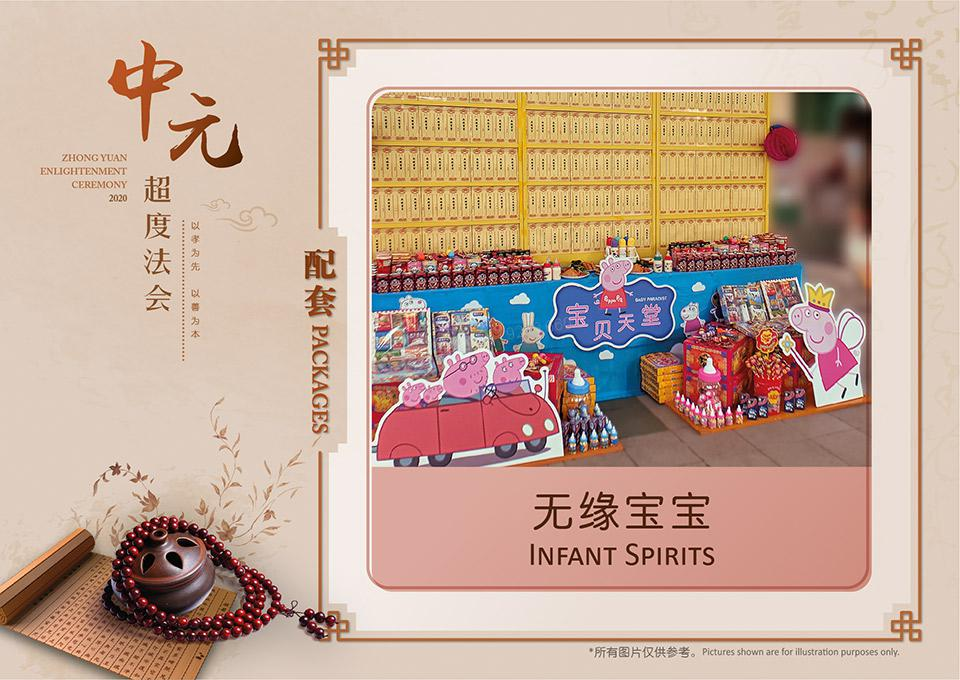
无缘宝宝配套
通过祈请地藏菩萨,为婴灵献上慈悲祈福。此法会温柔化解冤结,引导他们往生净土,为您的家庭带来安慰与疗愈。
UPDATES
中元开悟仪式活动
Held annually from 9th to 11th August at Nirvana Memorial Garden, this ceremony embodies filial piety and compassion. Through meritorious deeds, we honour the deceased, guiding them towards a better rebirth, while offering prayers for the well-being and harmony of the living.
Read More灵山寺图片画廊
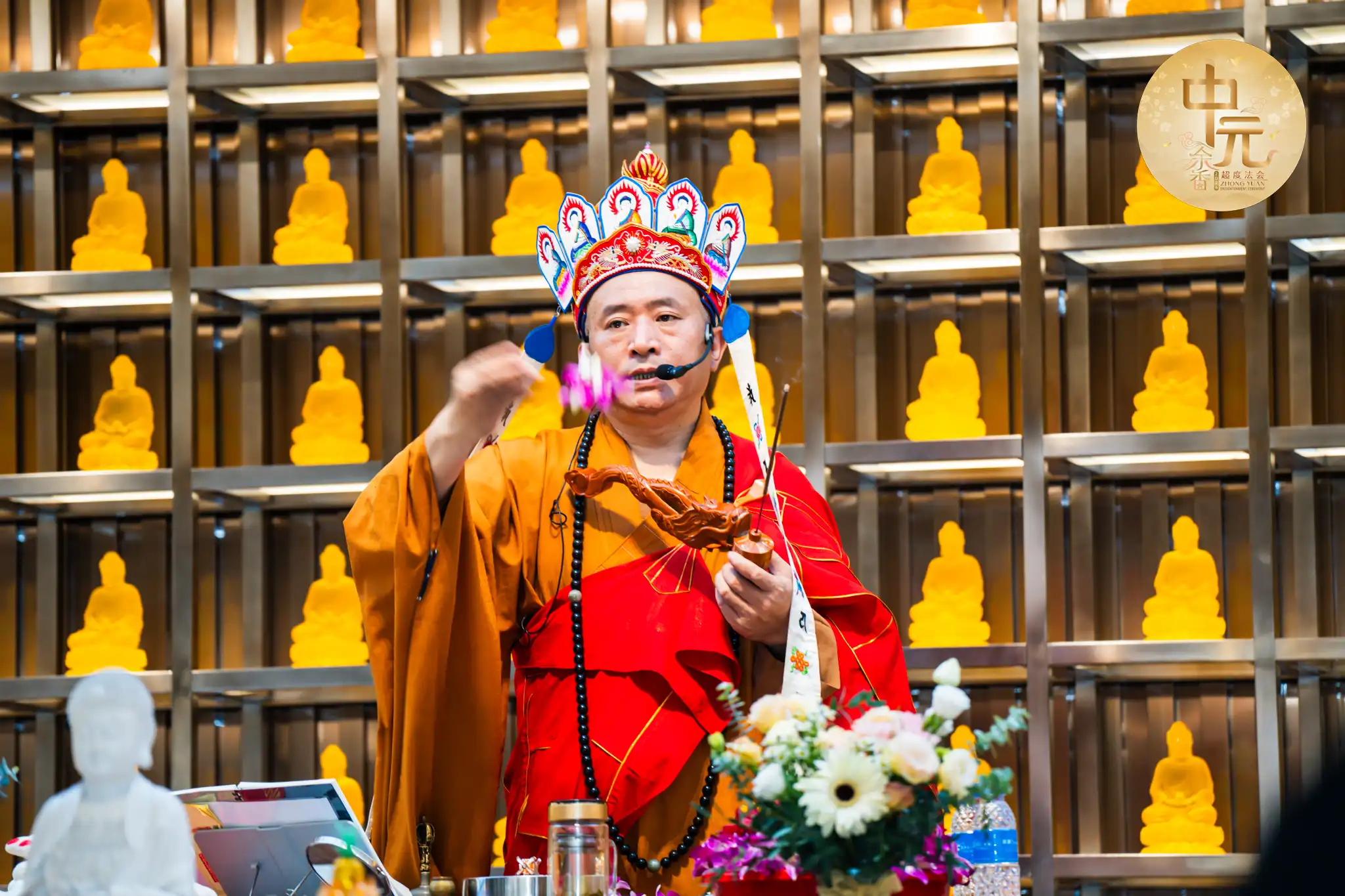
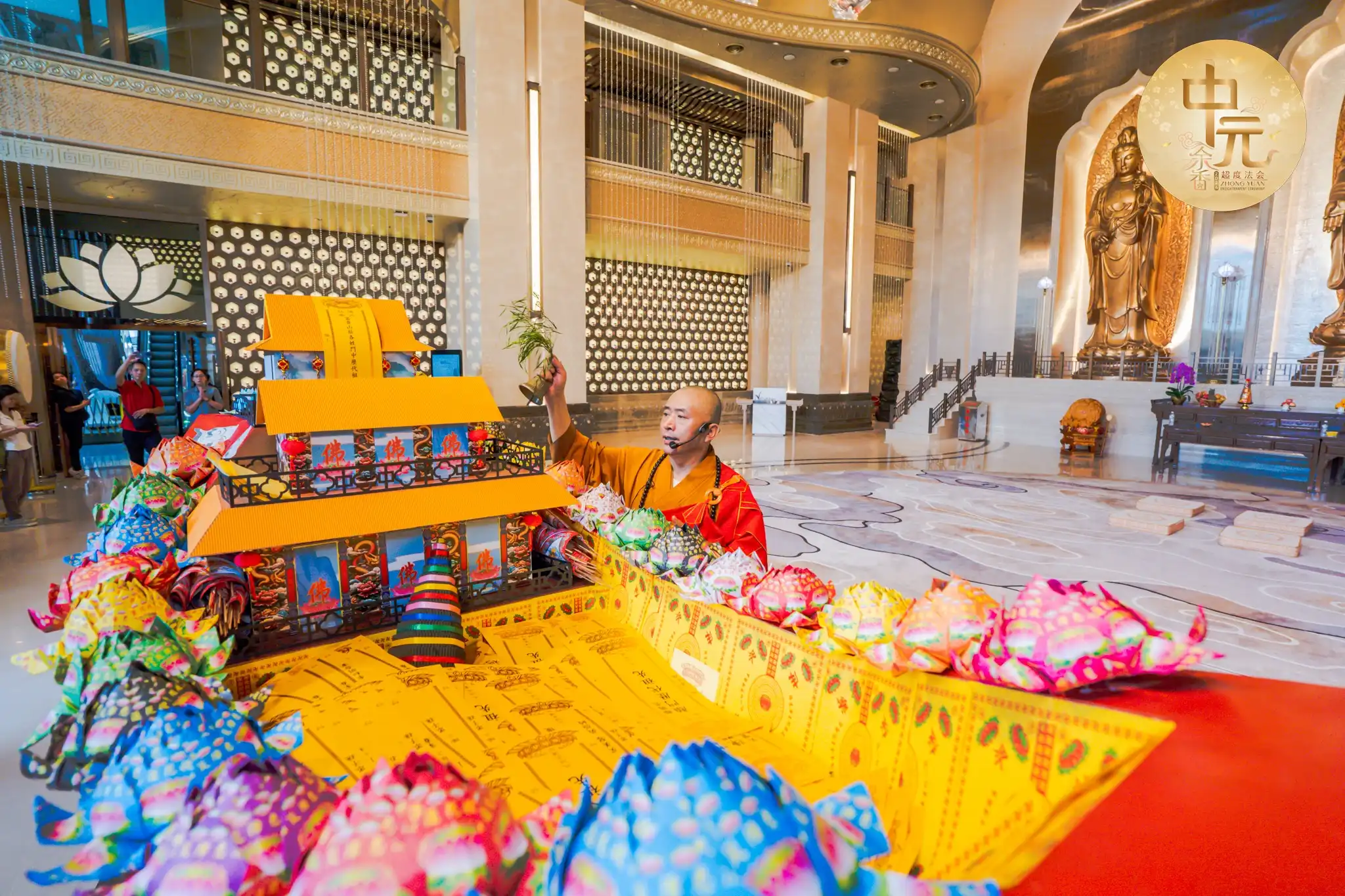
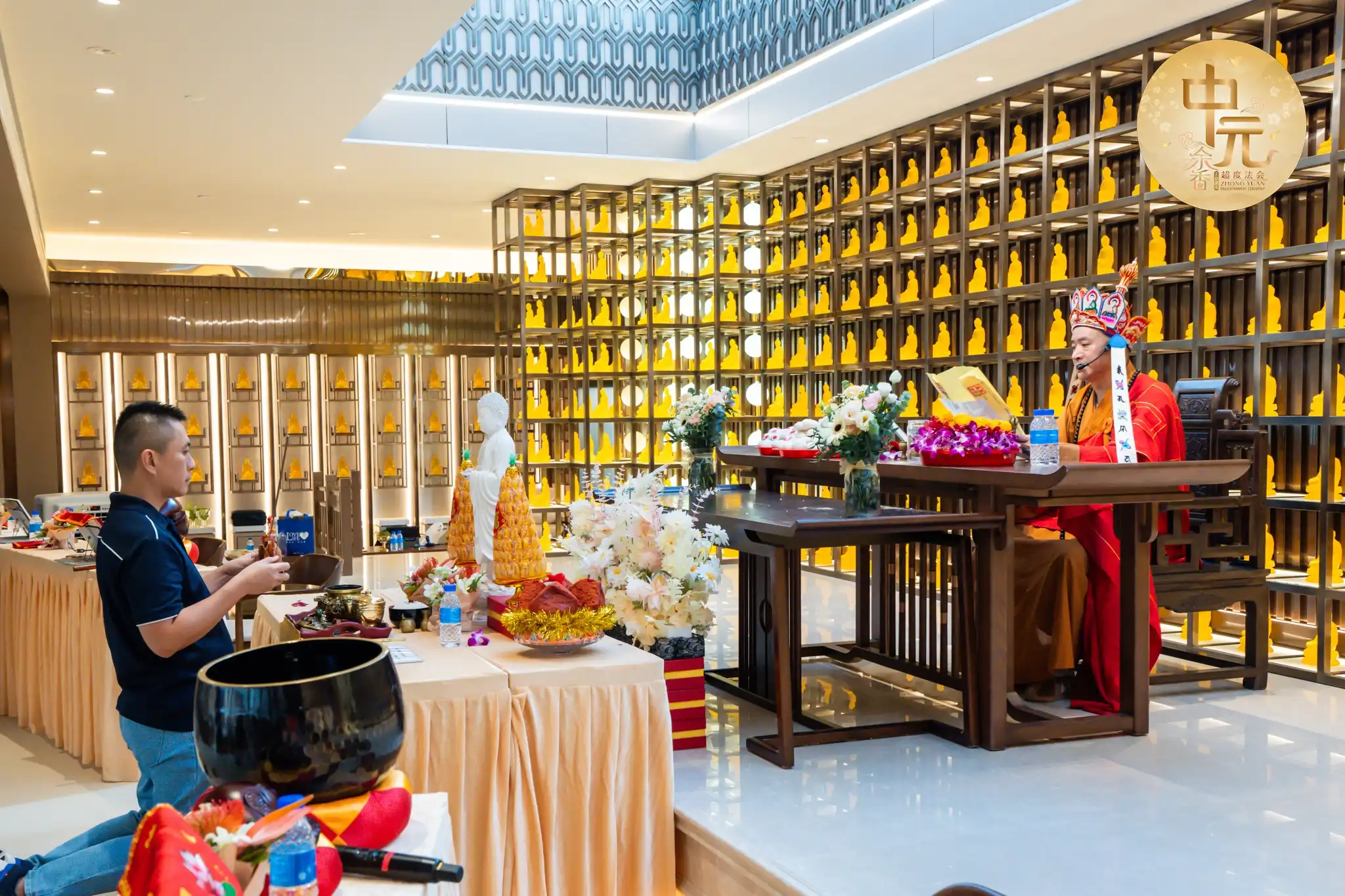
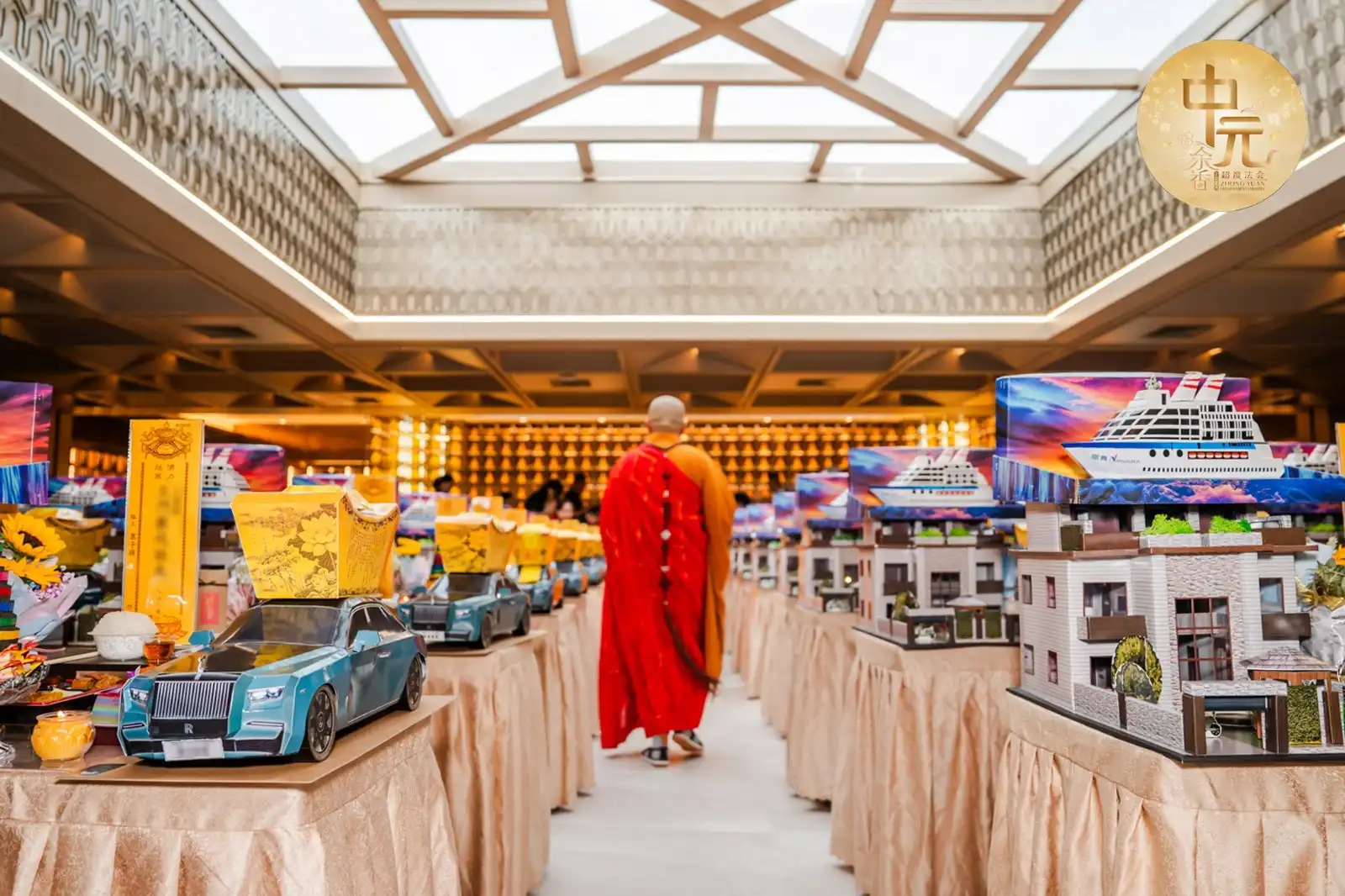
Enlightenment Ceremony Gallery

Frequently Asked Questions
Enlightenment ceremonies are sometimes known as particular burial services, Zhong-Yuan rituals or Ullambana rites. Monks lead religious rituals like confession, offerings, chanting and scripture recitation at this event. Its main goal is to acquire vast spiritual merit and dedicate it to all beings in order to heal their suffering, ease their karmic burdens and bring them peace or a more favourable rebirth.
The ceremony brings blessings to both the departed and the living. It may be dedicated to:
-Those who have recently passed away
-Ancestors who left this world long ago
-Infant or unborn spirits
-Cherished pets, as well as any unseen karma connections since compassion in these rites extends without bounds
No, even while the ritual may focus on aiding the deceased, there are significant advantages for the living as well. It includes hearing the Dharma and experiencing deeper peace of mind, enhanced well-being, protection from challenges and increased compassion.
These ceremonies can be conducted at any time and large public observances are typically conducted once a year and most commonly during the seventh lunar month. It’s also known as the Zhong Yuan Festival or Ullambana. Private rites may follow traditional death cycles, such as every seven days and up to the 49th day.
Yes, non-Buddhists are generally welcome to attend. It is appropriate to call ahead to confirm if visitors are welcome at a specific observance.
Common offerings include incense, flowers and candles, symbolizing respect and the impermanence of life. It is also customary to provide vegetarian meals during the mourning period.
The ceremony includes a range of traditional and religious belief:
– Chanting Buddhist sutras and prayers often led by respected monks or masters.
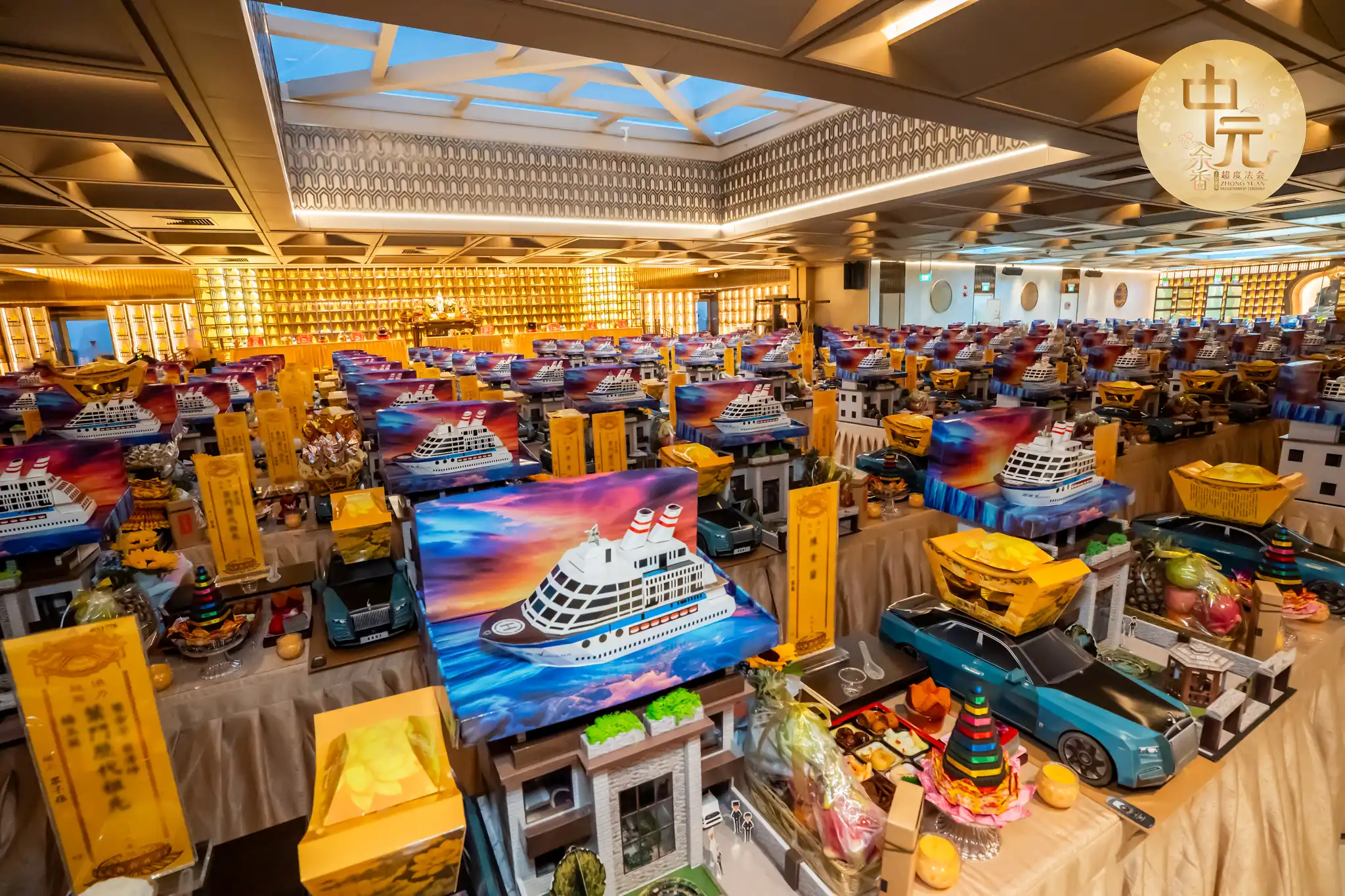
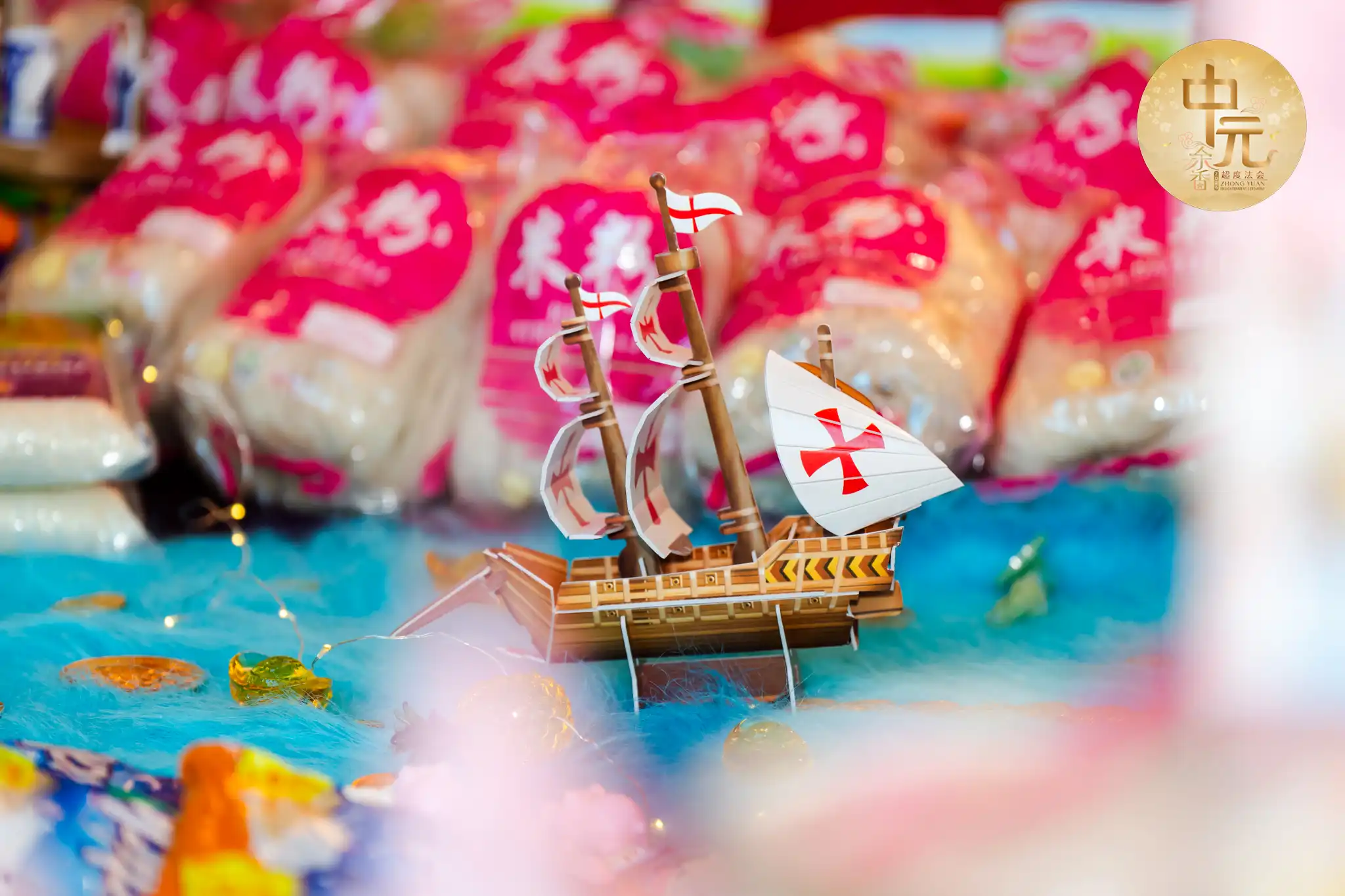
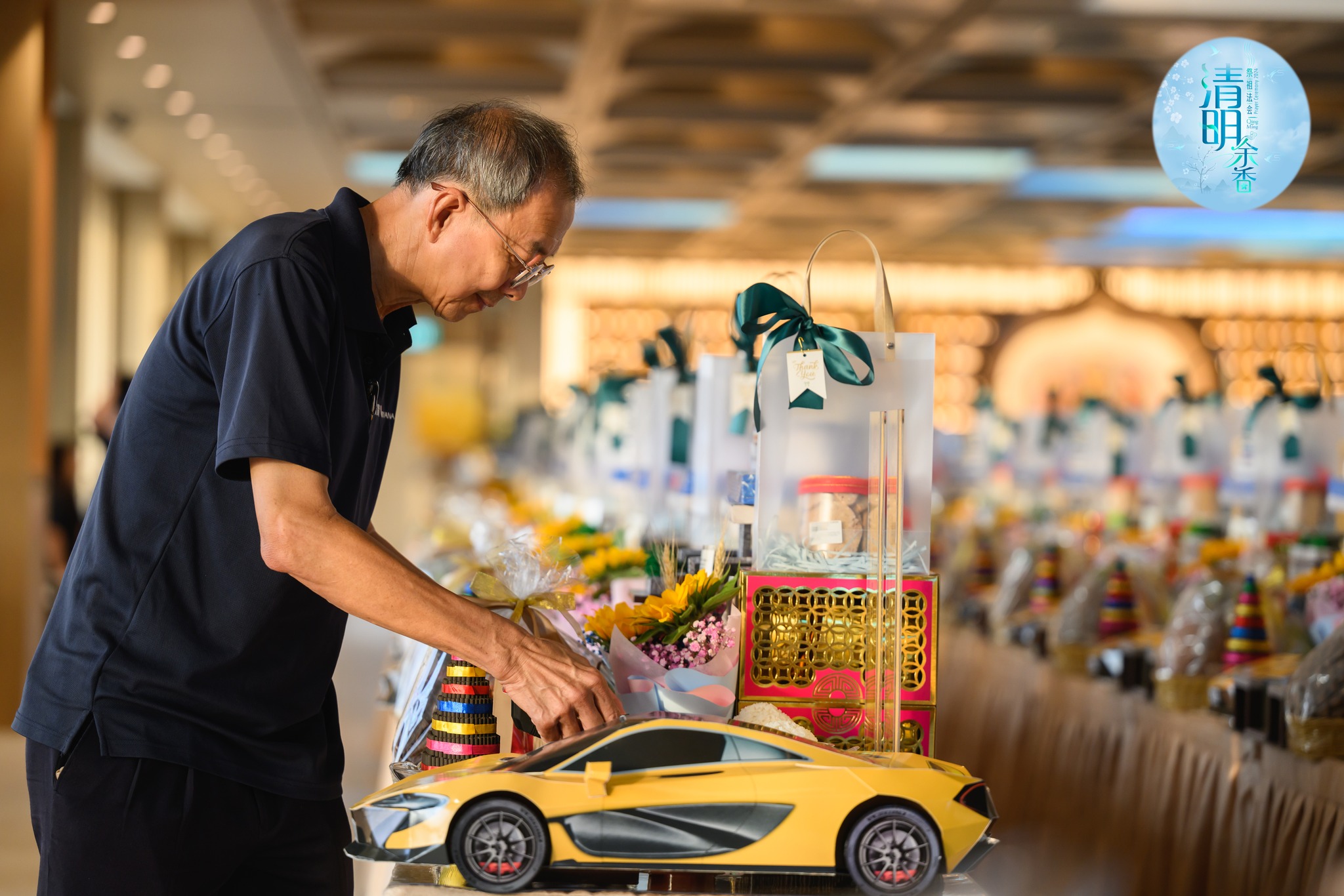
– Making offerings of food, incense, joss paper and symbolic items (such as paper houses or cars) for the deceased to use in the afterlife.
– Performing merit dedication rituals and light offerings.
– Honoring and placating spirits through festive activities, including traditional opera or modern “getai” performances.
– Conducting auctions for auspicious items, believed to bring wealth and prosperity to the participants.