灵山寺
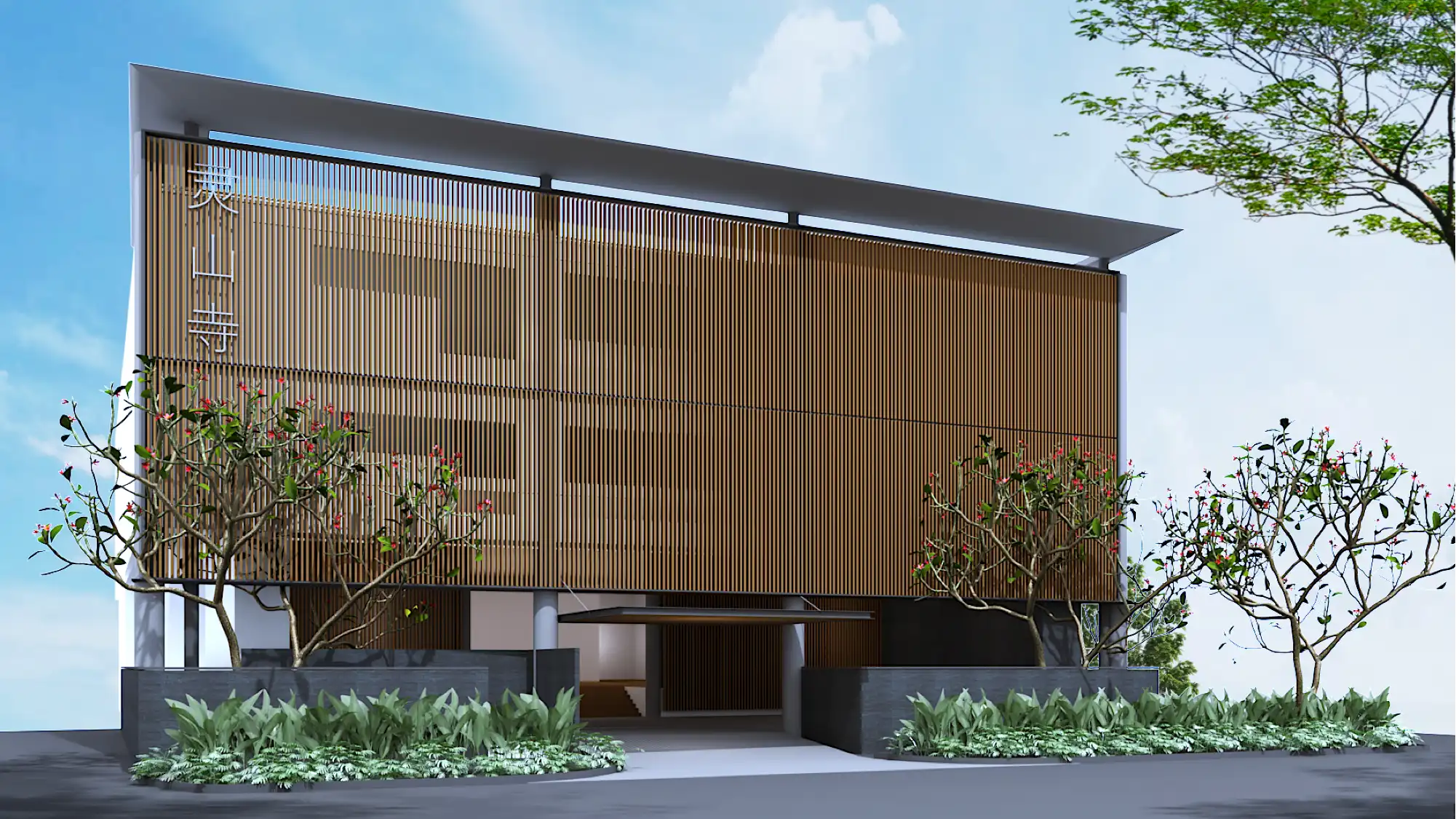
灵山寺是一座全空调佛教寺庙,提供永久产权的骨灰龛位及祖先牌位。寺庙占地三层楼,营造宁静祥和的空间,供信众祈祷、沉思和追思。
灵山寺的起源
灵山寺是由广东客家常恒师父创建。1960年代瑞祥师父圆寂后,常恒师师和明真师父接任寺务,1973年由常恒师师主持重建寺庙。
在常恒师父的带领下,寺庙的兴旺吸引了众多信众,并举办由来访僧侣主持的佛学讲座。灵山寺也致力于慈善事业,积极支持儿童教育、老人关怀和孤儿院的工作。
灵山寺的重建历史
2003年,由于周边施工影响寺庙地基,出于安全考量,灵山寺被拆除。尽管在重建过程中面临经费短缺和多次延误,重建林散寺始终是常恒师父的心愿。经过多年努力,灵山寺终于在2020年12月完成重建,重现昔日庄严风貌。
Lin San Temple Building and Layout
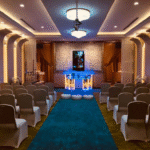
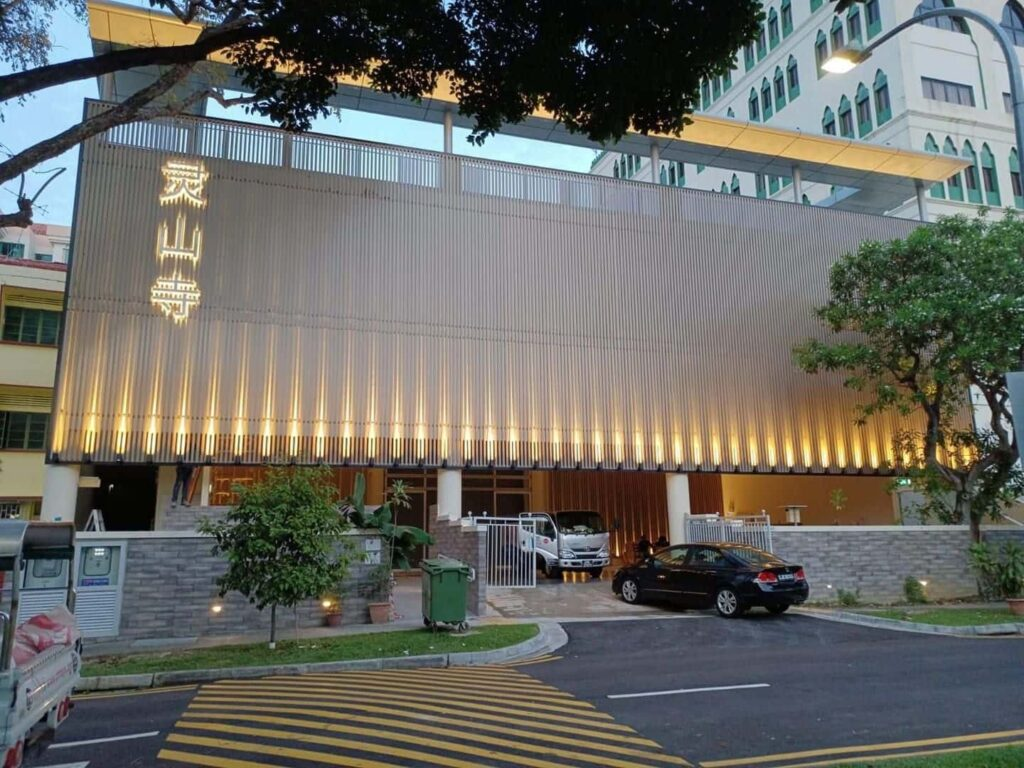
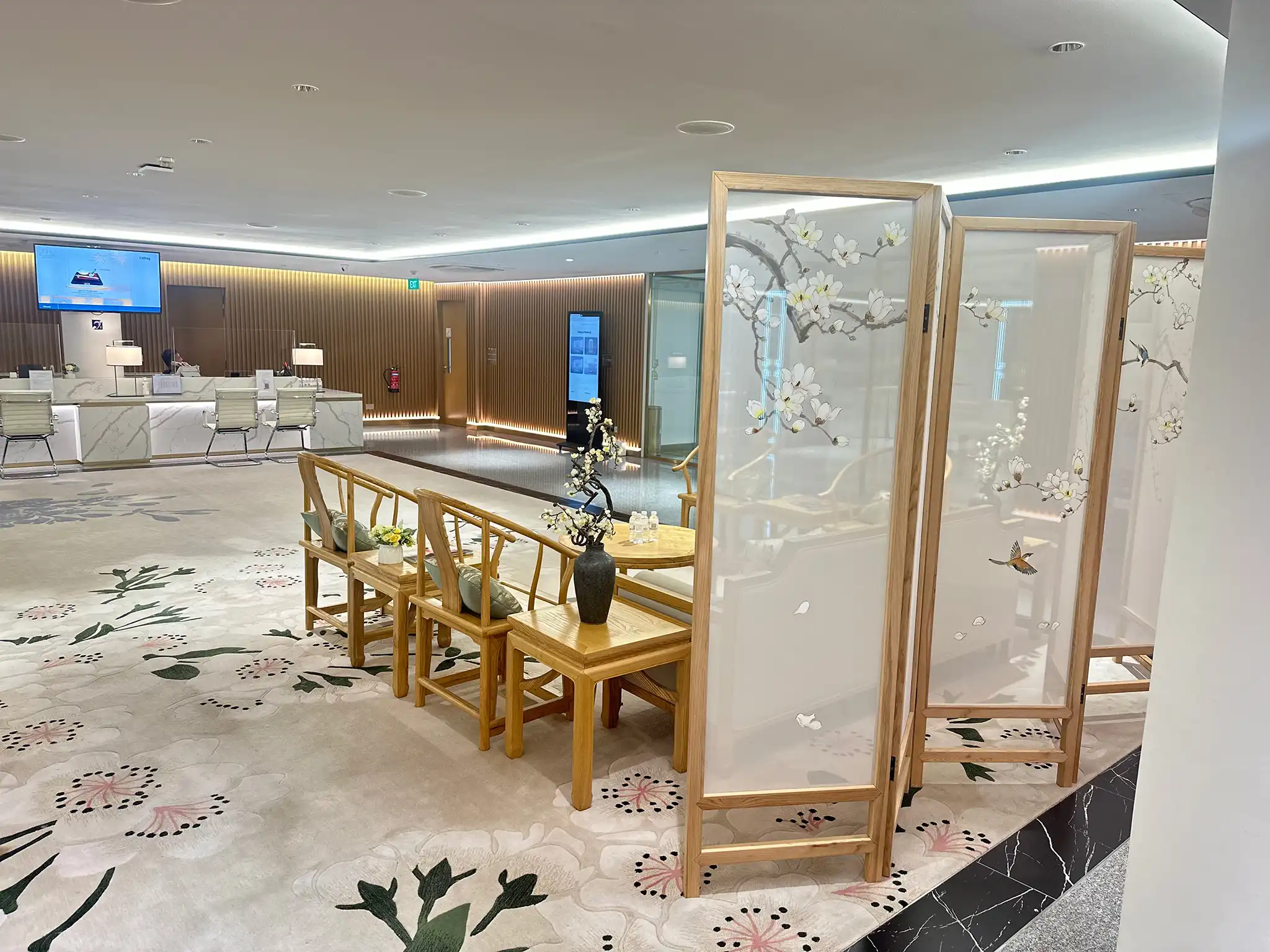
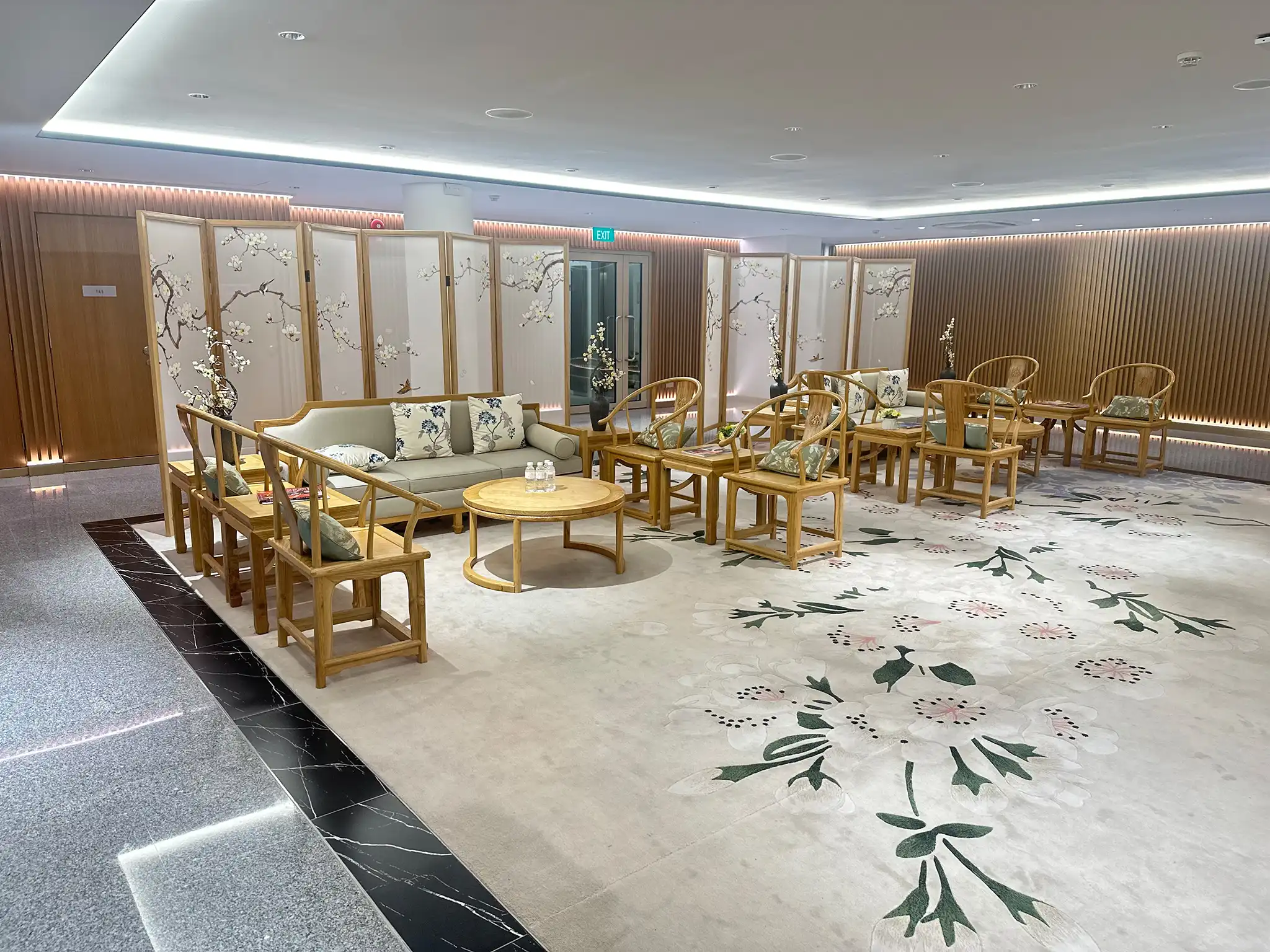
灵山寺经过悉心重建,全面安装冷气设备,为家属与亲友提供一个宁静、舒适的环境,以缅怀故去者。整座寺庙共三层,其中一楼和二楼设有庄严宏伟的大雄宝殿,殿内挑高设计,空间宽敞,气氛庄重肃穆。
三楼为未来扩建预留空间,规划增设骨灰龛位与祖先神主牌位,以满足日后需求。
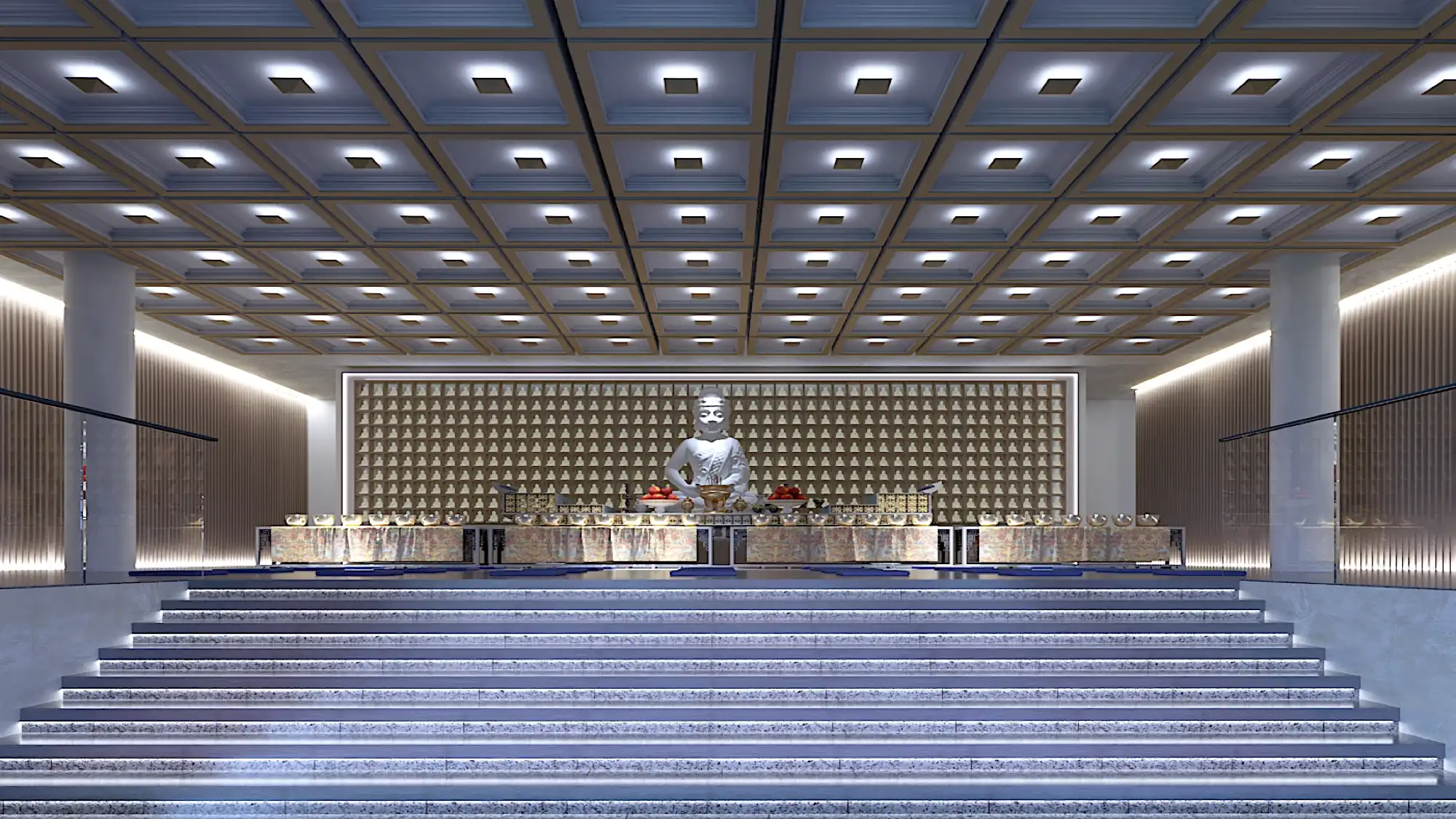
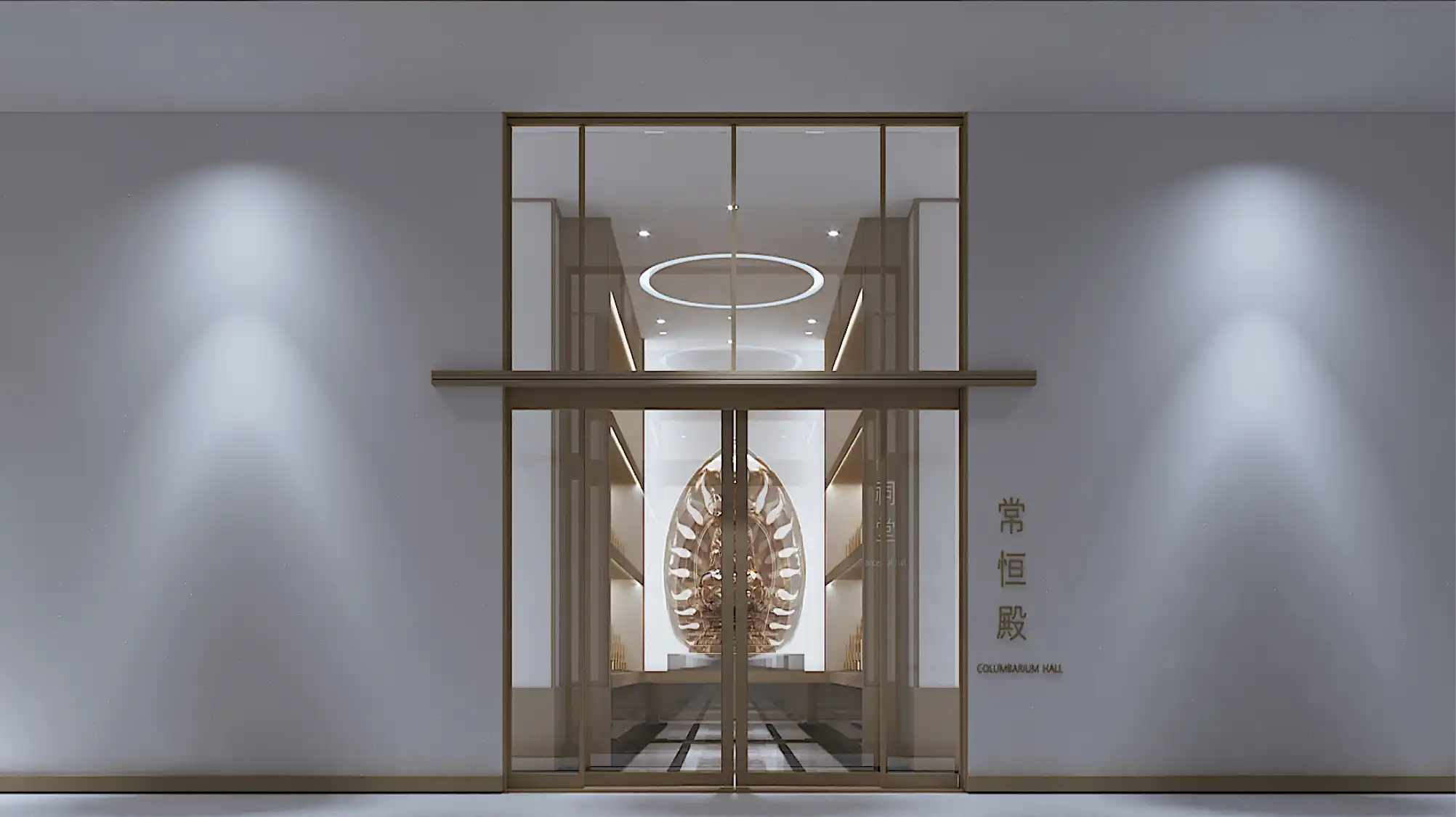
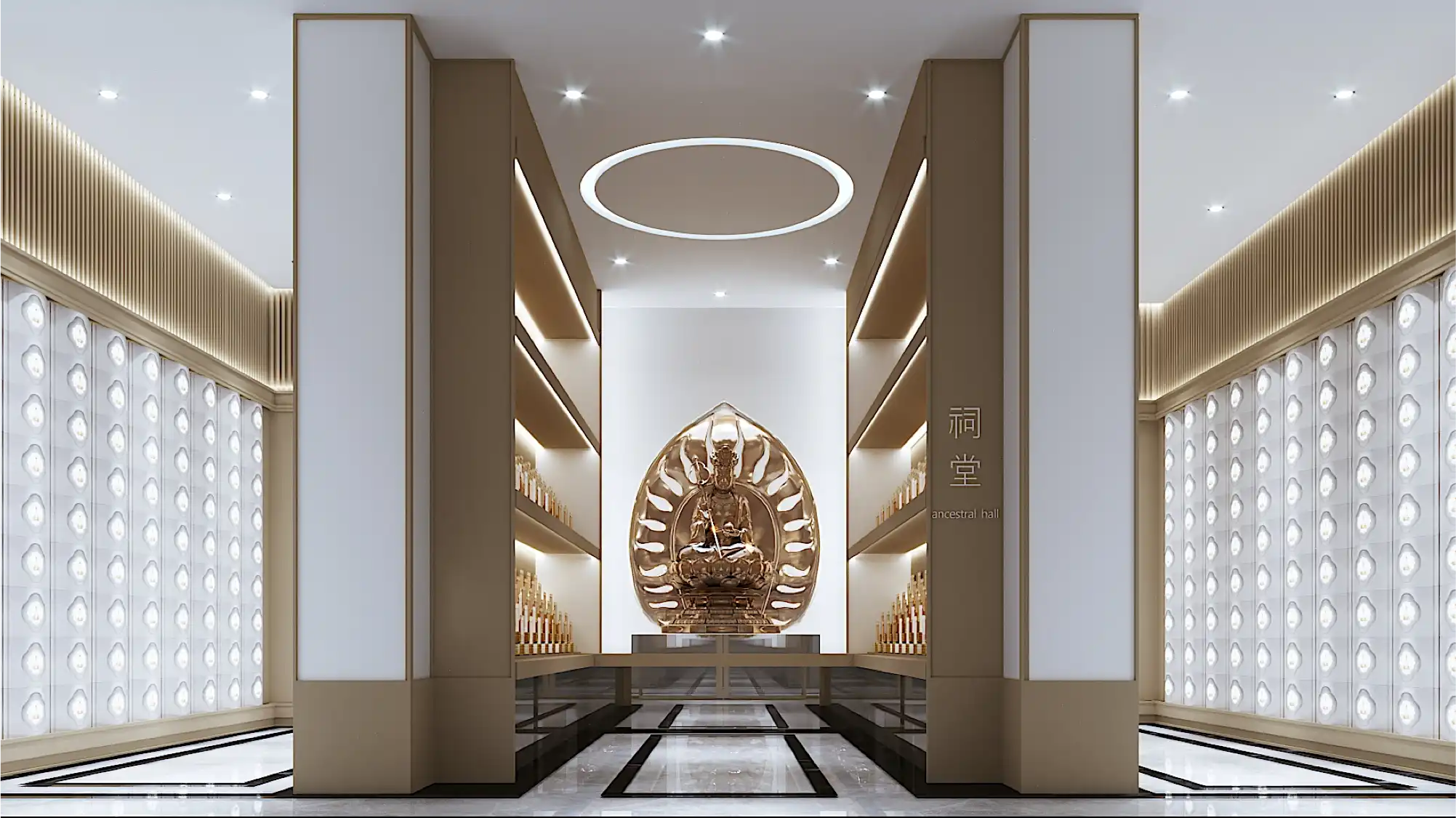
进入大雄宝殿,首先映入眼帘的是一尊高达两层楼的庄严佛像,端庄典雅,营造出祥和与欢迎的氛围。
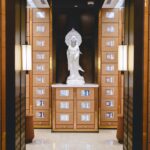
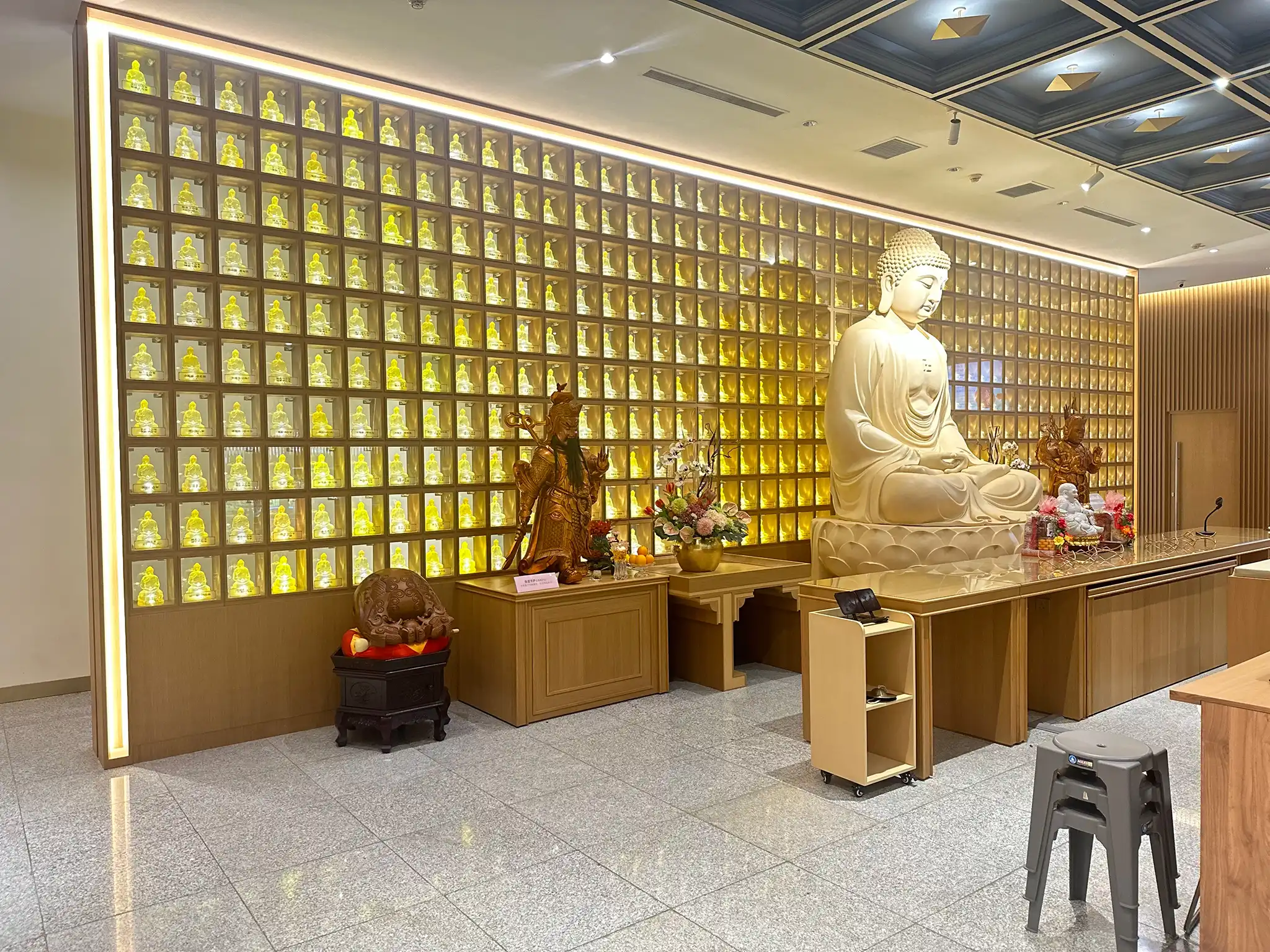
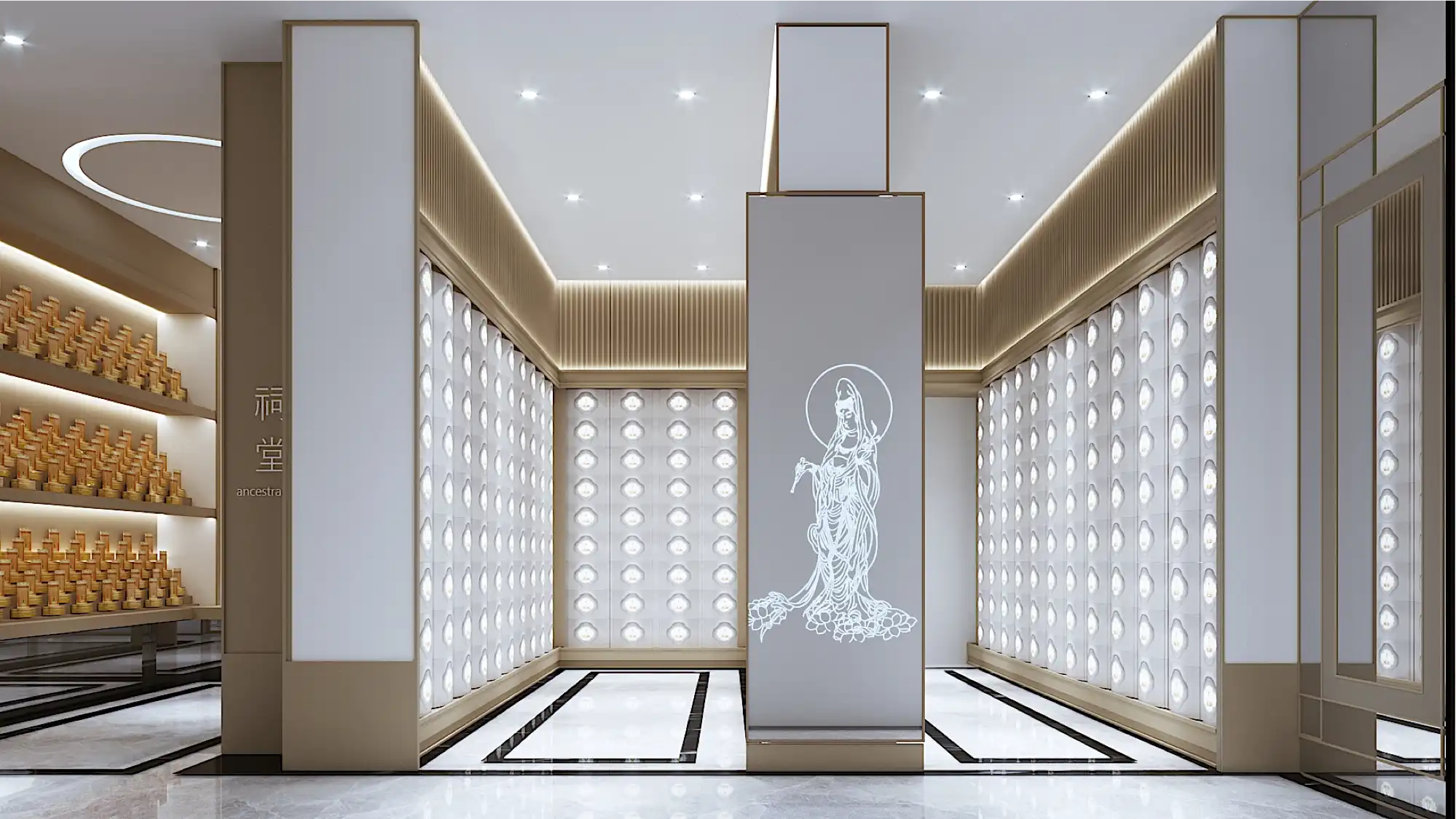
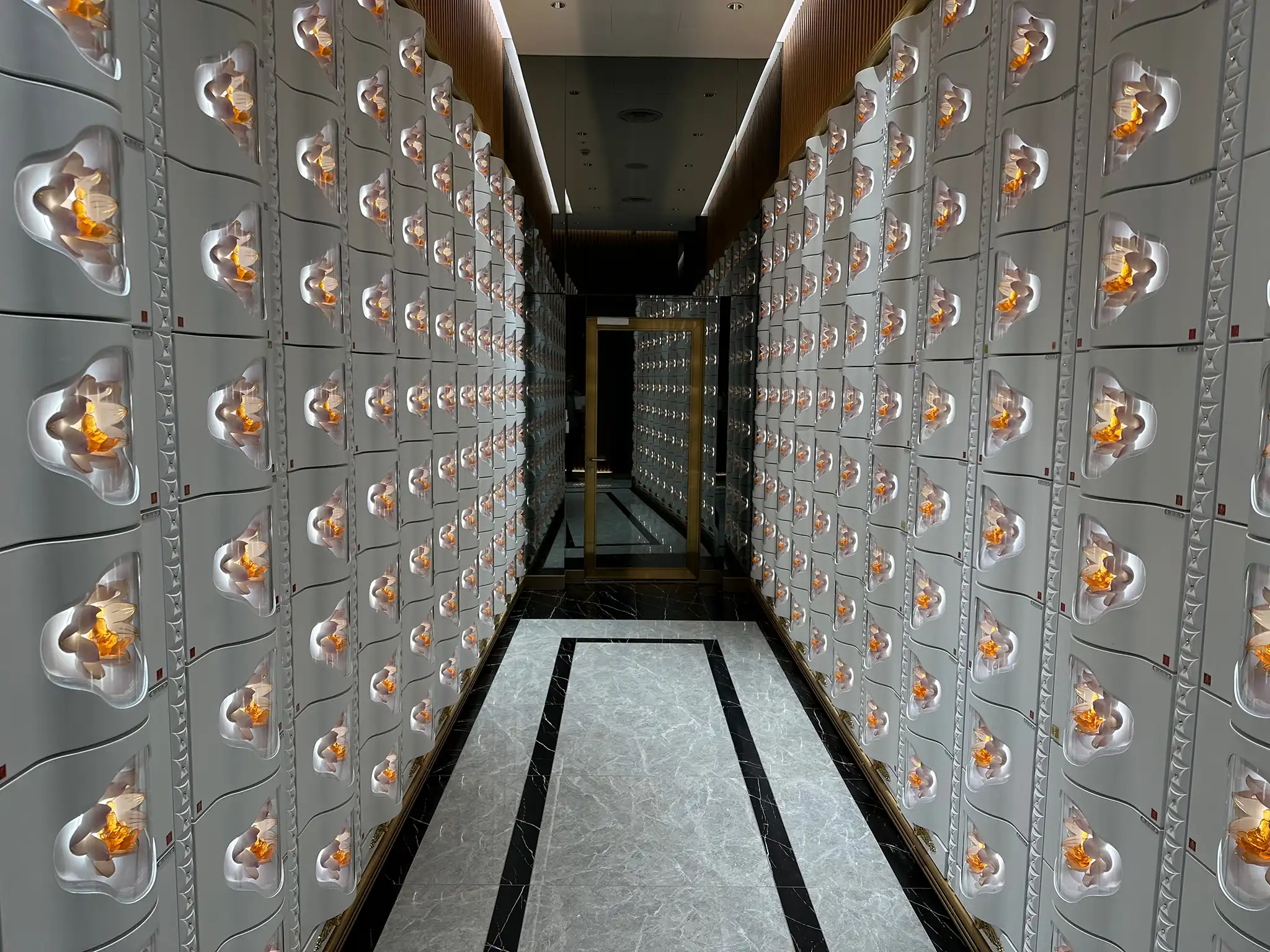
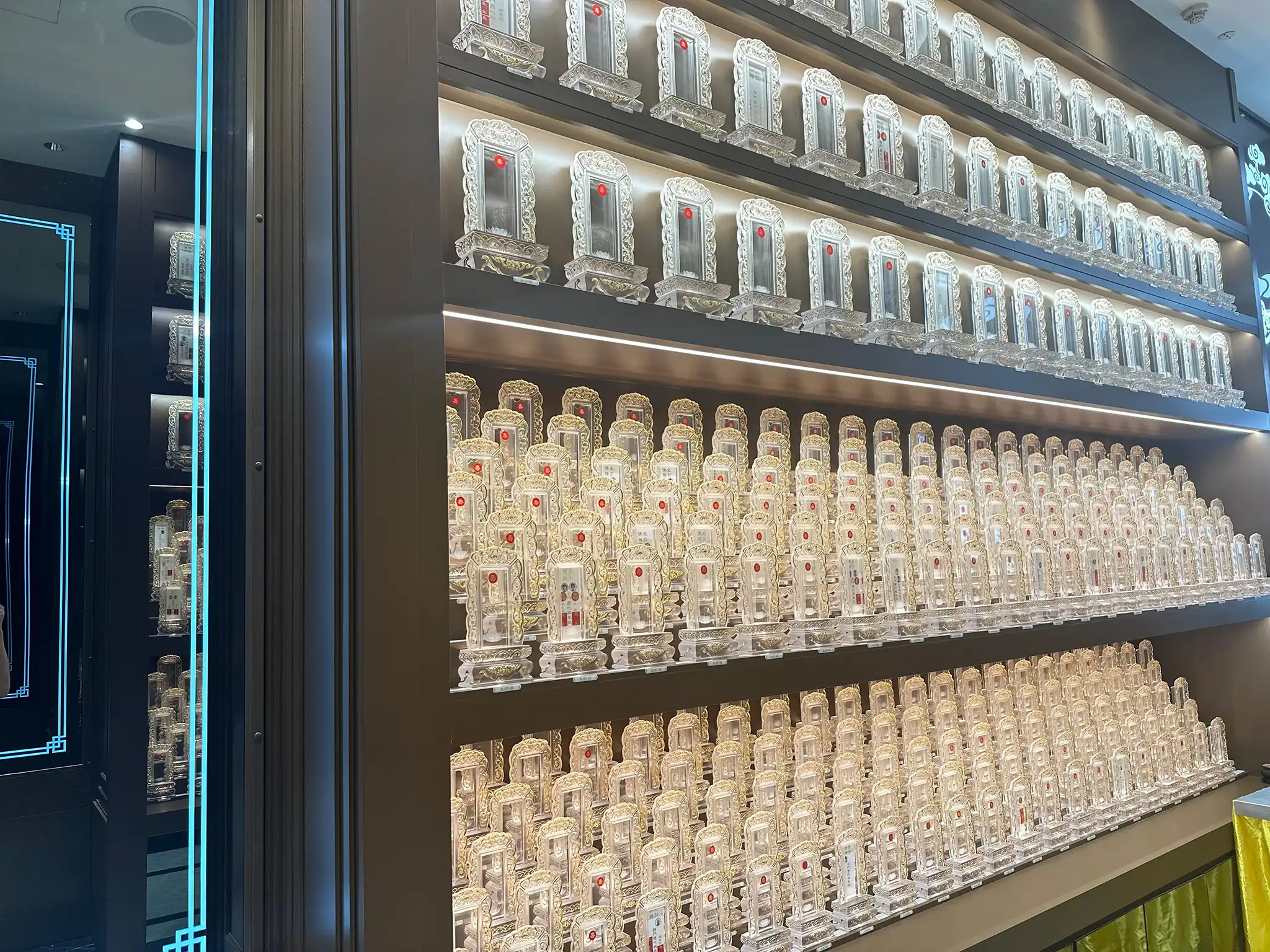
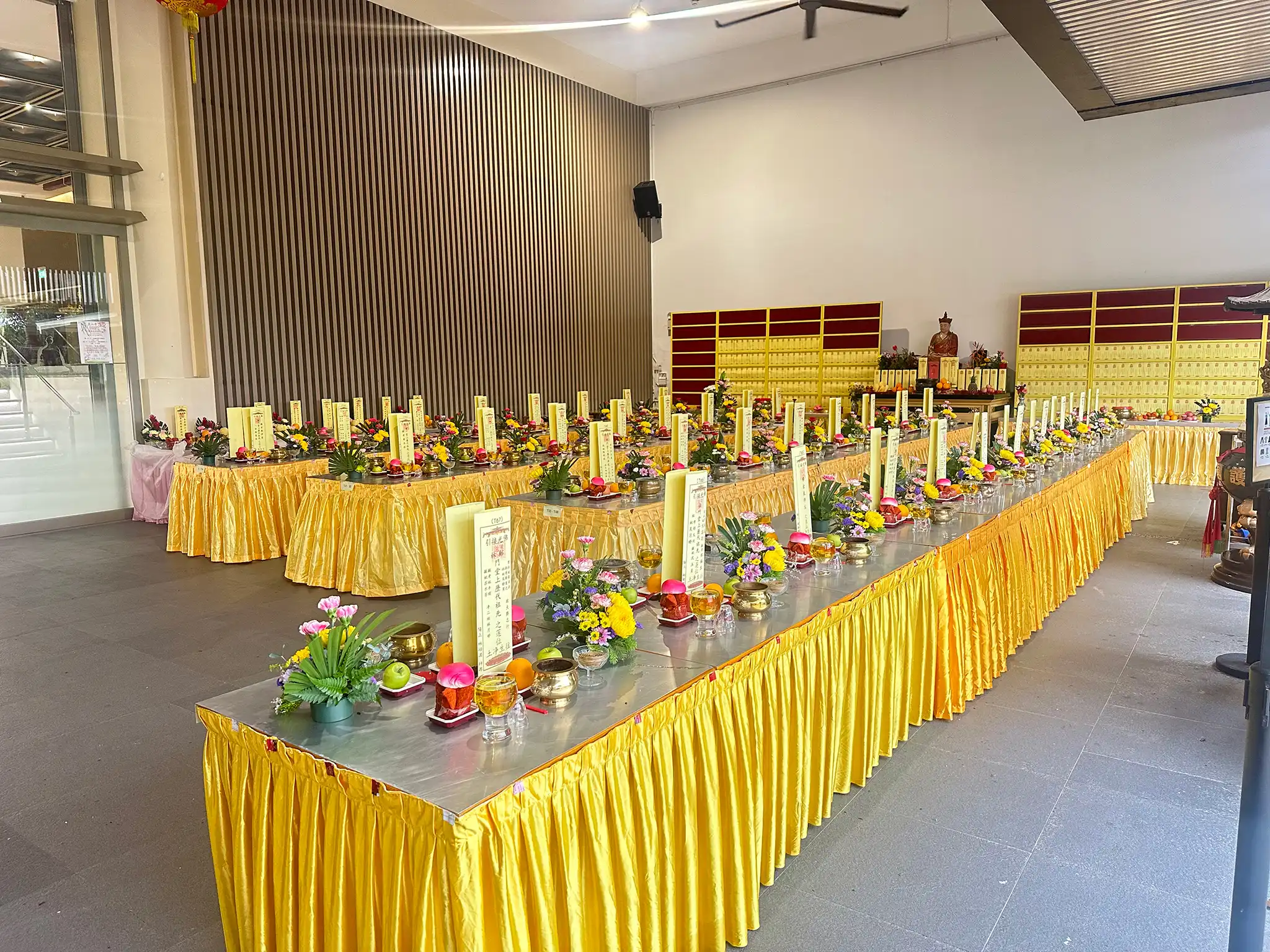
佛像背后空间划分为三个分殿:朝代一厅、朝代二厅与朝代三厅。其中,朝代一厅为未来发展预留;朝代二厅供奉祖先神主牌位;朝代三厅则安置骨灰龛位,为已故亲人提供一个庄严安宁的长眠之所。
Lin San Temple Gallery


灵山寺图片画廊
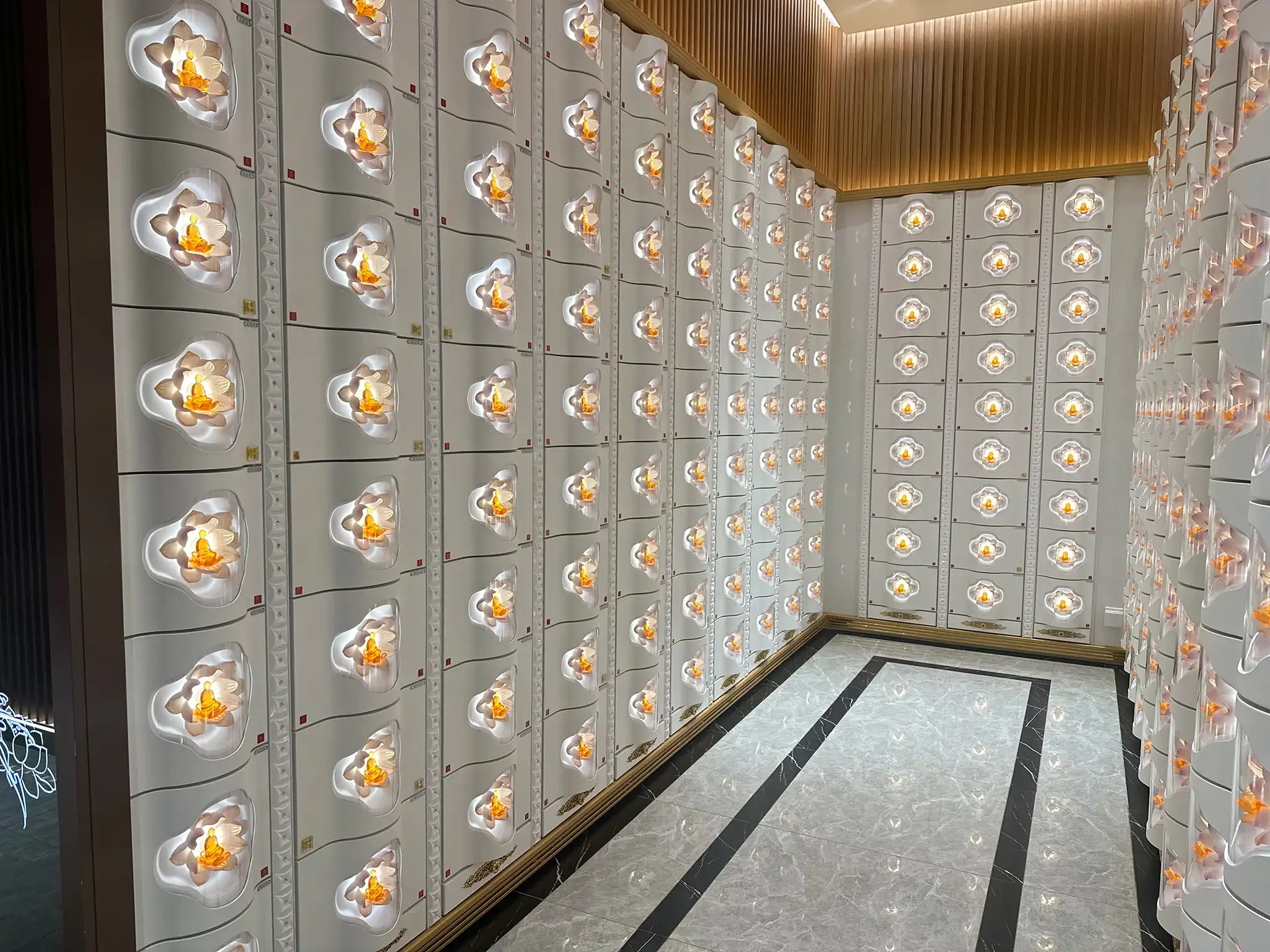
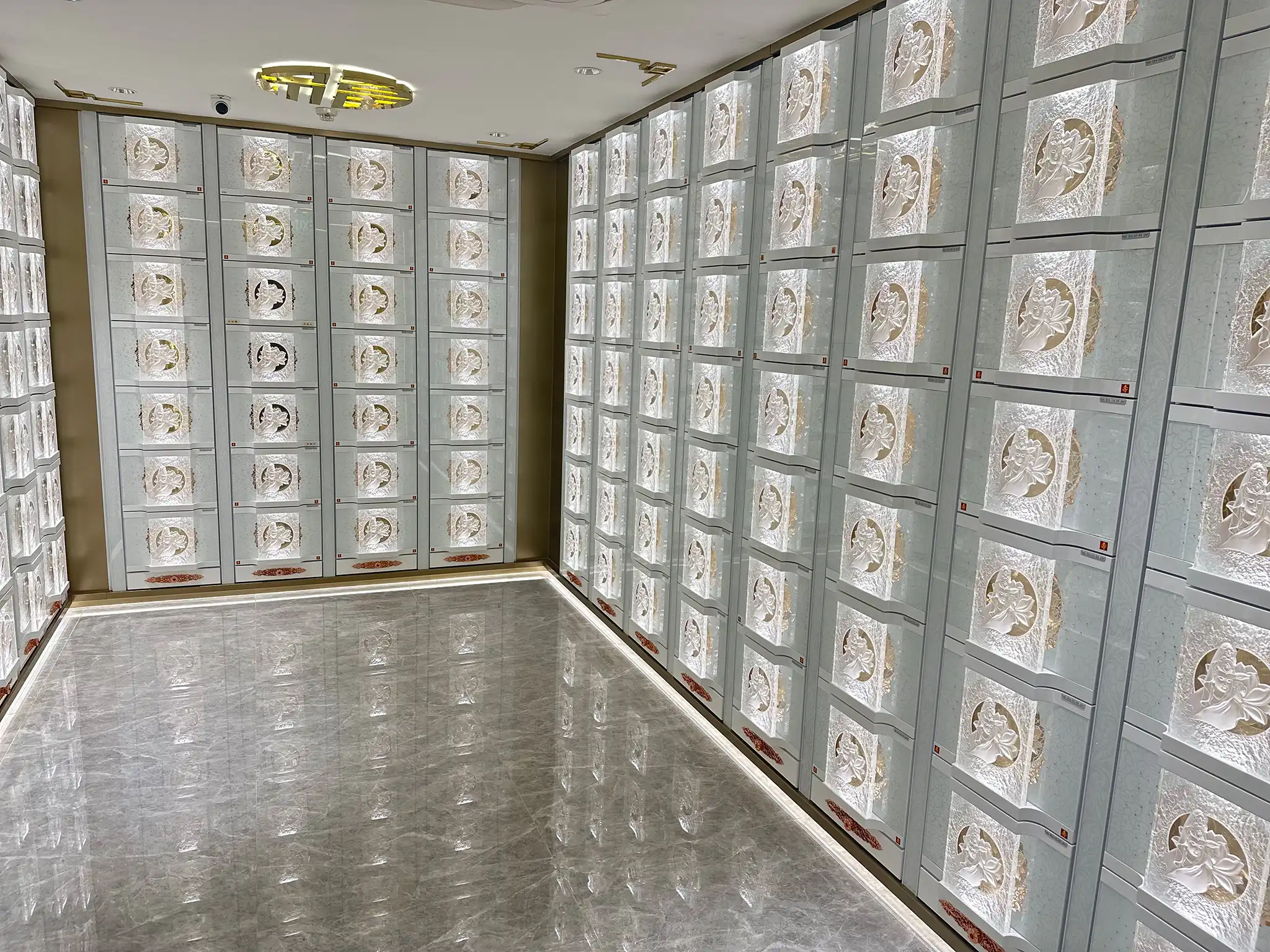
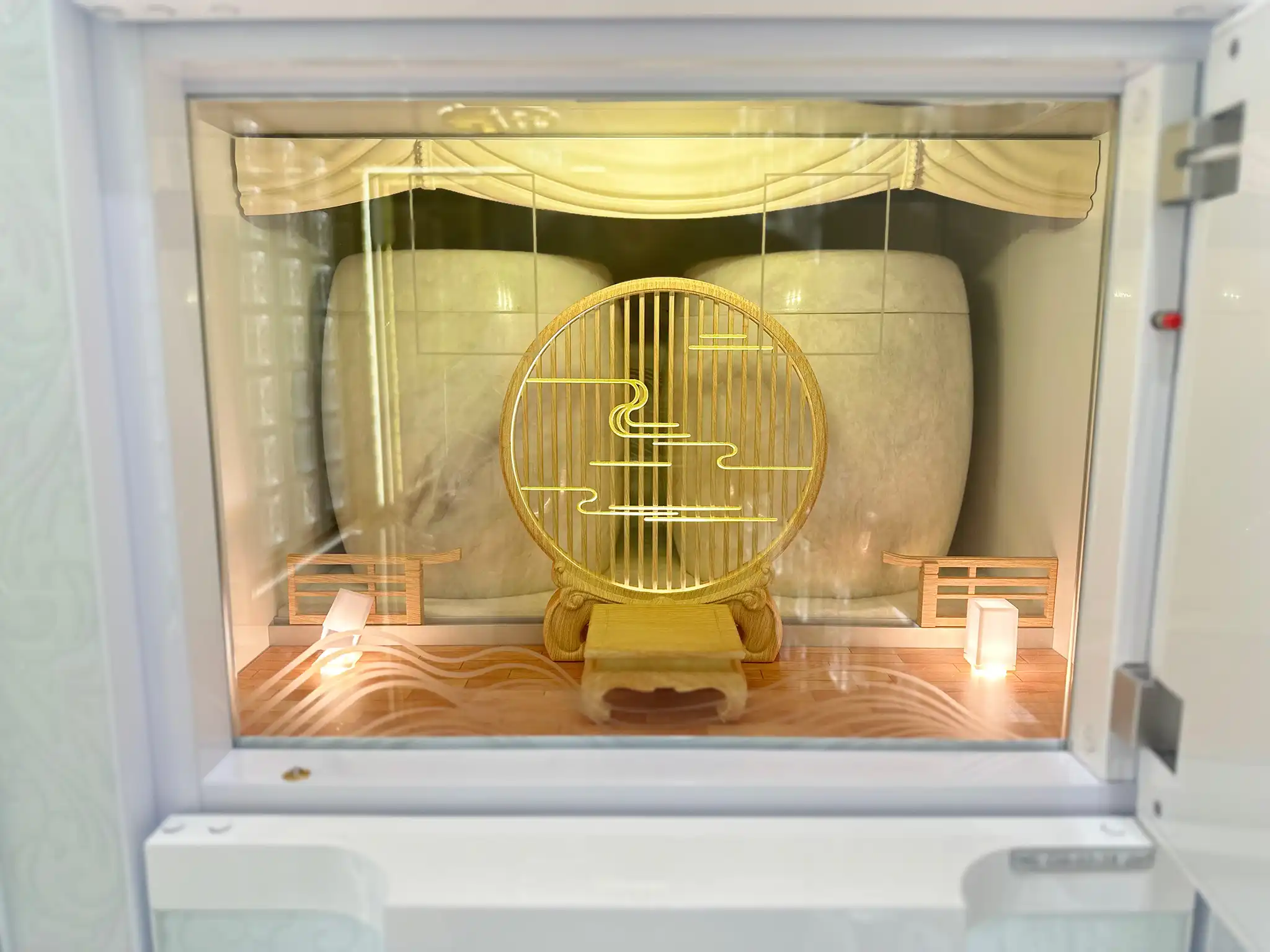
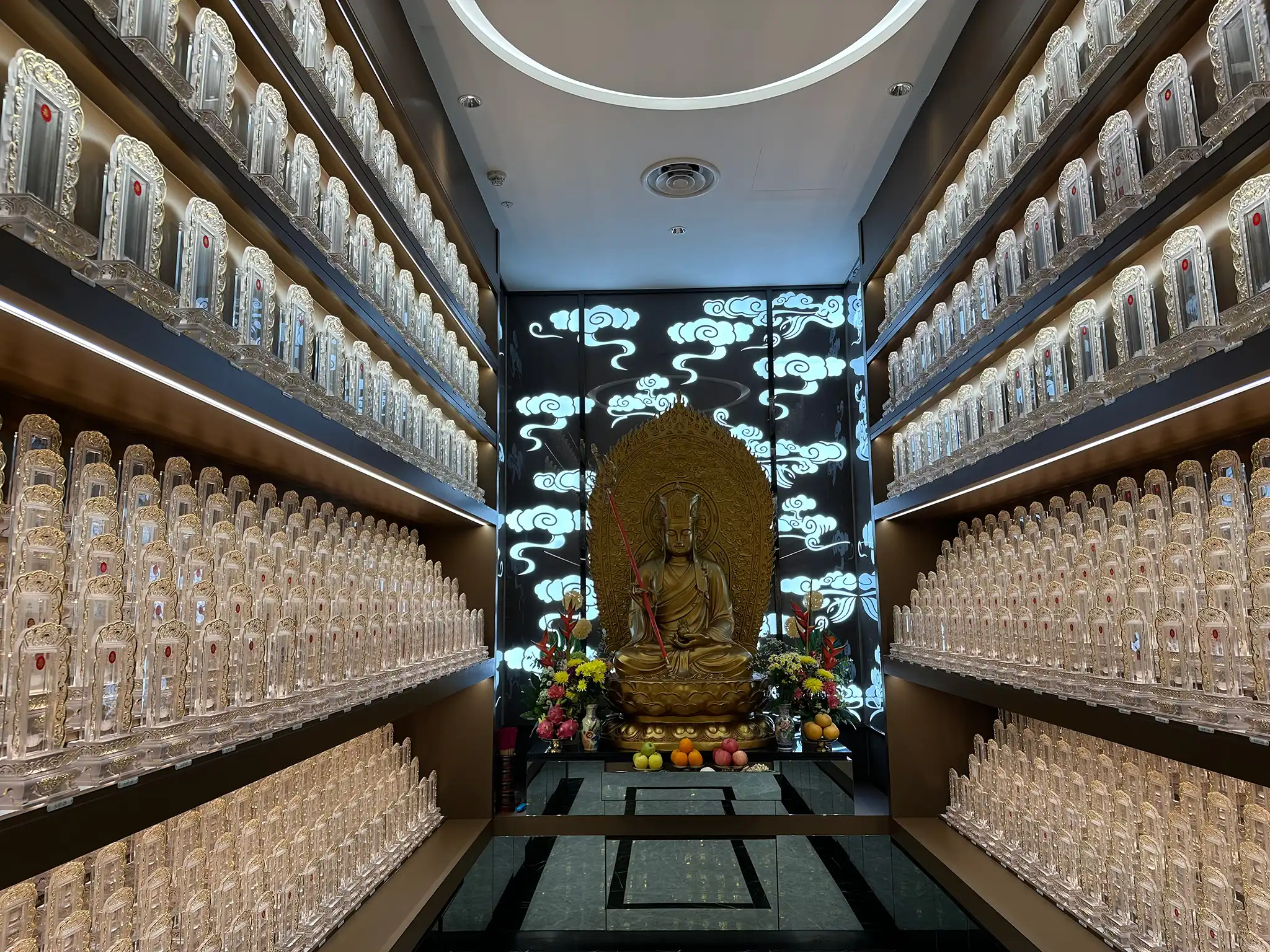
为什么选择灵山寺?

永久产权
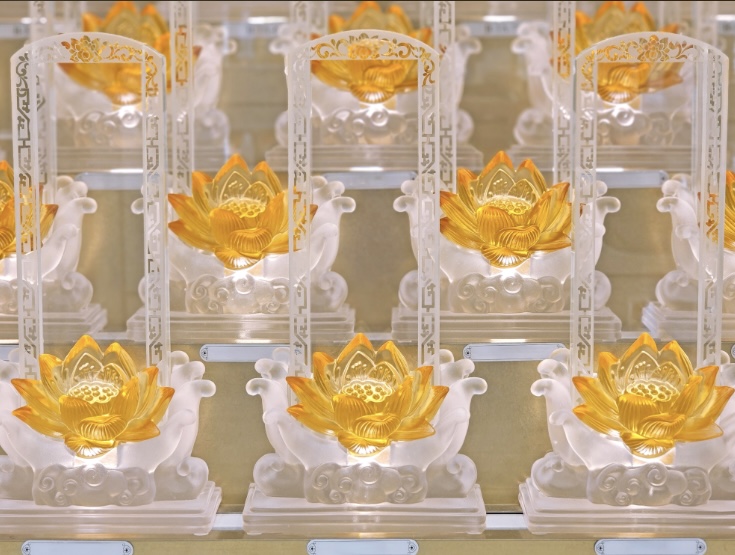
灵山寺提供永久骨灰龛位与祖先神主牌位,为您的亲人献上一处长久、庄严的纪念之所。

确保个人意愿得到尊重
灵山寺以关怀、尊严与慈悲的态度,悉心尊重每一位信众的个人意愿。每一项安排都以最庄重的方式进行,让亲人得以被永怀与纪念

财务规划
可选择高达48个月的免息分期付款方式,安心预订骨灰龛位或神主牌位,适用于生前规划或即时所需。

促进开放对话,带来安心无忧
灵山寺通过提供一个宁静且包容的环境,促进开放的交流,让家庭和个人能够齐聚一堂,带来安心与宁静。
Frequently Asked Questions
Prayer etiquette at Lin San Temple involves dressing modestly (covering shoulders/knees), removing hats/shoes, keeping quiet, turning off phones, and showing respect by not touching statues; prayer itself focuses on silent reverence, maybe ringing a bell, offering incense/flowers, bowing deeply (often twice), and placing palms together with silent focus, avoiding loud clapping, and bowing again when leaving.
Take off your shoes and hats before entering. There will almost always be a sign outside of the temple pointing visitors to the designated area for shoes and hats.
While there’s no strict rule against wearing certain colours while visiting temples, it’s generally considered less auspicious to wear colours like black due to its association with mourning and negativity.
Lin San Temple in Singapore is significant as a modern Buddhist sanctuary blending traditional worship with innovative memorial services, offering freehold columbarium niches and ancestral tablets, symbolizing faith meeting modern needs, and continuing a legacy of charity under the guidance of influential monks like Venerable Seang Heng. Its history traces back to the 1960s, evolving from a modest temple into a state-of-the-art facility through rebuilding efforts, becoming a vital spiritual hub for remembrance and community welfare.
For the male visitors, their shirts should have sleeves, and trousers should cover beyond the knees. Avoid wearing tank-tops and short shorts. For women, the dress code for women follows similar guidelines which is, modest clothing that covers shoulders and legs appropriately.