清明祭祀礼仪配套
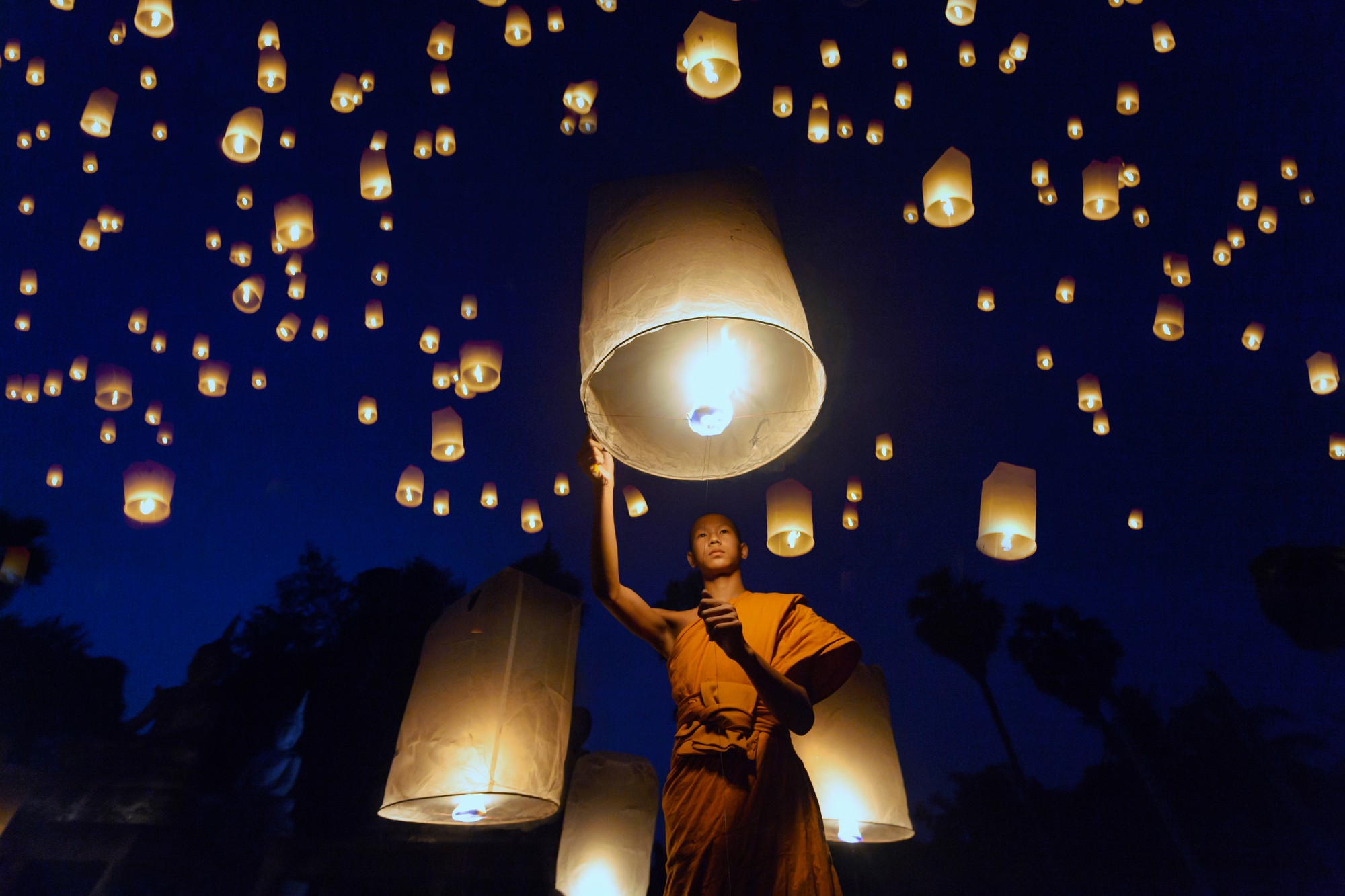
清明节是缅怀祖先的时刻。我们的配套已经通过精心设计,助您表达敬意,确保在这一特殊节日中为逝去的亲人献上有意义且宁静的追思仪式。

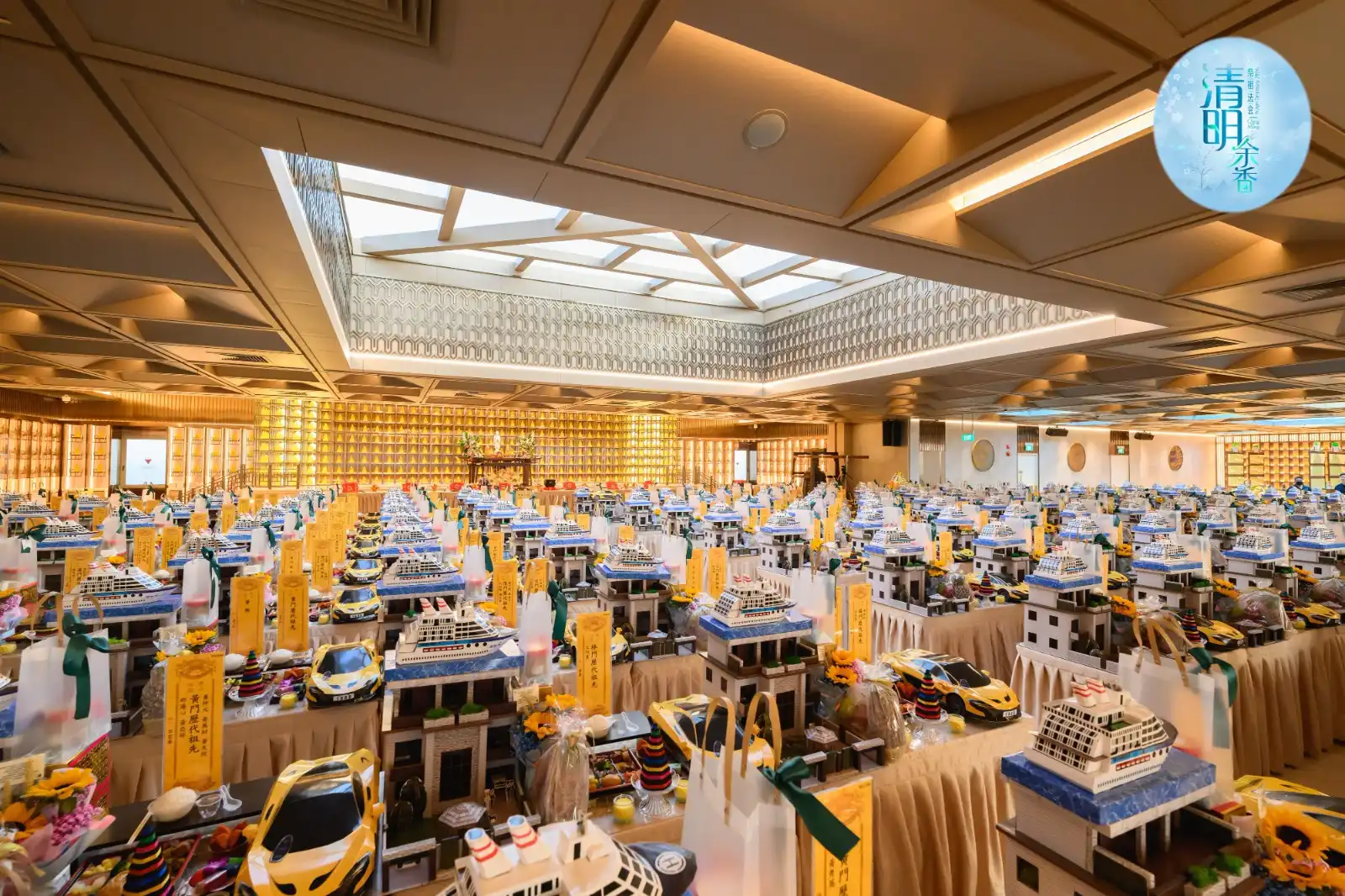
帝王席配套
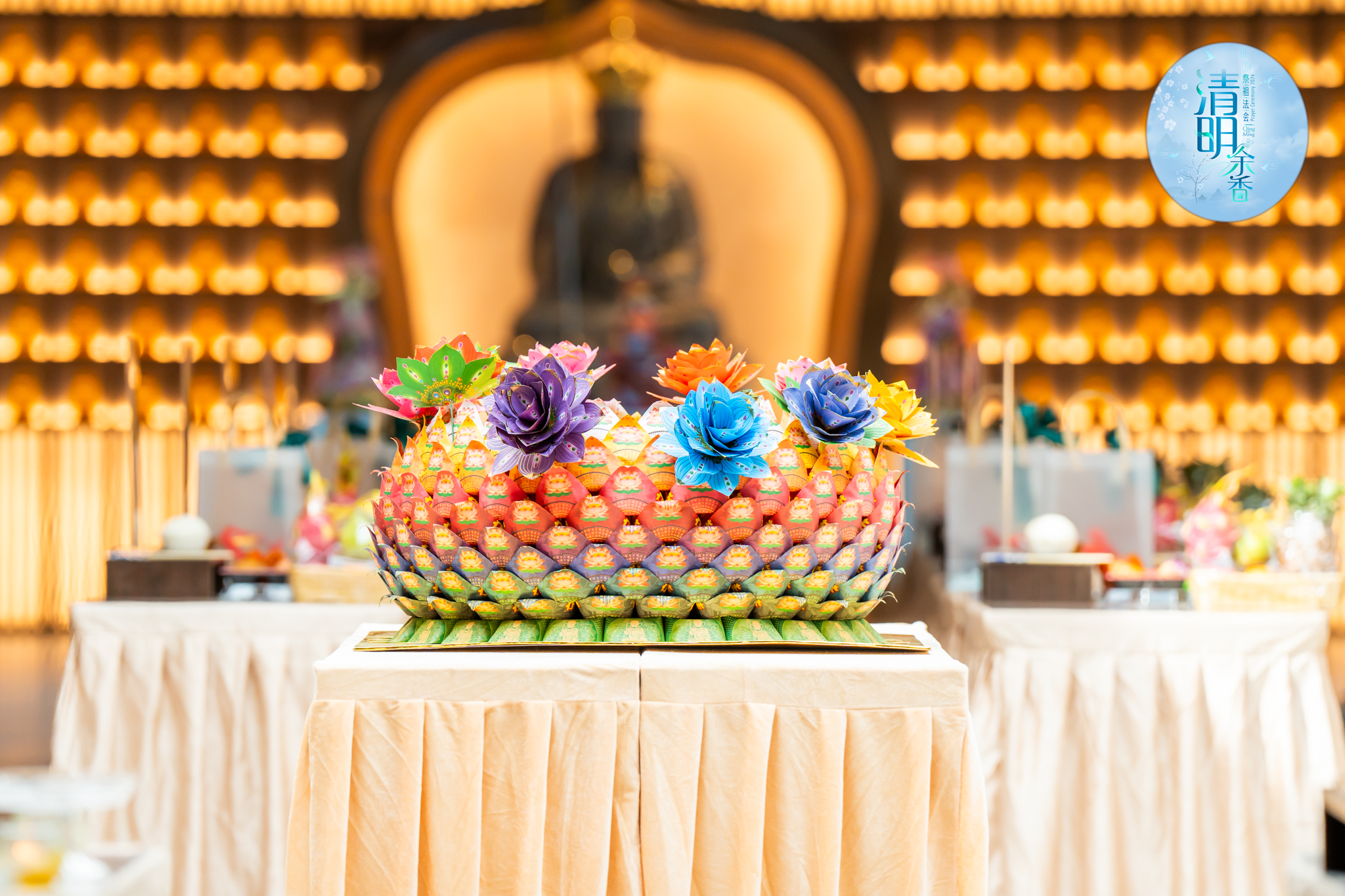
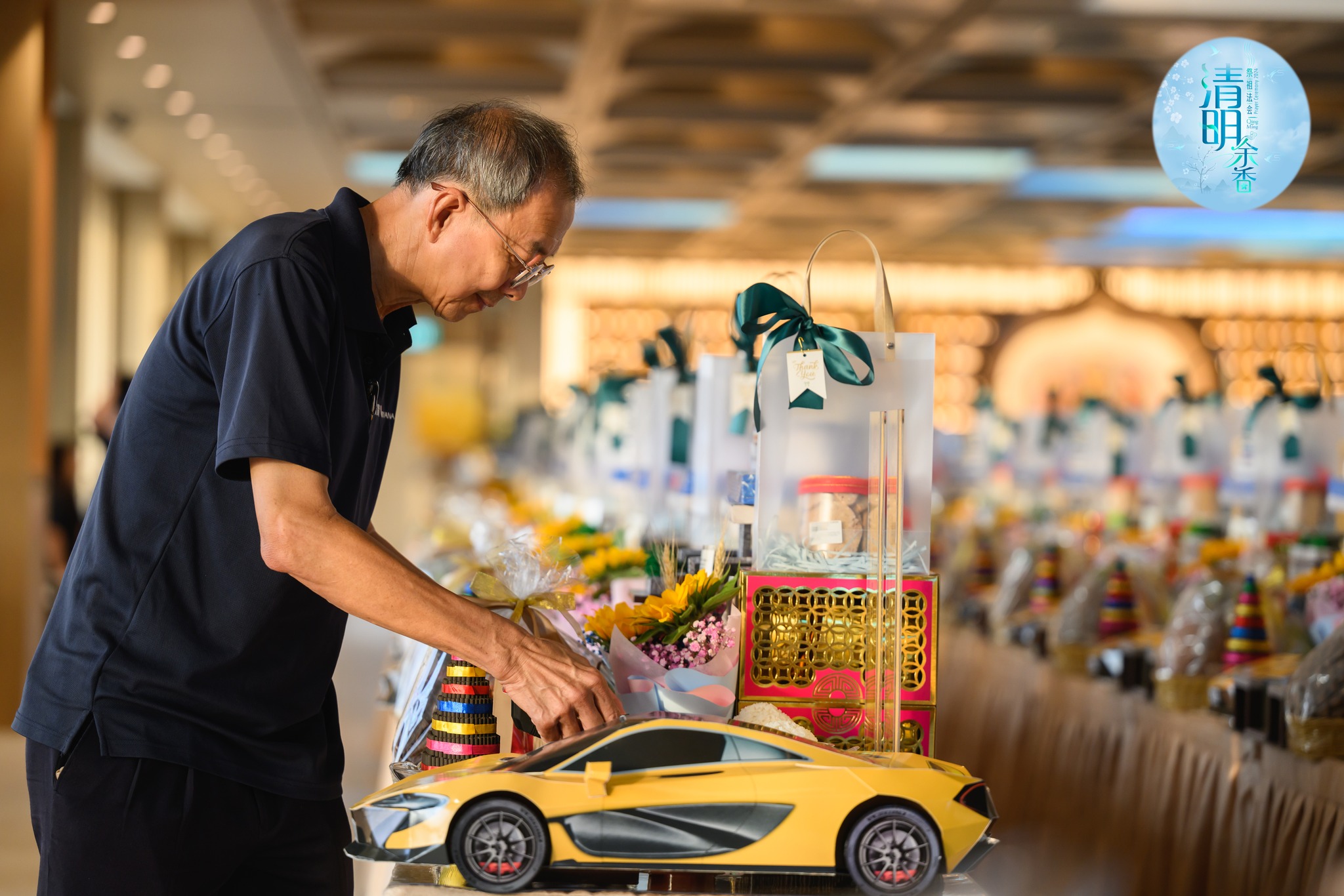
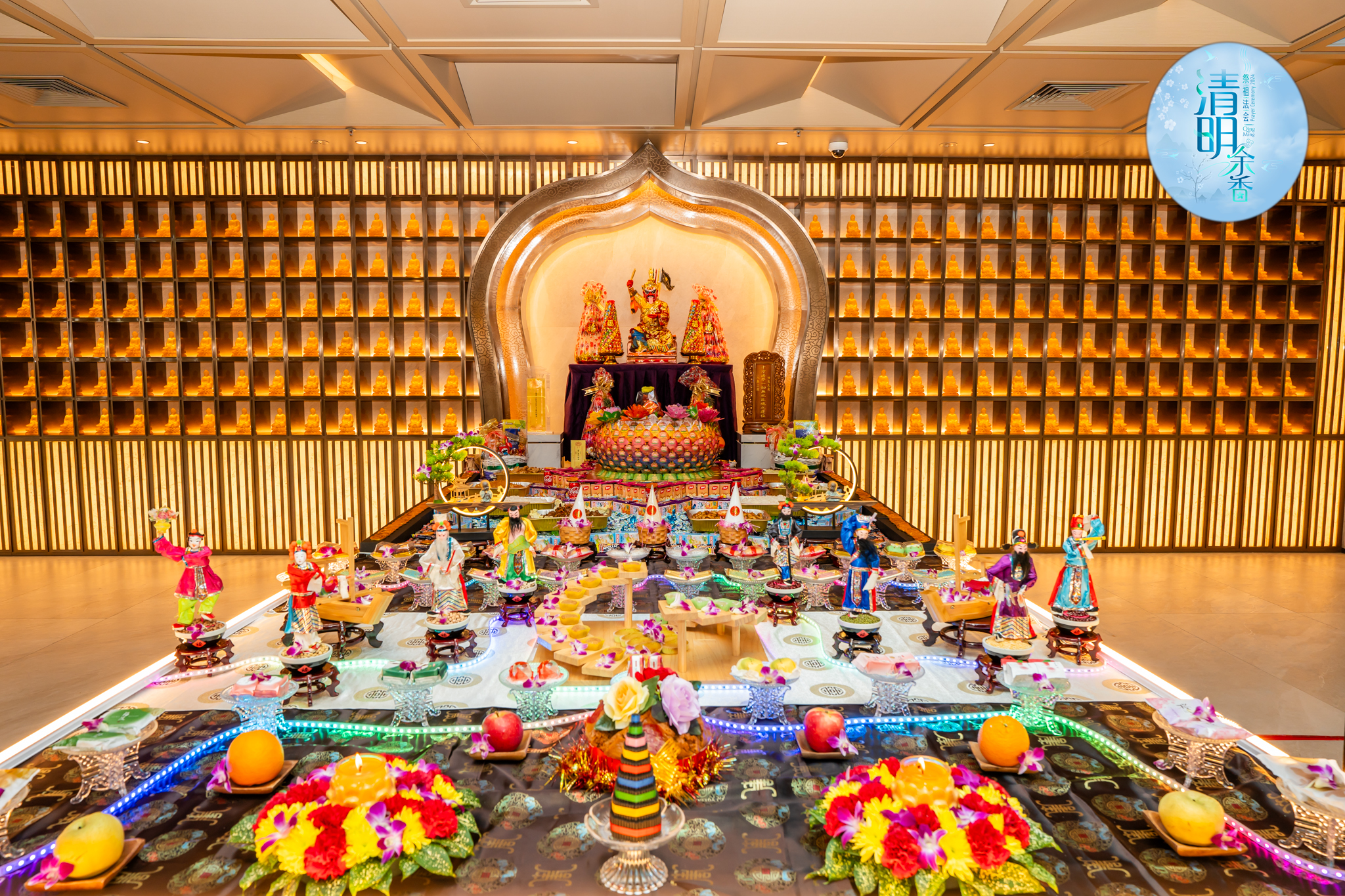
选择帝皇席豪华桌式套餐来尊崇您的祖先。这配套包含两尊独家莲位牌位、新鲜鲜花、水果、六支香烛及高档纸祭品。此套餐旨在助您的祖先超度往生净土,为您的家人带来福佑与安宁。
尊贵席配套
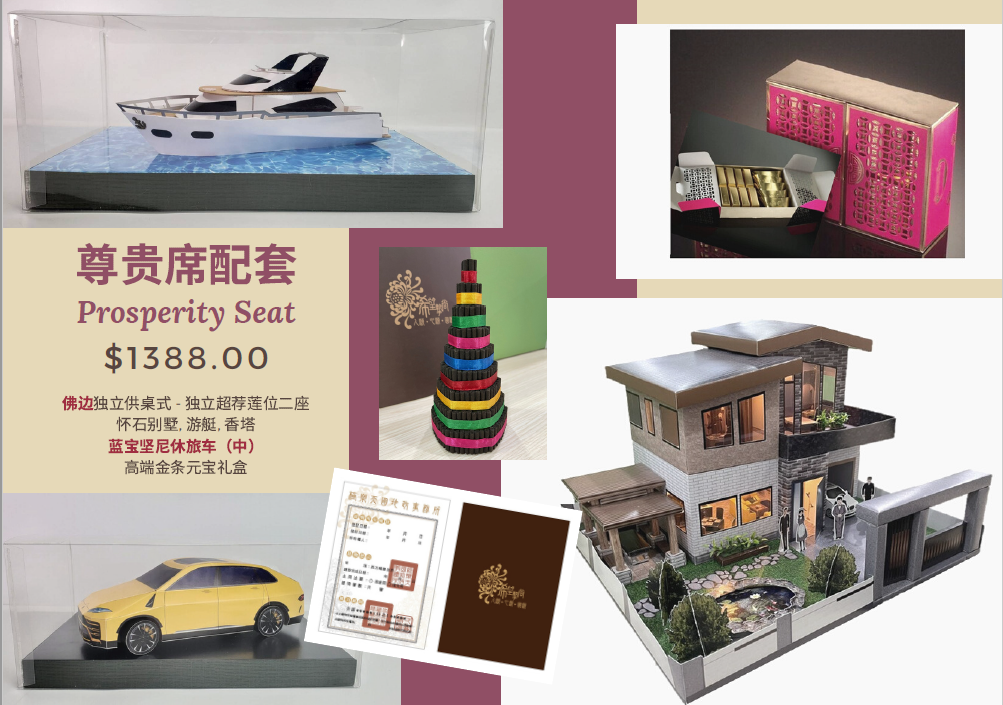
在佛座近前缅怀祖先,选择尊贵席配套,共沐佛恩。此套餐包含一尊大型莲位及六份丰盛的供品与水果。为至亲献上祝福,助他们神灵聆听诸佛法音,得以自在超脱,安宁和合。
安祥配套
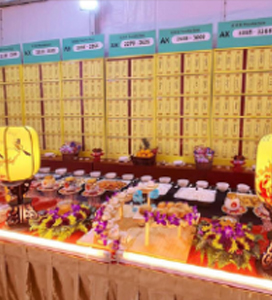
选择安祥座配套,于佛座前为祖先献上一方宁静净土。这配套包含一尊大型莲位及六份素食与水果供品,助先人超脱轮回,蒙佛光指引,往生极乐净土,永享安宁。
功德配套
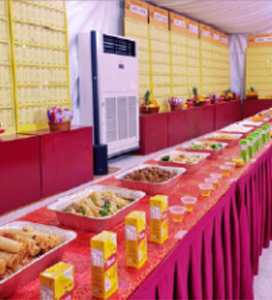
功德配套位于佛像两侧墙边,为您提供一个诚心祈福之处。配套包含一尊中型莲位及六份素食与水果供品,助祖先亲近佛法、启发智慧,为家人带来宁静与祥和。
冤亲债主配套
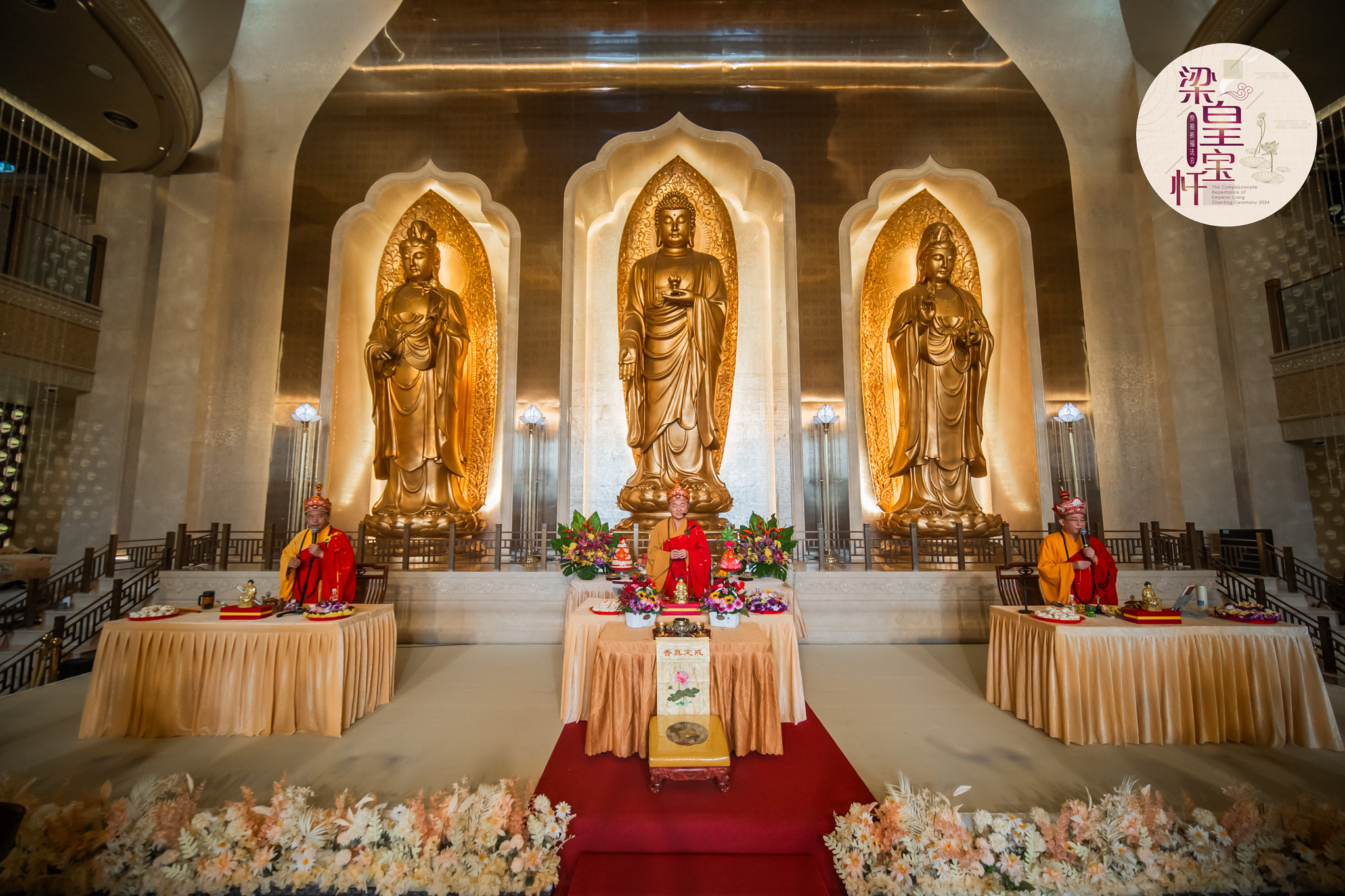
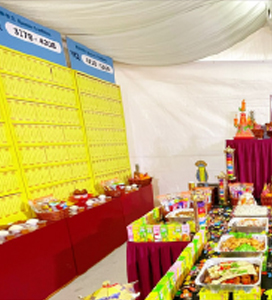
通过此场法会,化解人生障碍与业力纠缠。法会旨在了结与家人或冤亲债主之间未了之缘,转化过往因果,导向善果正缘。参与这一超度仪式,祈愿消除干扰、迎来幸福,调和阴阳,身心安泰,福慧圆满。
无缘宝宝配套
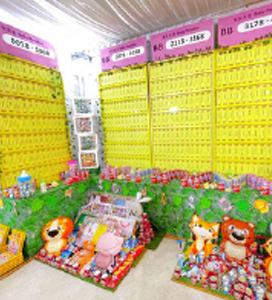
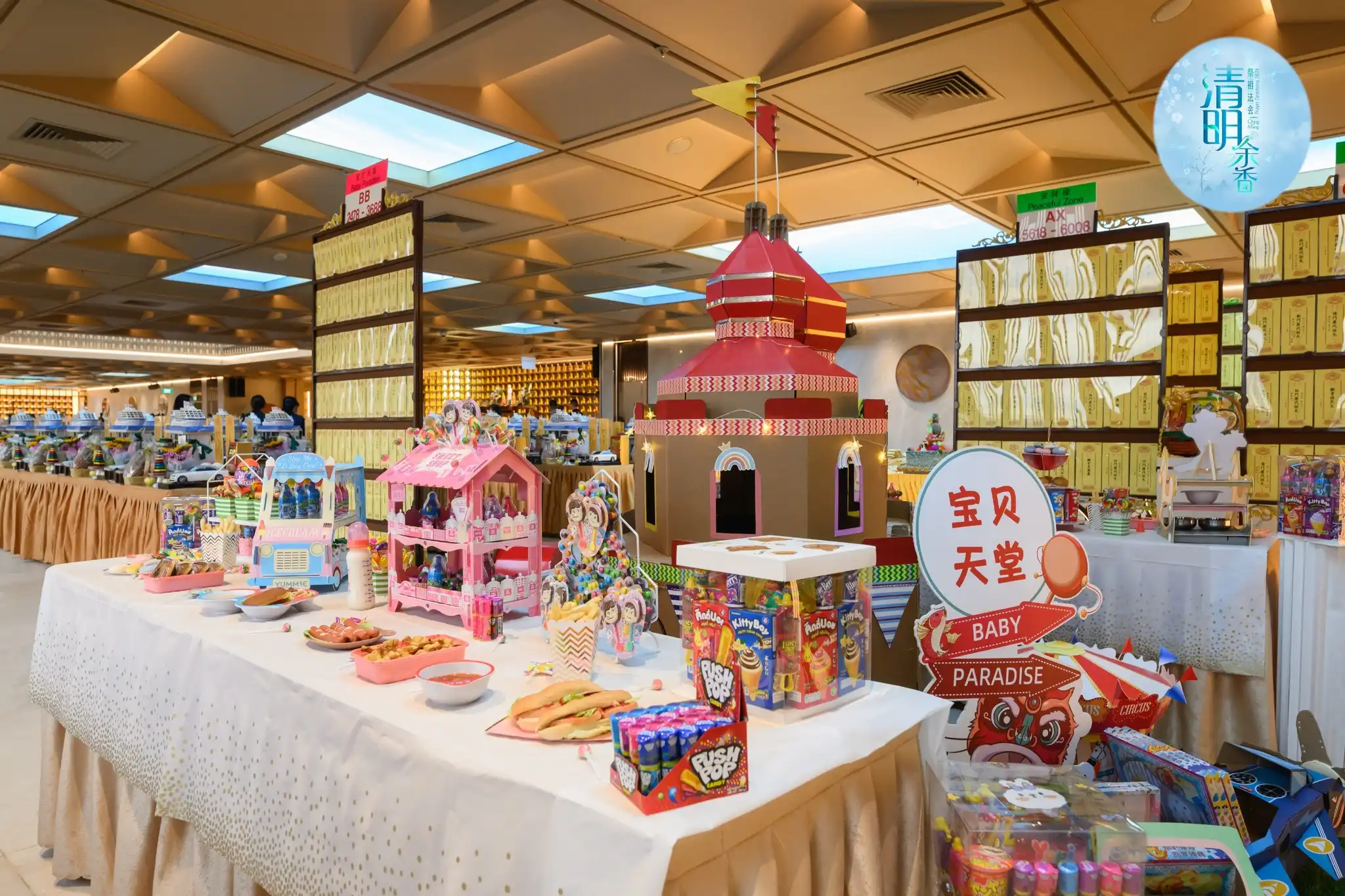
为婴灵举行专属超度法会,祈请地藏菩萨慈悲接引。通过爱与关怀化解怨结,安抚其心,引导他们往生净土。此善行不仅超度婴灵,也为家人带来疗愈与圆满,放下执念,得以安心。
清明祭祀礼仪配套
清明节是缅怀祖先的时刻。我们的配套已经通过精心设计,助您表达敬意,确保在这一特殊节日中为逝去的亲人献上有意义且宁静的追思仪式。
帝王席配套
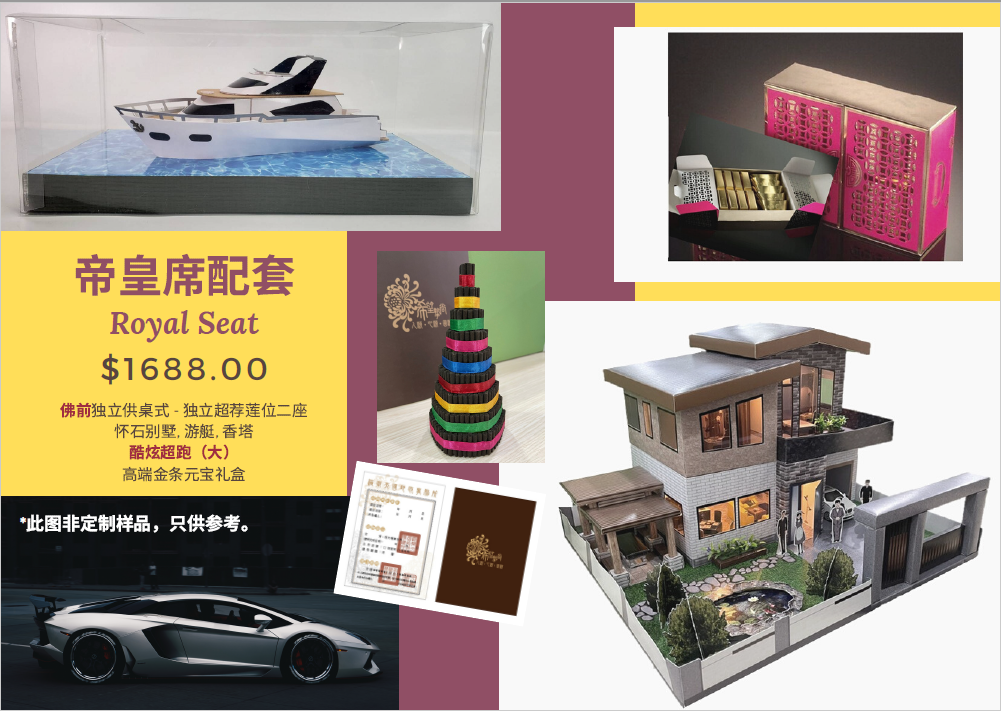
选择帝皇席豪华桌式套餐来尊崇您的祖先。这配套包含两尊独家莲位牌位、新鲜鲜花、水果、六支香烛及高档纸祭品。此套餐旨在助您的祖先超度往生净土,为您的家人带来福佑与安宁。
尊贵席配套
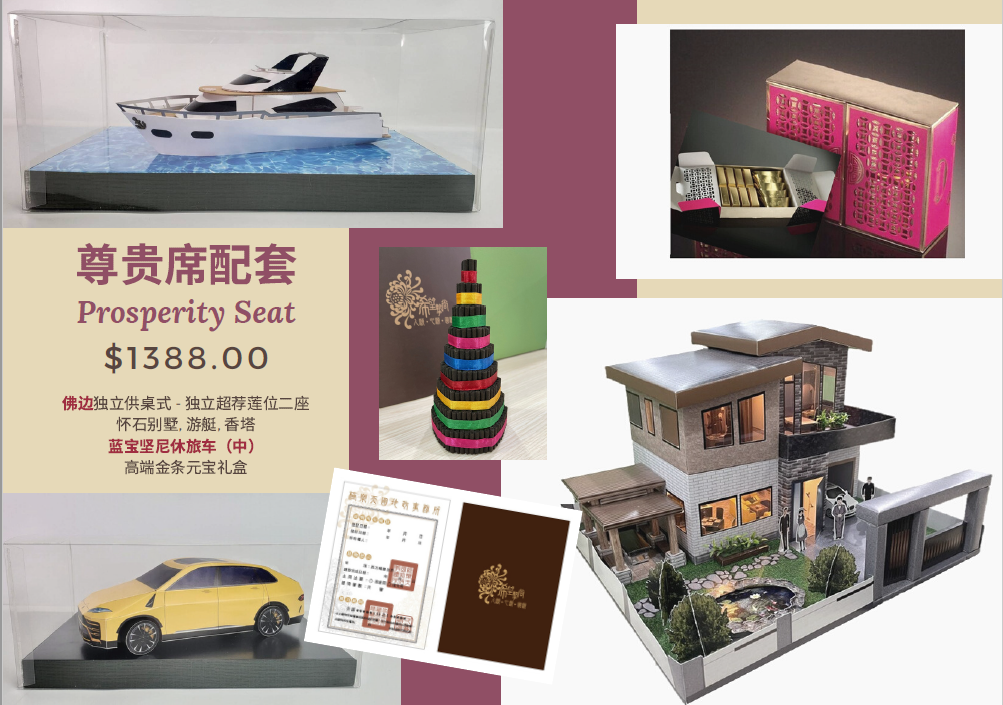
在佛座近前缅怀祖先,选择尊贵席配套,共沐佛恩。此套餐包含一尊大型莲位及六份丰盛的供品与水果。为至亲献上祝福,助他们神灵聆听诸佛法音,得以自在超脱,安宁和合。
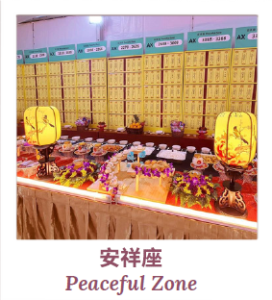
安祥配套
选择安祥座配套,于佛座前为祖先献上一方宁静净土。这配套包含一尊大型莲位及六份素食与水果供品,助先人超脱轮回,蒙佛光指引,往生极乐净土,永享安宁。
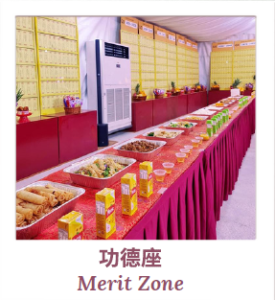
功德配套
功德配套位于佛像两侧墙边,为您提供一个诚心祈福之处。配套包含一尊中型莲位及六份素食与水果供品,助祖先亲近佛法、启发智慧,为家人带来宁静与祥和。
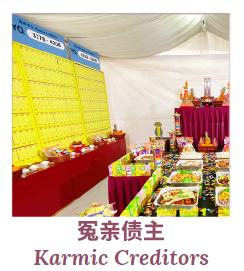
冤亲债主配套
通过此场法会,化解人生障碍与业力纠缠。法会旨在了结与家人或冤亲债主之间未了之缘,转化过往因果,导向善果正缘。参与这一超度仪式,祈愿消除干扰、迎来幸福,调和阴阳,身心安泰,福慧圆满。
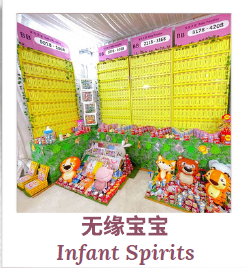
无缘宝宝配套
为婴灵举行专属超度法会,祈请地藏菩萨慈悲接引。通过爱与关怀化解怨结,安抚其心,引导他们往生净土。此善行不仅超度婴灵,也为家人带来疗愈与圆满,放下执念,得以安心。
UPDATES
清明节的传统活动
In light of the Qing Ming Festival, we support families in honouring their ancestors through ancestral offerings, prayers, and remembrance rituals.
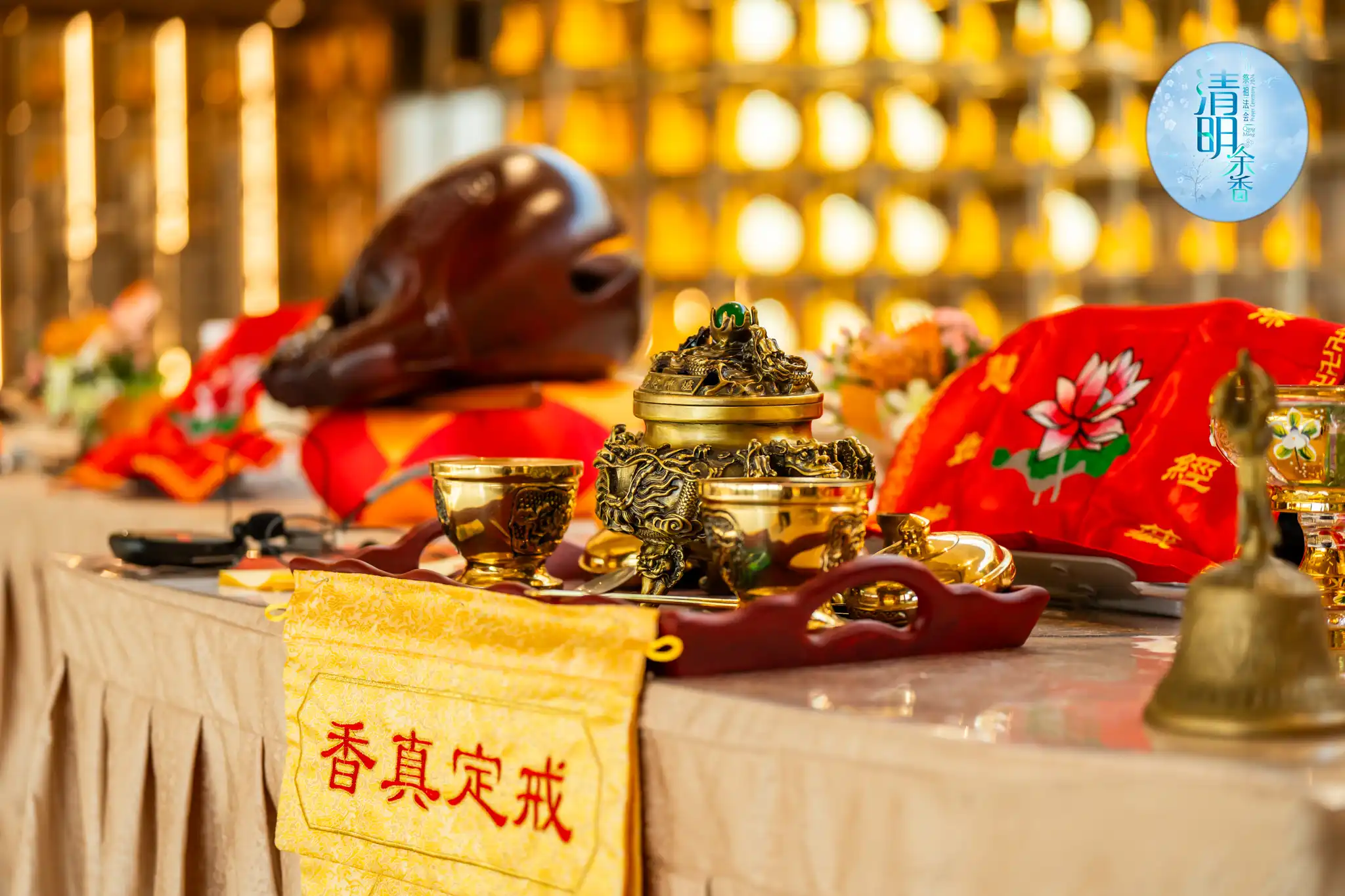
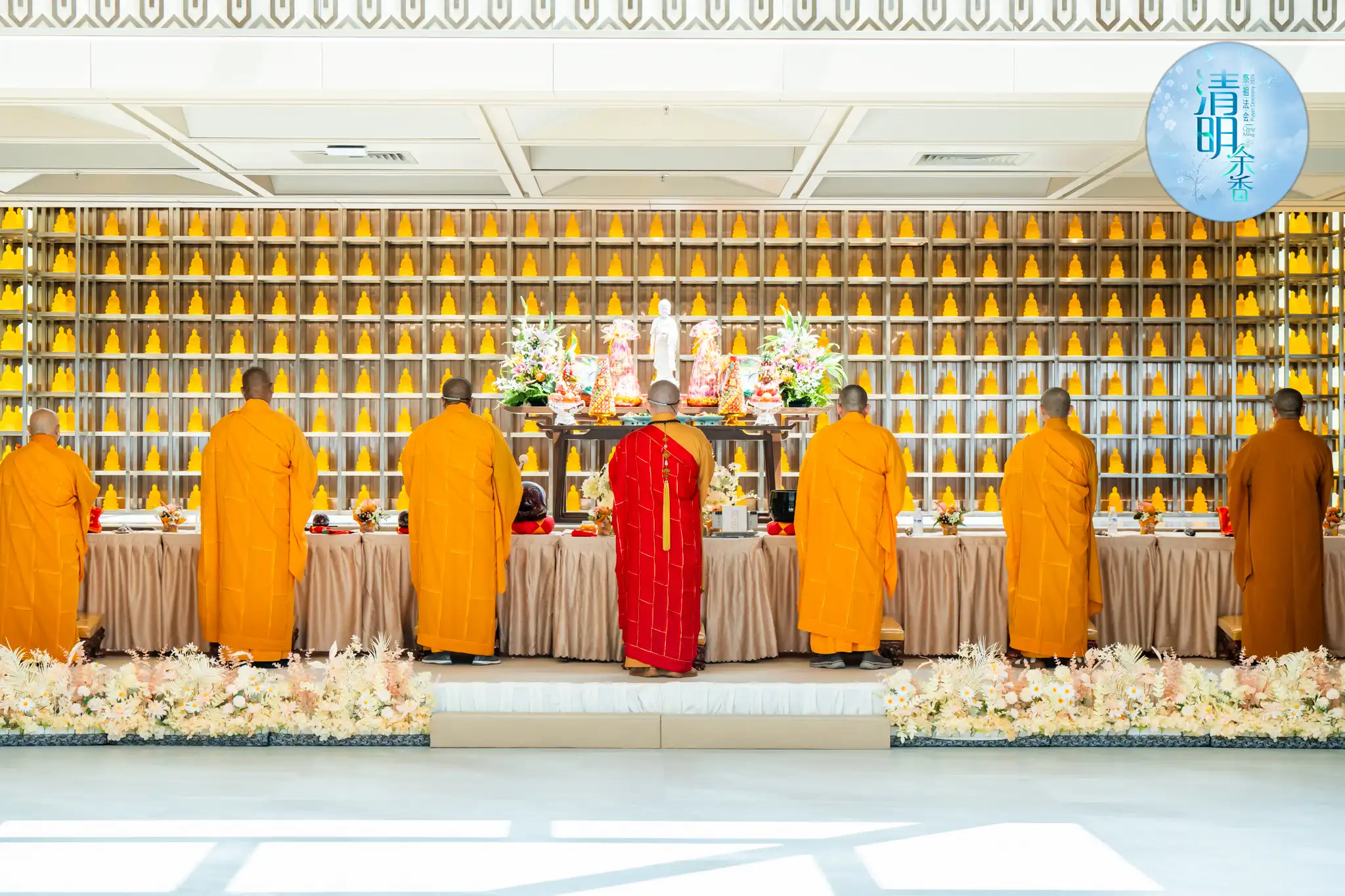
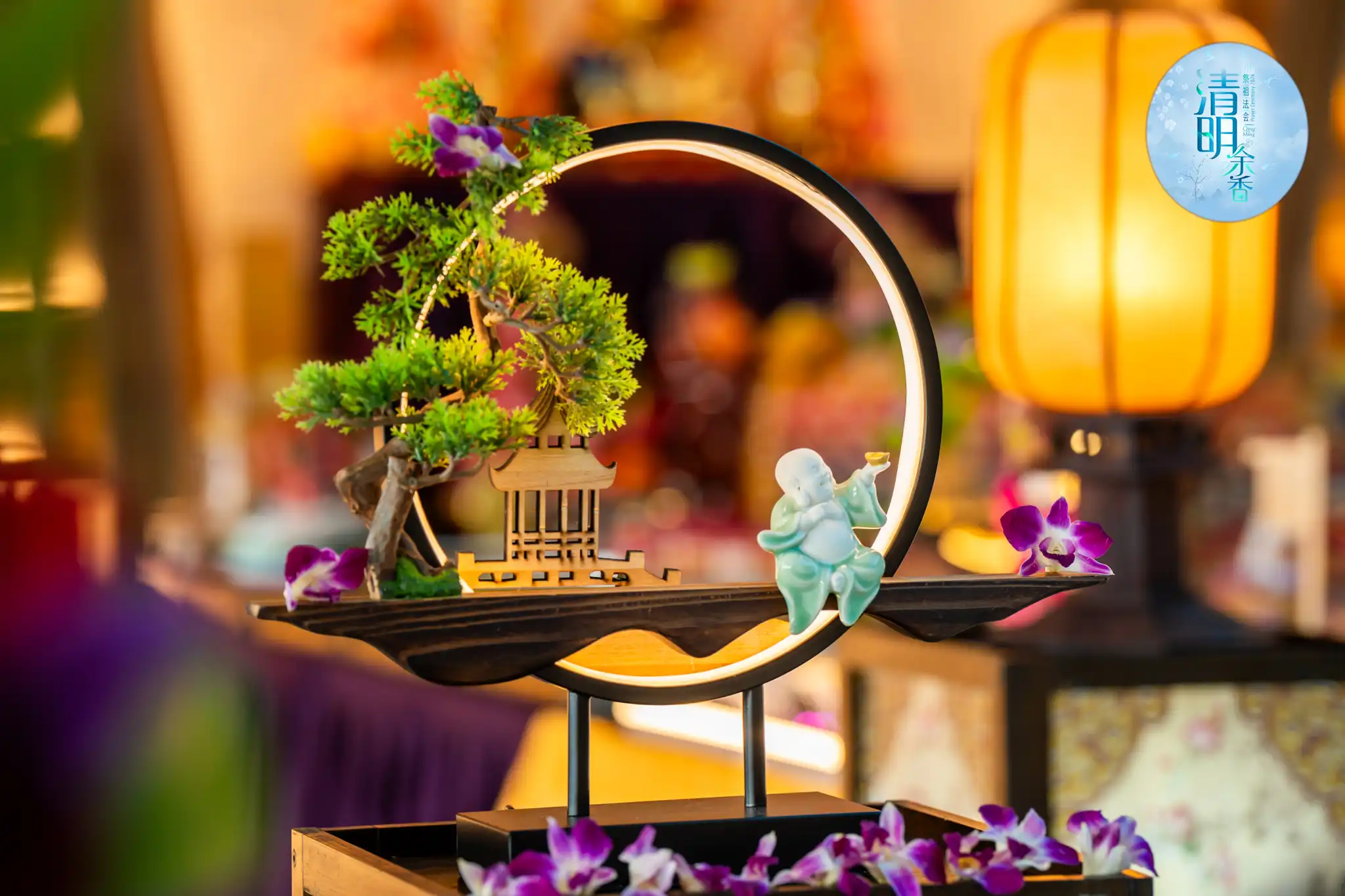
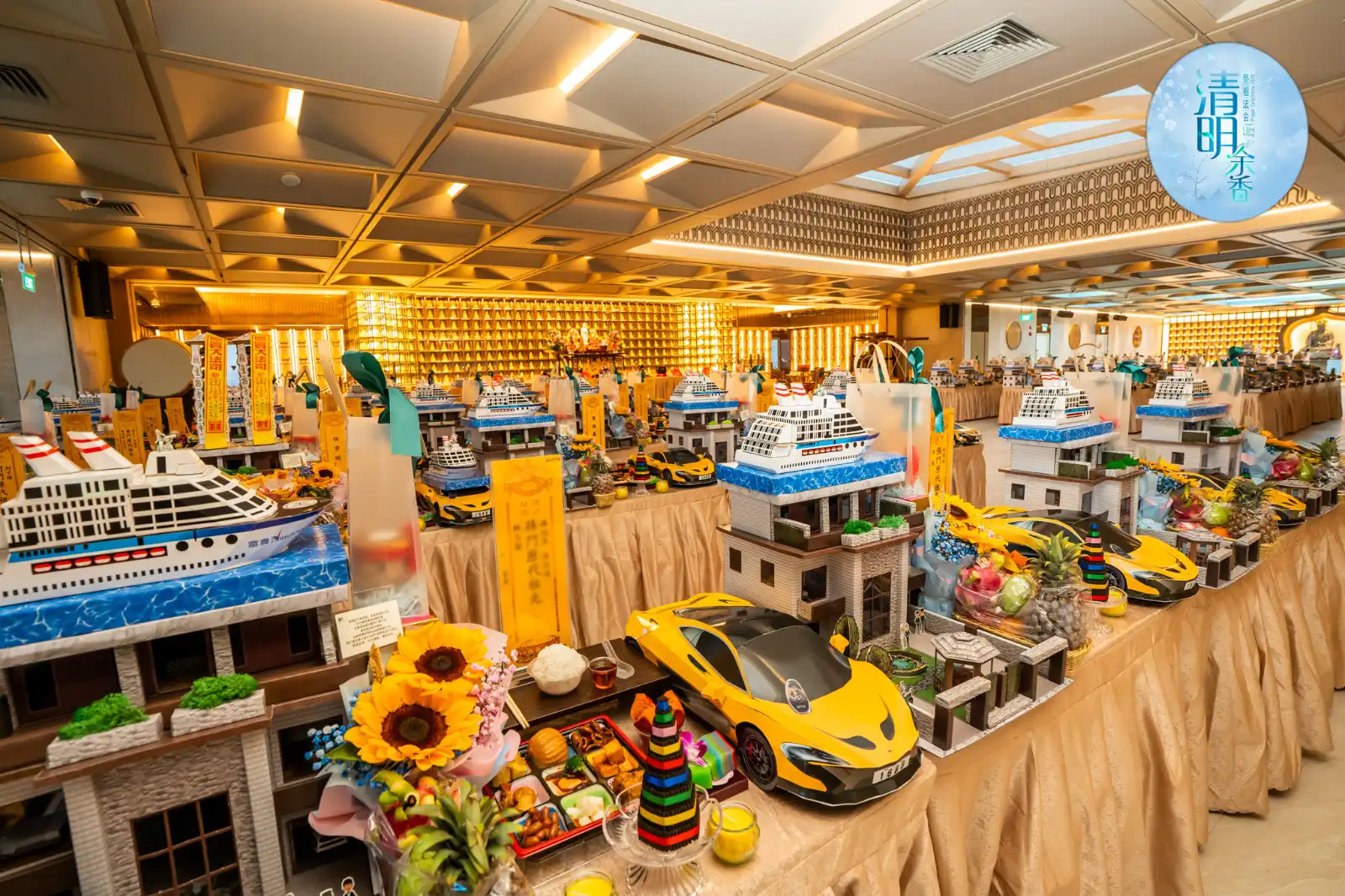
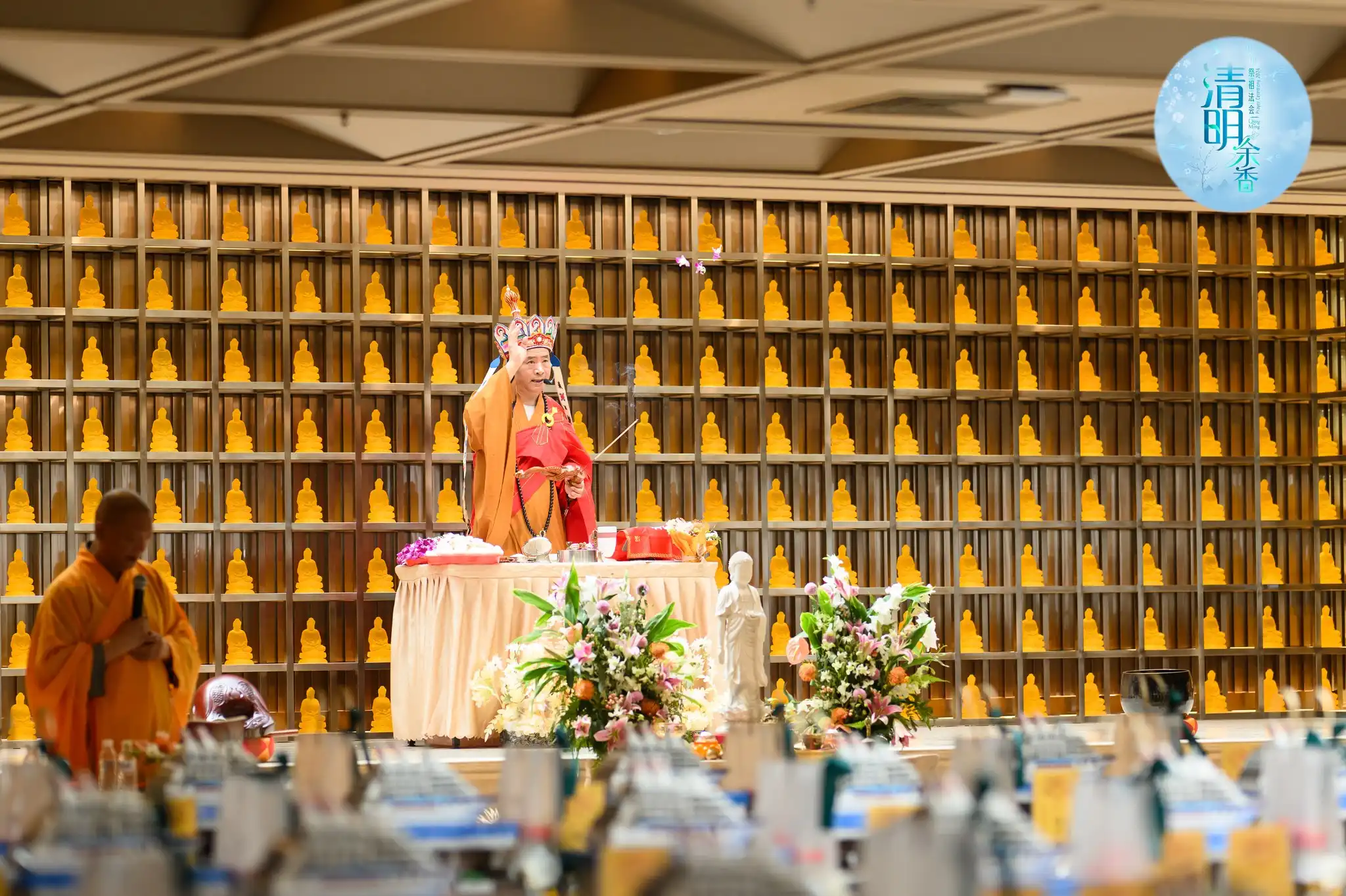
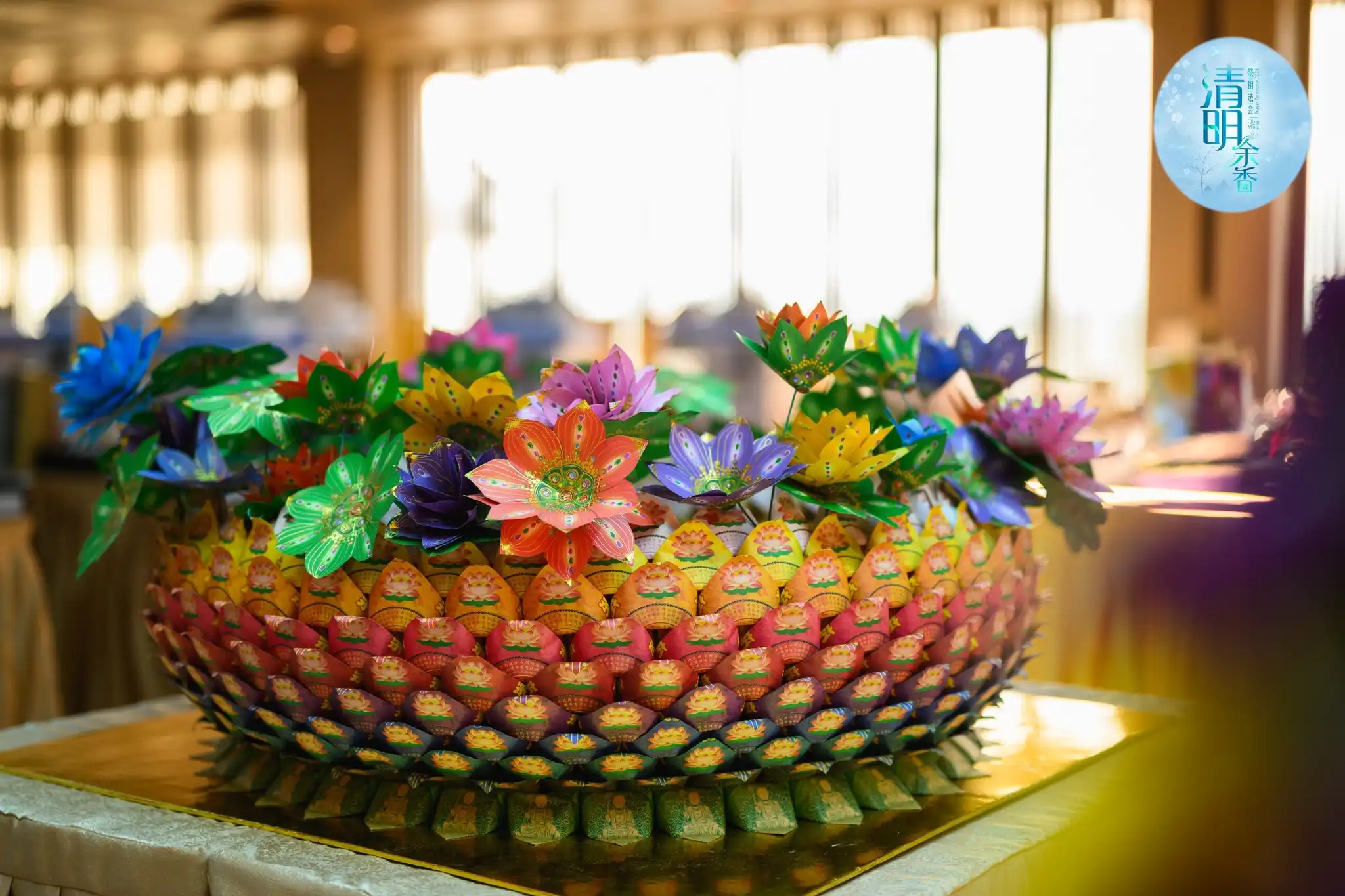
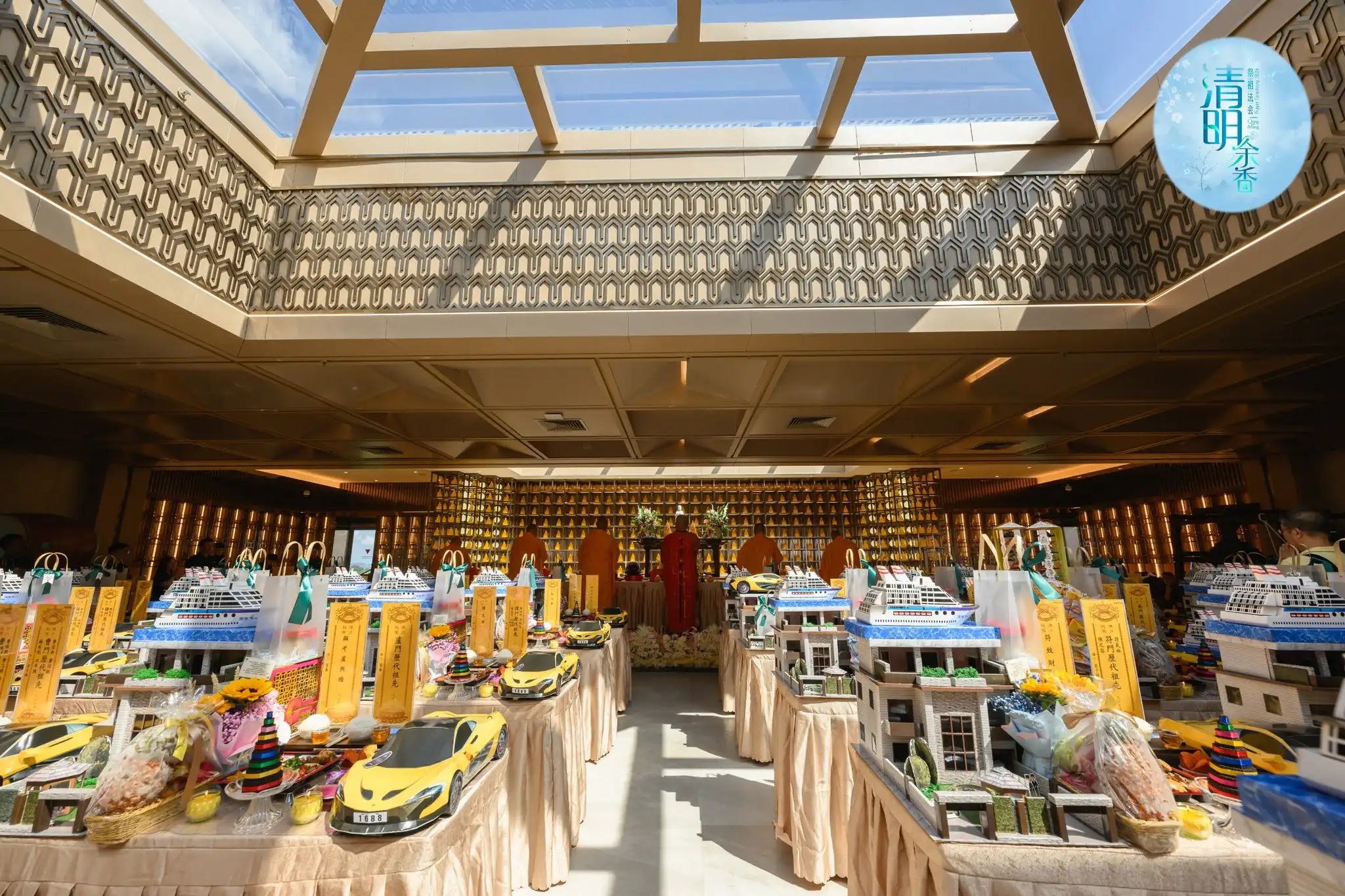
Read More灵山寺图片画廊
Frequently Asked Questions
Qing Ming is All Souls’ Day for the Chinese. It is a time to remember the departed and to pay respects to one’s deceased ancestors and family members. As it emphasises filial piety, Qing Ming is a major Chinese festival with many Chinese visiting the cemeteries of relatives.
During Qing Ming , you should avoid wearing bright colors (especially red), laughing loudly, making jokes, or taking selfies at gravesites to show respect for ancestors; also, refrain from stepping on graves, moving offerings prematurely, buying shoes, or hosting celebrations, as it’s a solemn time for remembrance, not festivity, with recommendations to finish tomb visits by late afternoon and avoid spiritual “weak” individuals like young children or pregnant women from attending.
The gift that cannot be given during the Qing Ming festival is a clock or watch. The reason is based on a linguistic taboo, the Mandarin phrase for “giving a clock” is sòng zhōng (送钟), which sounds exactly like sòng zhōng (送终), meaning “to attend a funeral rite” or “to care for a dying elderly person”. Offering a timepiece is therefore highly displeasing, as it implies a wish for the recipient’s life to end. So instead of gifting the clock or a watch, instead sell it to the recipient for a dollar to prevent this taboo.
The Qing Ming Festival, literally meaning Pure Brightness Festival, takes place on the fifteenth day after the spring equinox. As a holiday devoted to remembering and honoring the deceased, people sweep and decorate gravesites, burn incense.
Filial piety and ancestral worship are emphasised during Qing Ming. Visiting cemeteries and columbaria with food and other offerings for deceased relatives marks this important period of remembrance.
The Qingming Festival is both solemn and joyous, combining aspects of sadness and happiness. It is a day for honoring deceased ancestors with respect and remembrance, while also celebrating the renewal of spring and the continuity of family life.
Praying to the ancestors in Qing Ming Festival is not only to cherish the memory of the ancestors, but also to share with the next generations the kindness of the ancestors. From ancient times to the present, the Chinese have never stopped respecting and remembering their ancestors.
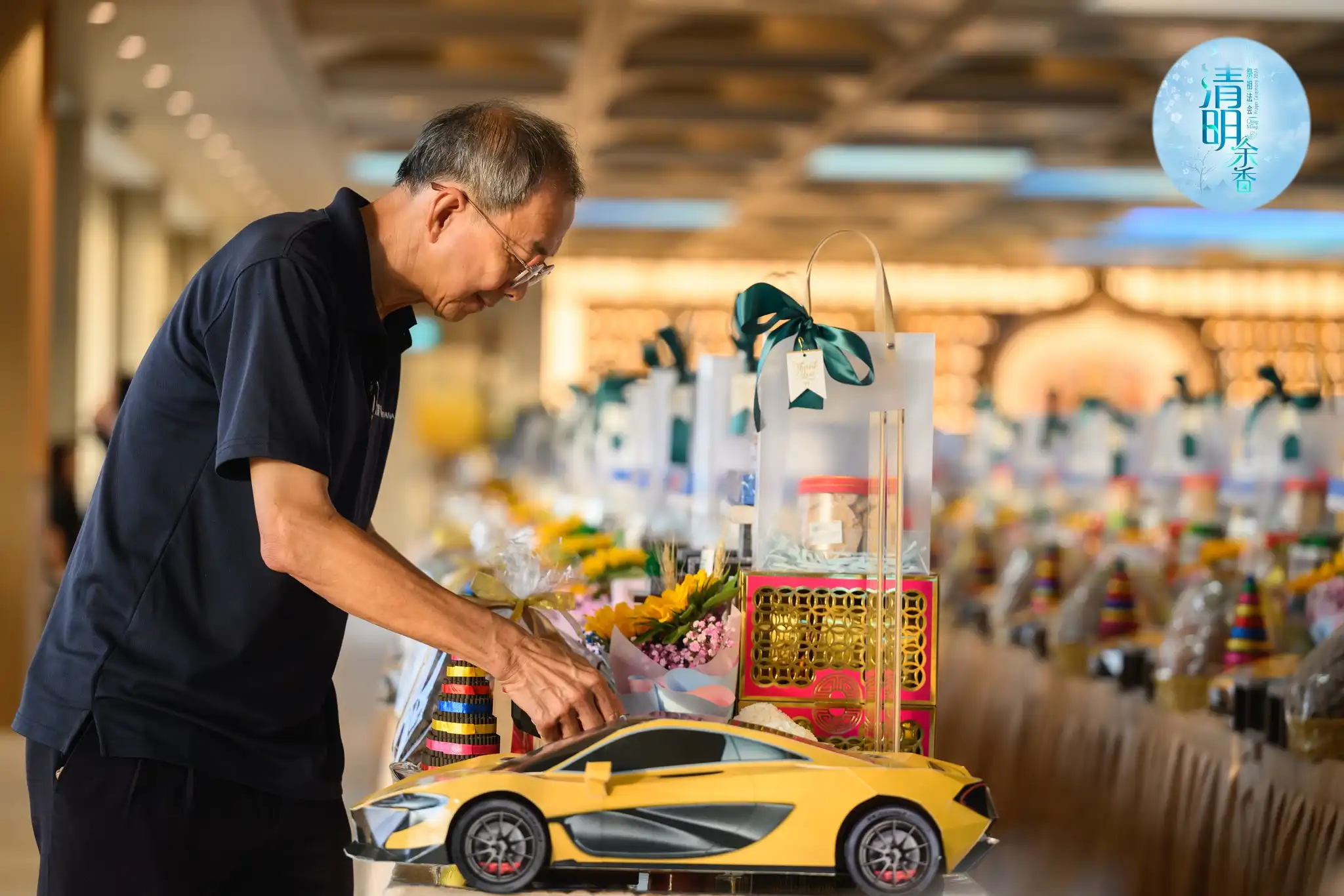
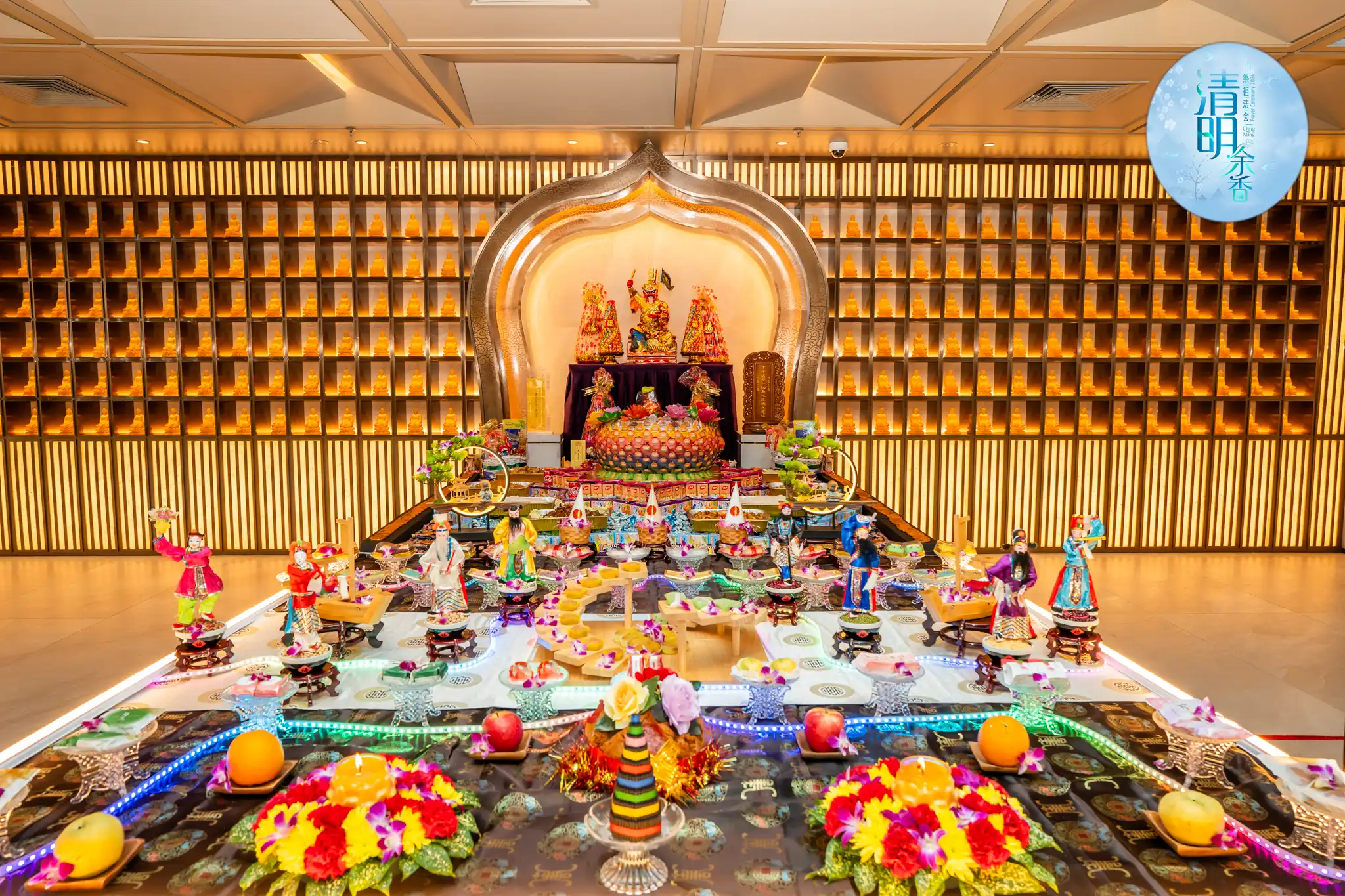
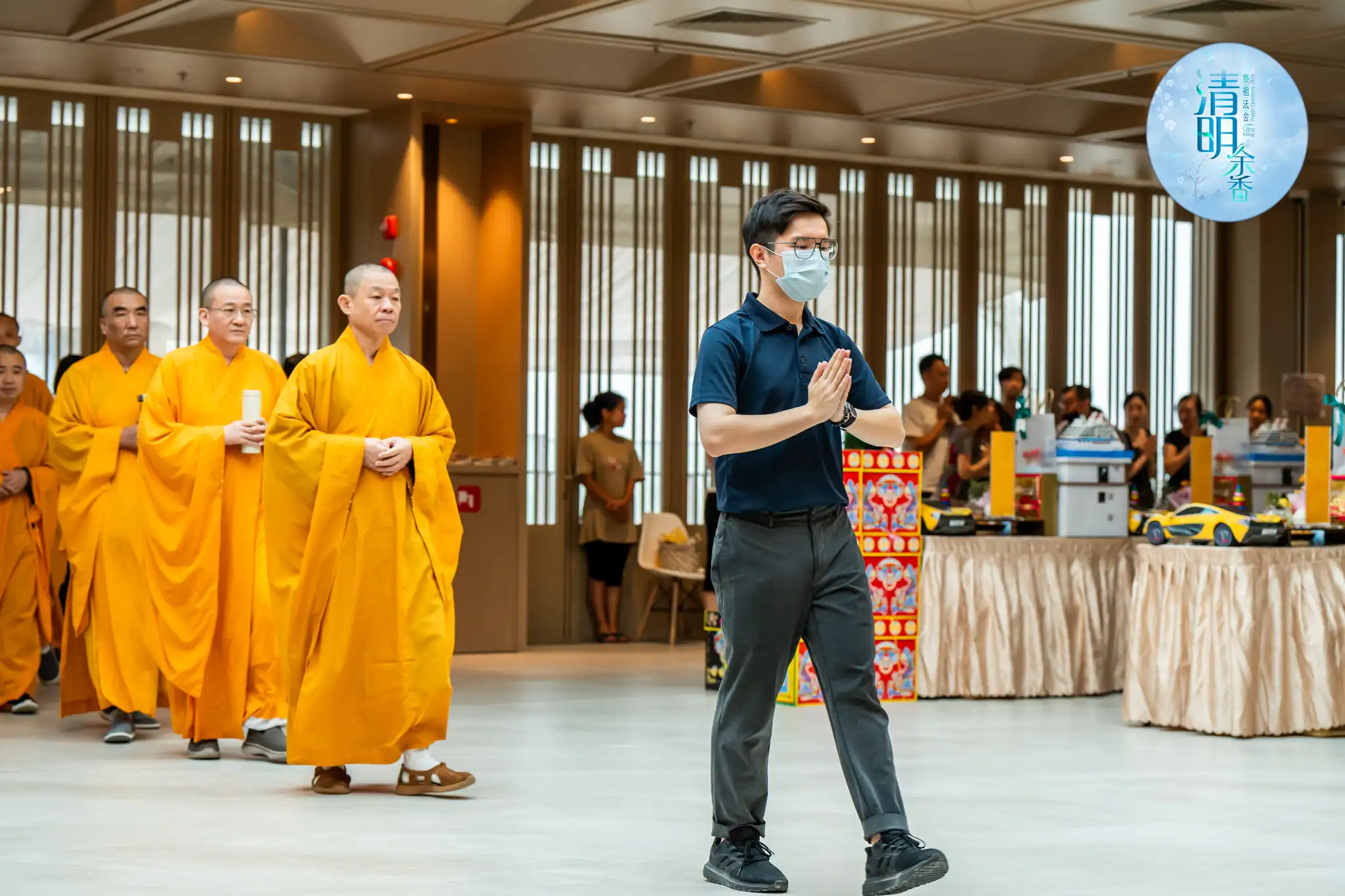
Qing Ming Festival Gallery