Zhong Yuan Enlightenment Ceremony
Express gratitude and prudence to your deceased loved ones and help them to move towards liberation and rebirth with our thoughtful Enlightenment Ceremony packages, providing caring support for your peace of mind.
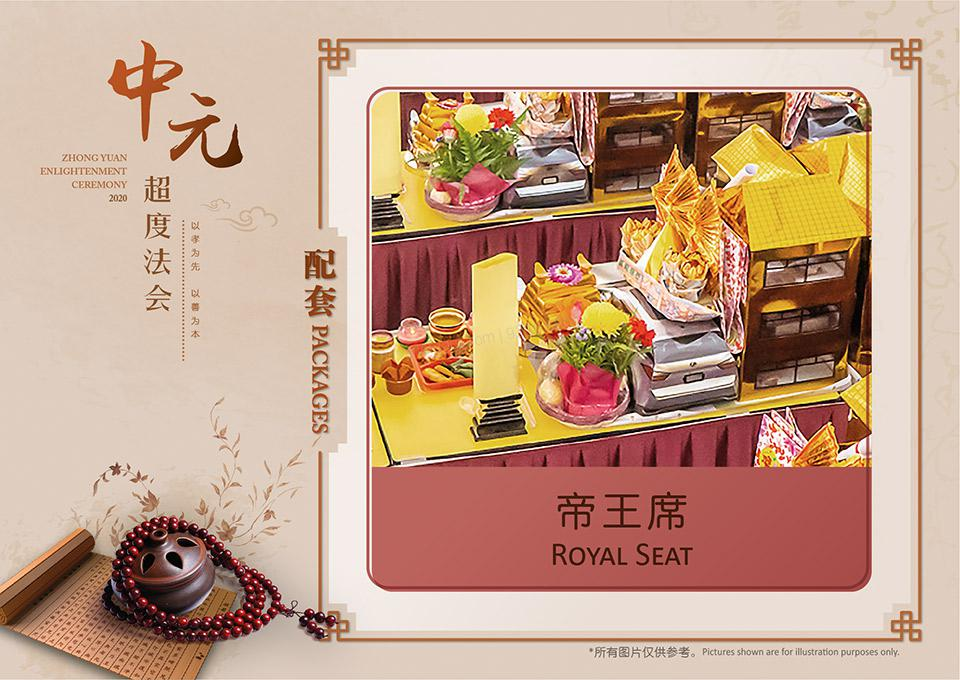
Royal Seat
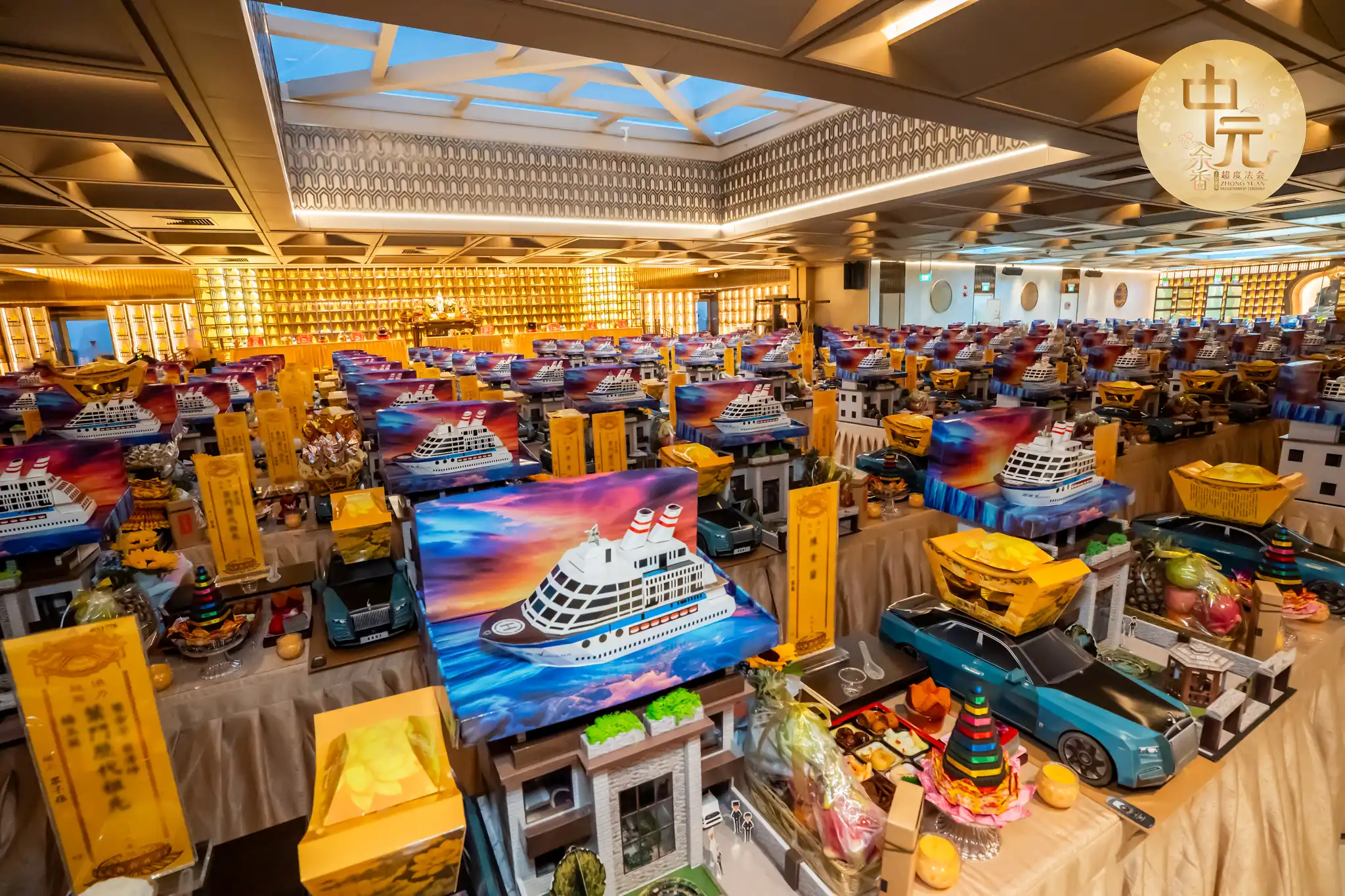
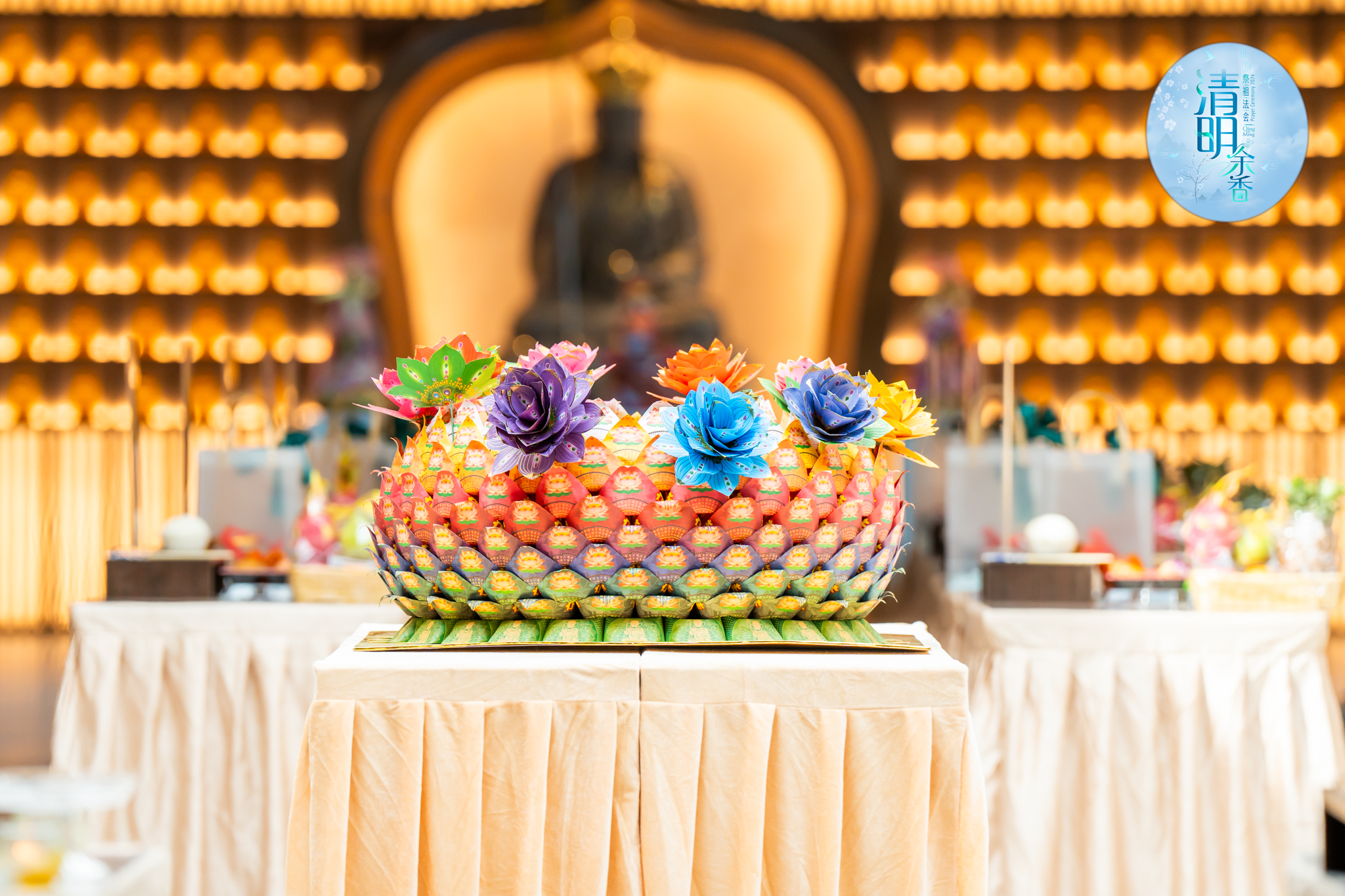
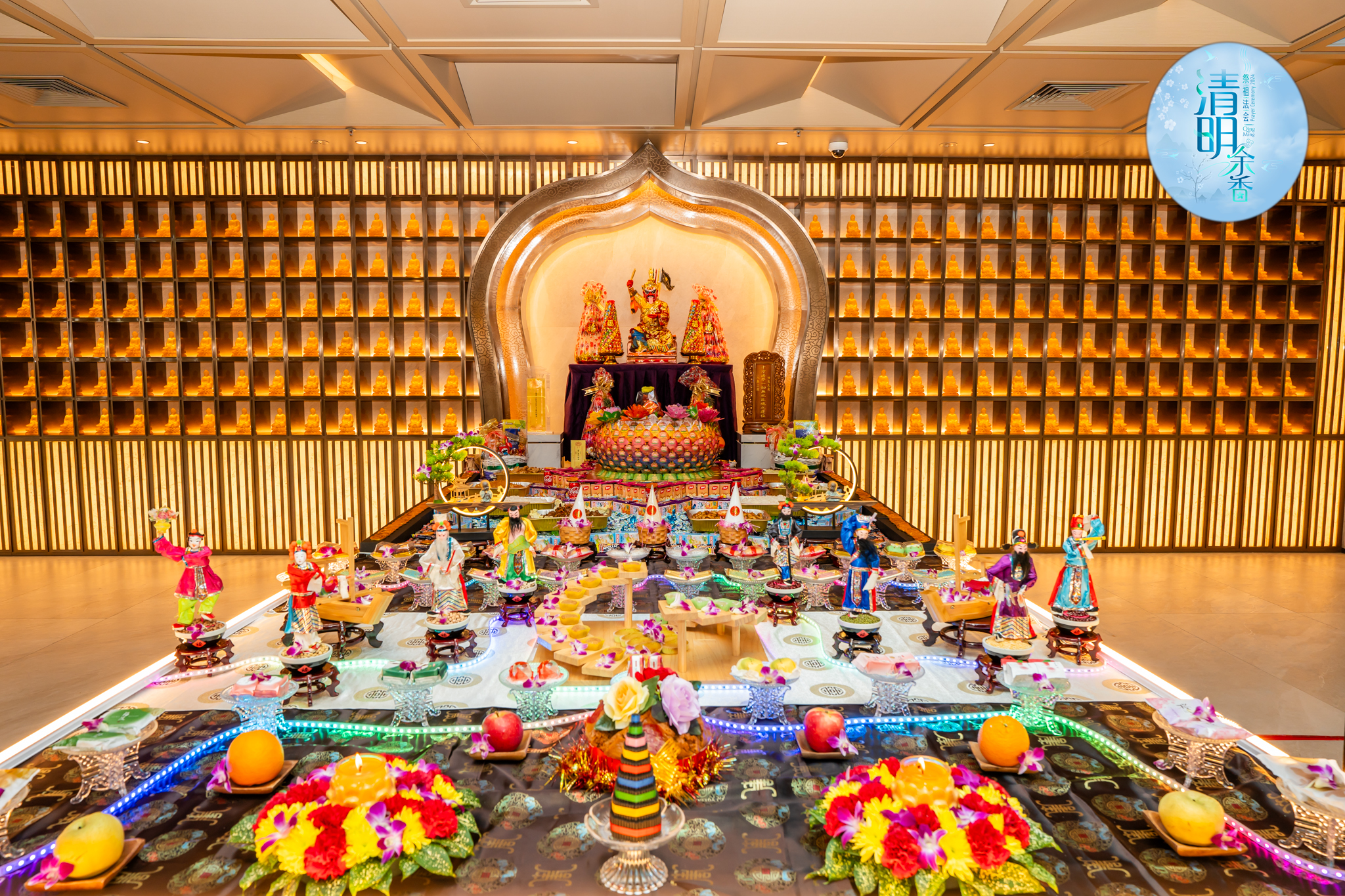
Honour your ancestors with this prestigious table-style package, including two exclusive Lian Wei tablets, fresh flowers, fruits, six incense candles, and premium paper offerings. Guide your ancestors to the pure land of Buddhas while bringing blessings and serenity to your family.
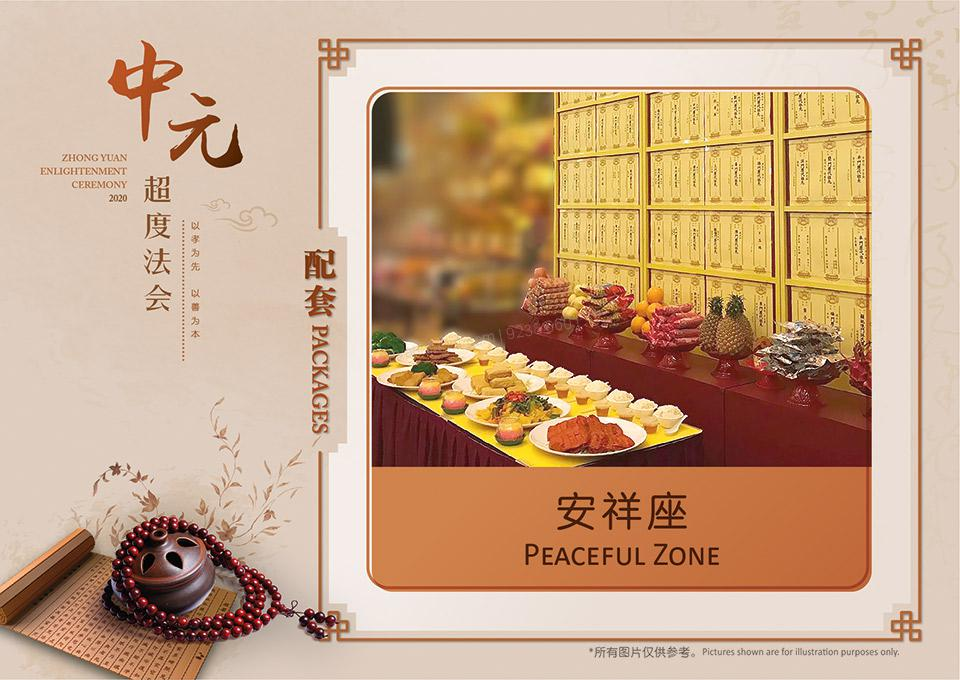
Peaceful Zone
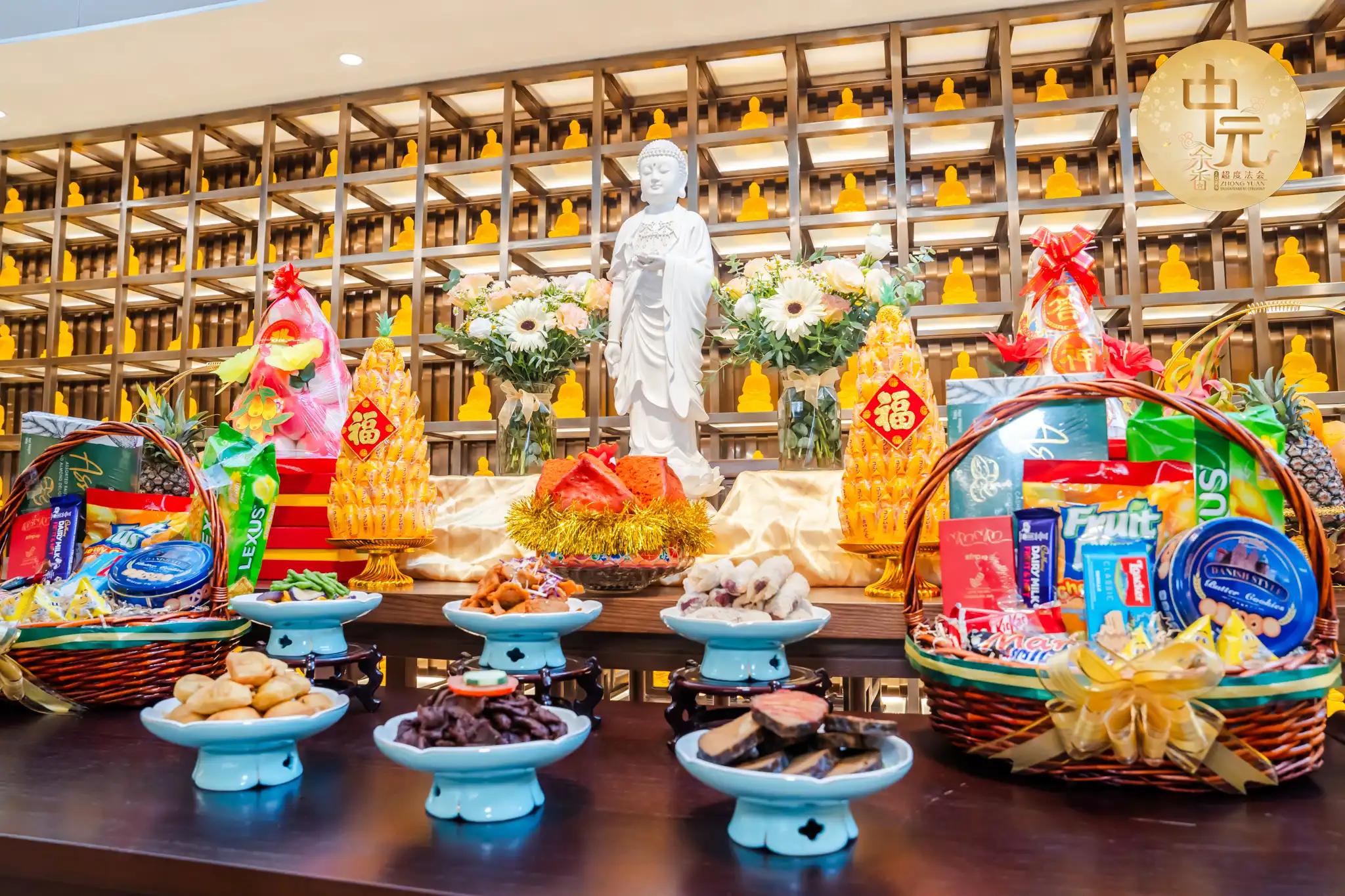
Provide a tranquil tribute with the Peaceful Zone package, located in front of the Buddha’s platform. It features a large Lian Wei and six vegetarian food and fruit offerings, helping your ancestors receive blessings and eternal peace.
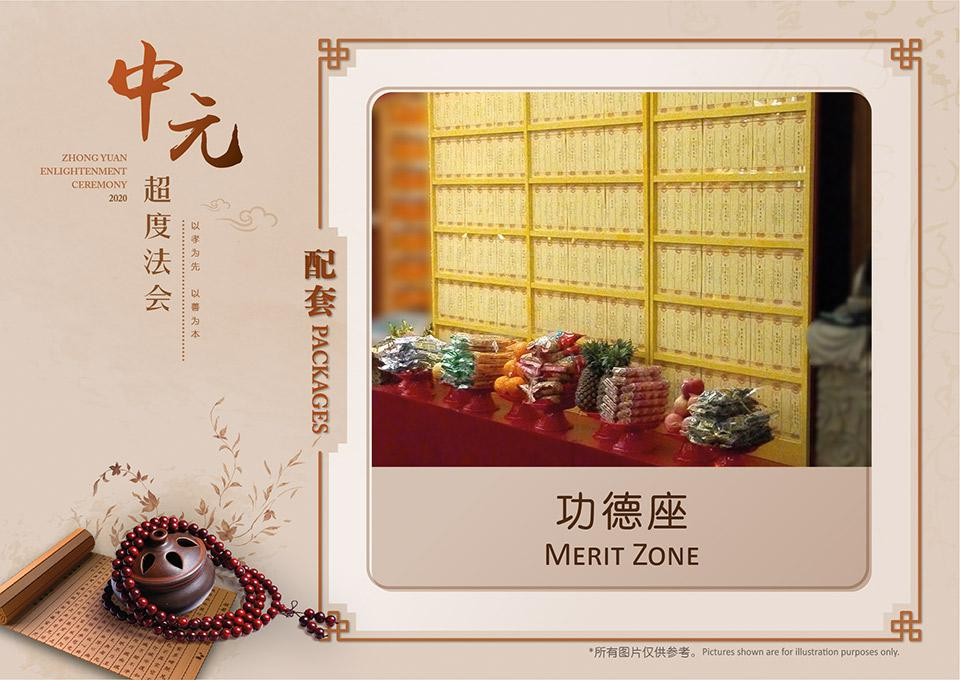
Merit Zone
Support your ancestors’ spiritual journey with the Merit Zone package, positioned along the Buddha’s side walls. This package includes a medium-sized Lian Wei and six vegetarian food and fruit offerings to guide them toward understanding and tranquillity.
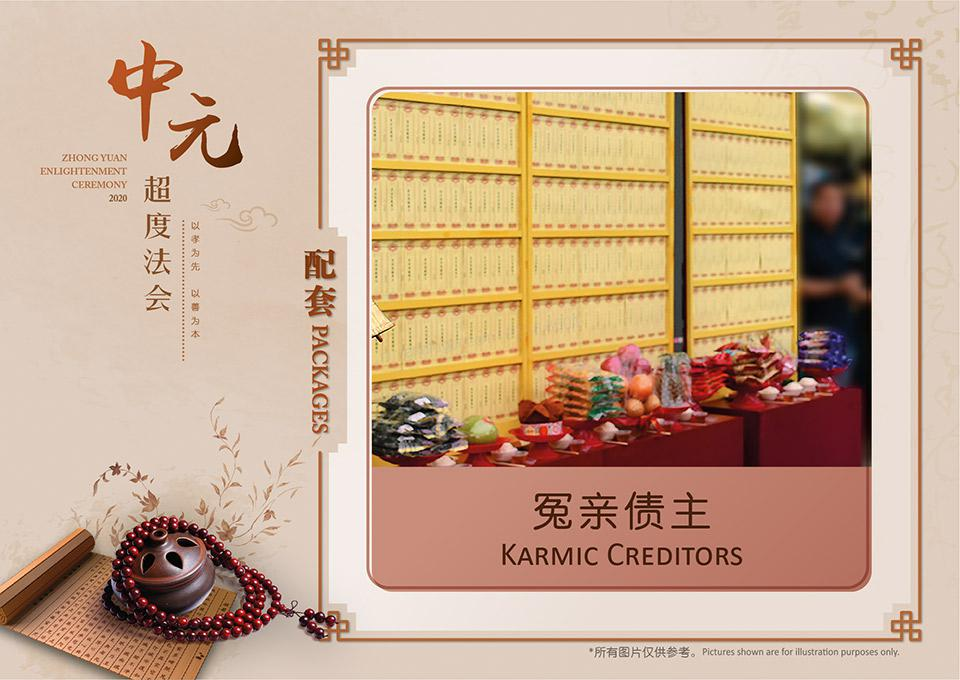
Karmic Creditors
Address lingering karmic ties with a transformative Puja designed to bring balance and release. By resolving past entanglements, this ceremony fosters peace and happiness for you and your family.
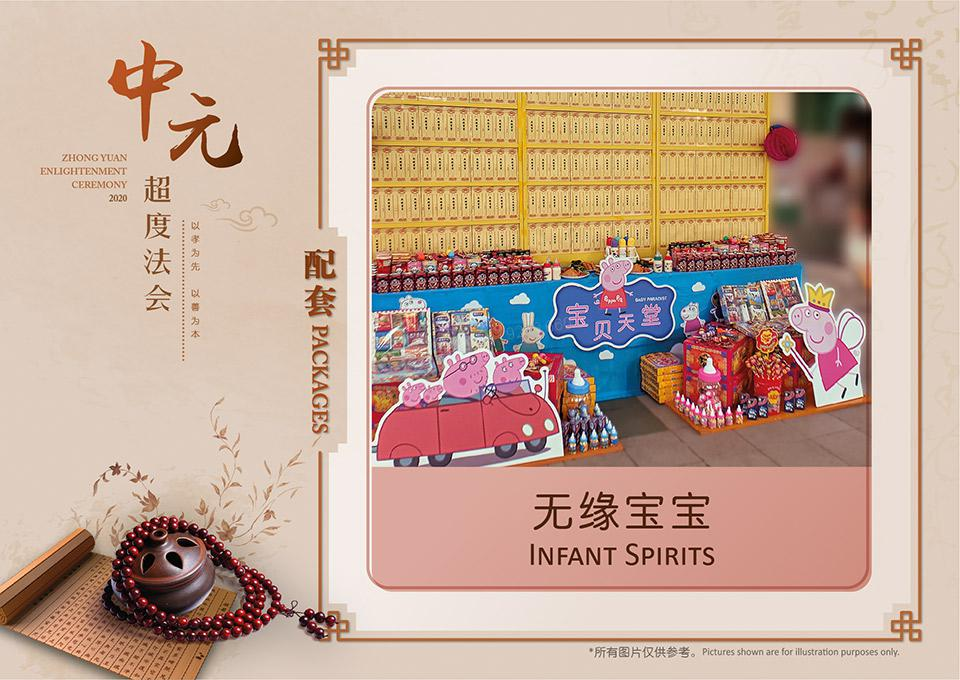
Infant Spirits
Offer compassion to infant spirits with prayers to Ksitigarbha Bodhisattva. This ceremony gently resolves grievances, guiding them to the pure land, and bringing comfort and healing to your family.
UPDATES
Zhong Yuan Enlightenment Ceremony Activities
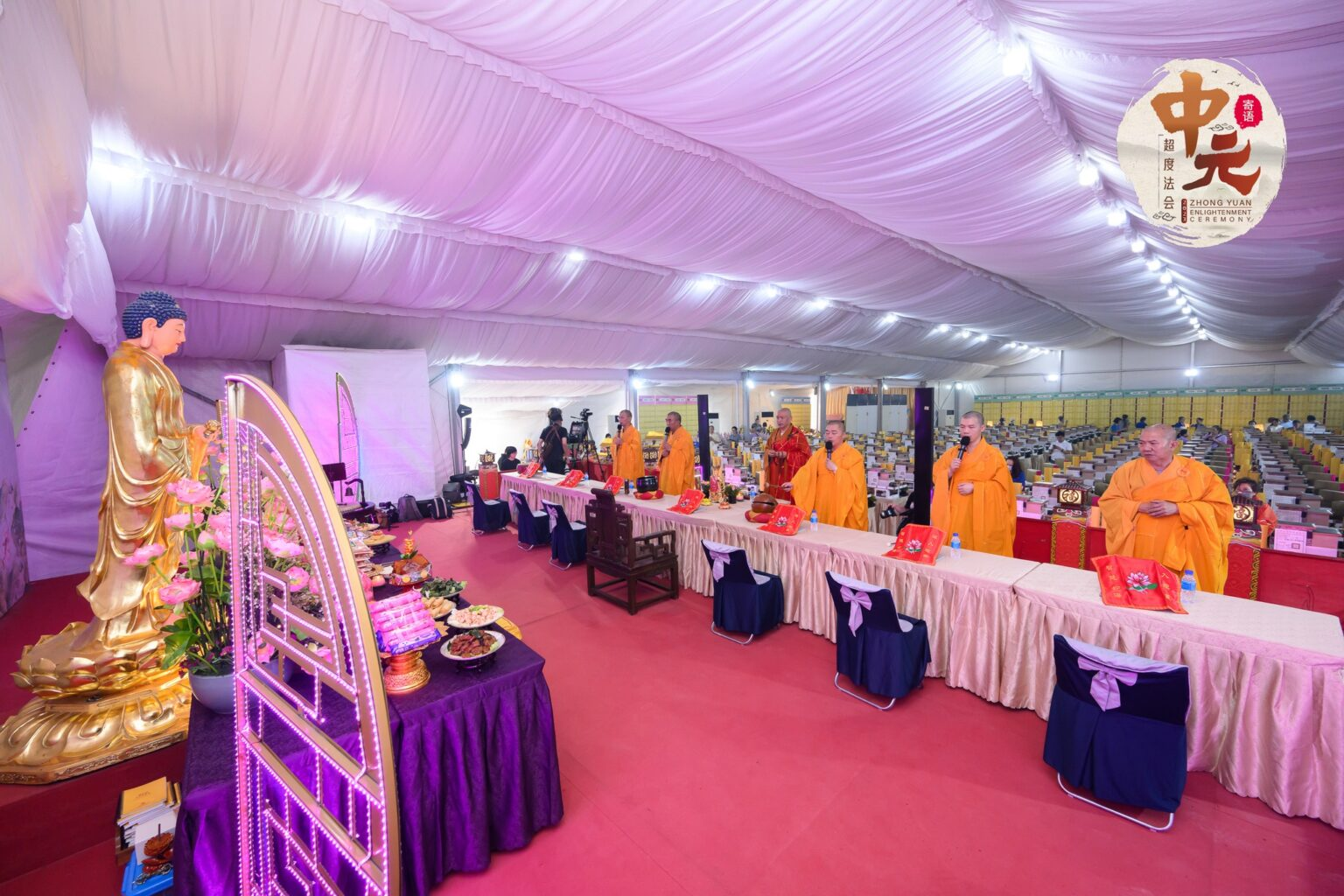
Held annually from 9th to 11th August at Nirvana Memorial Garden, this ceremony embodies filial piety and compassion. Through meritorious deeds, we honour the deceased, guiding them towards a better rebirth, while offering prayers for the well-being and harmony of the living.
Read MoreGallery
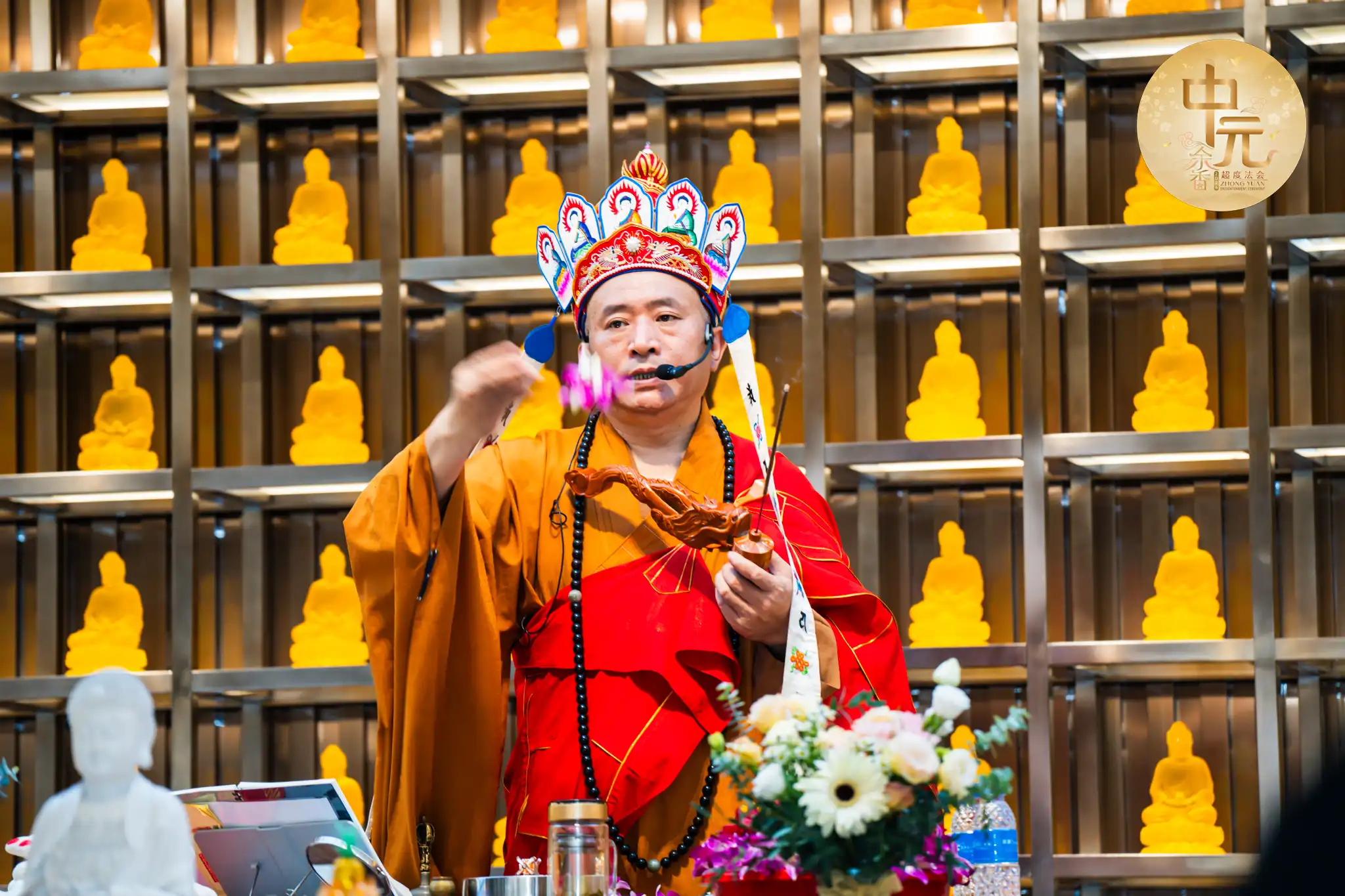
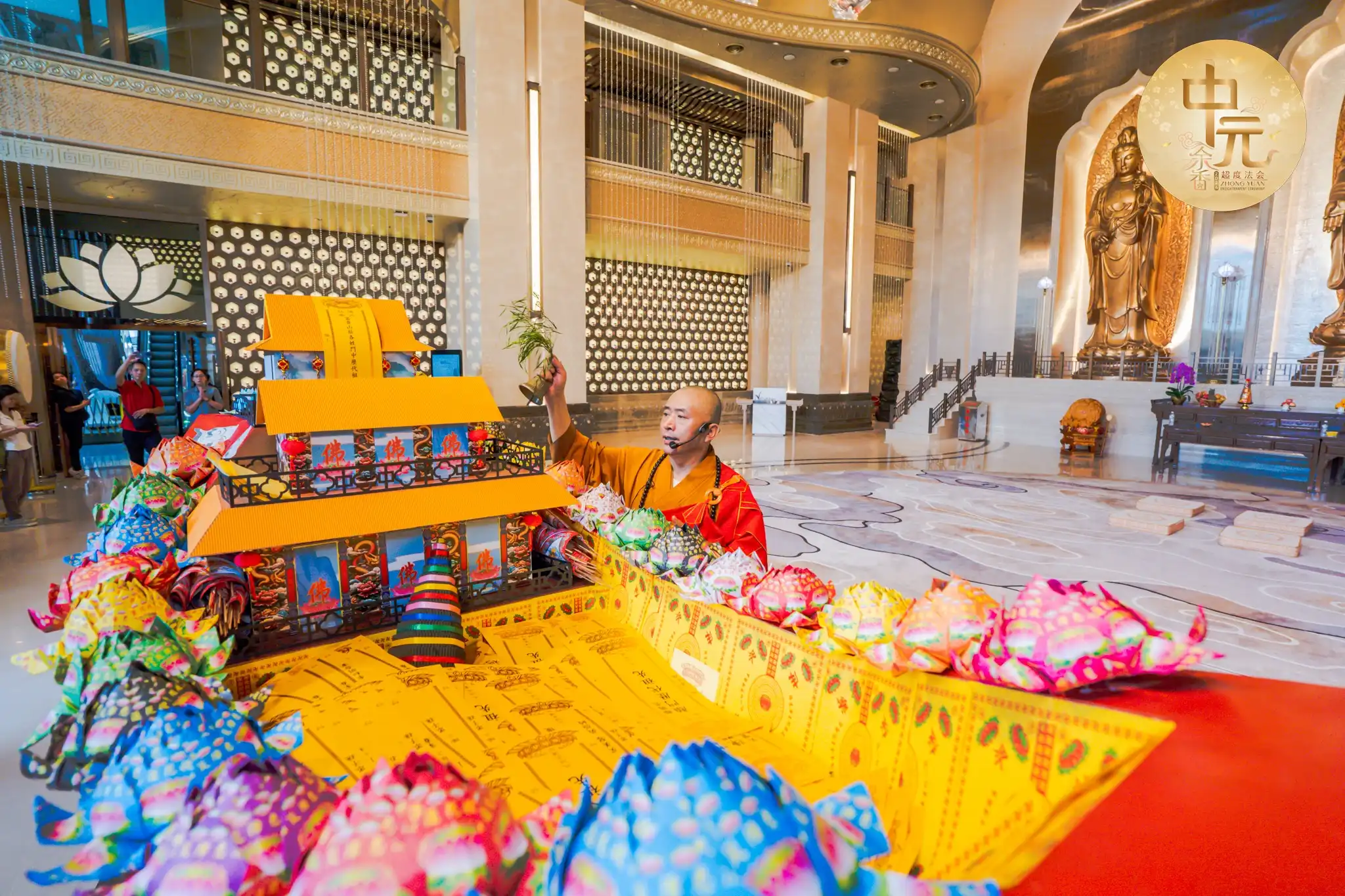
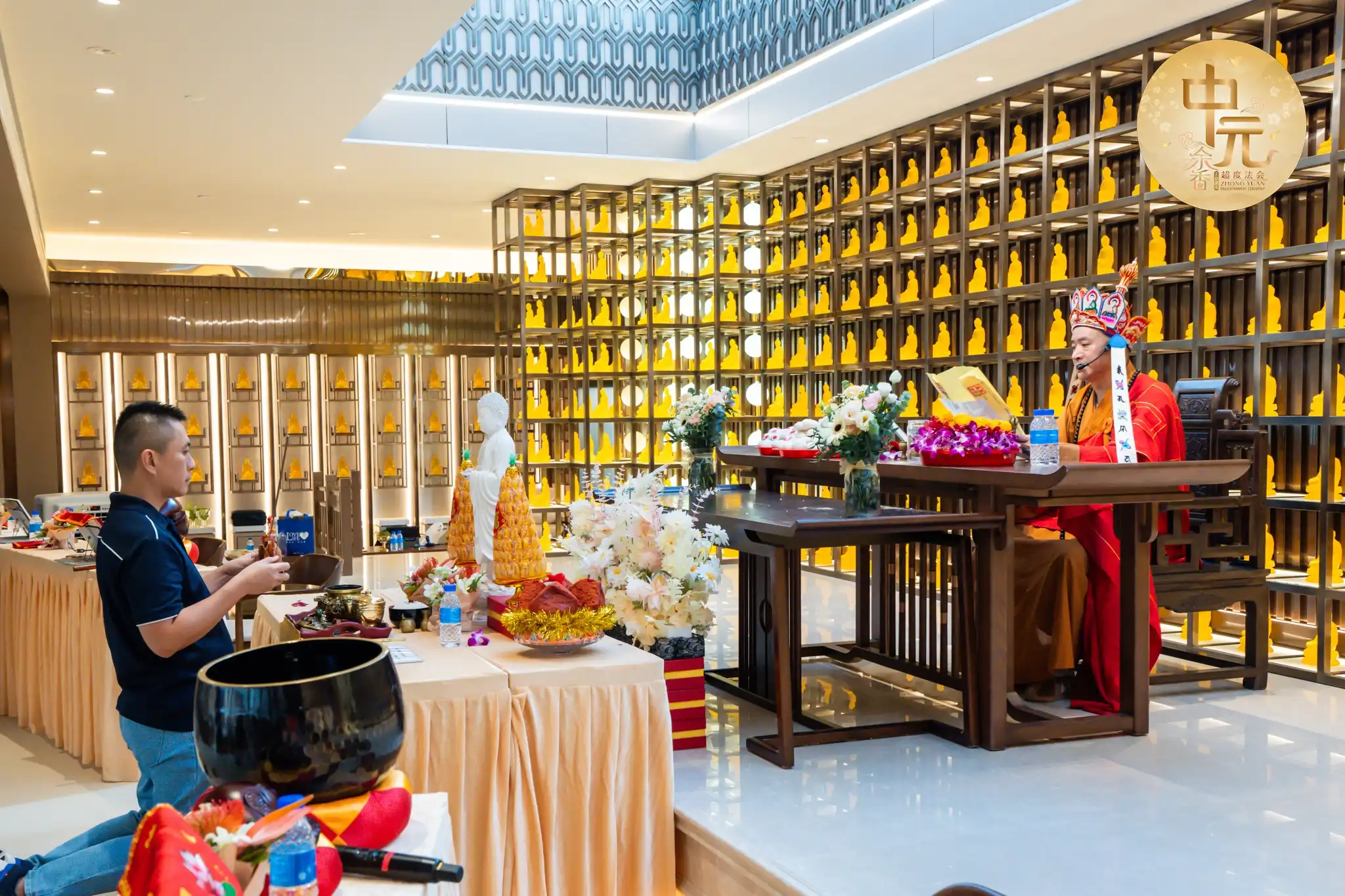
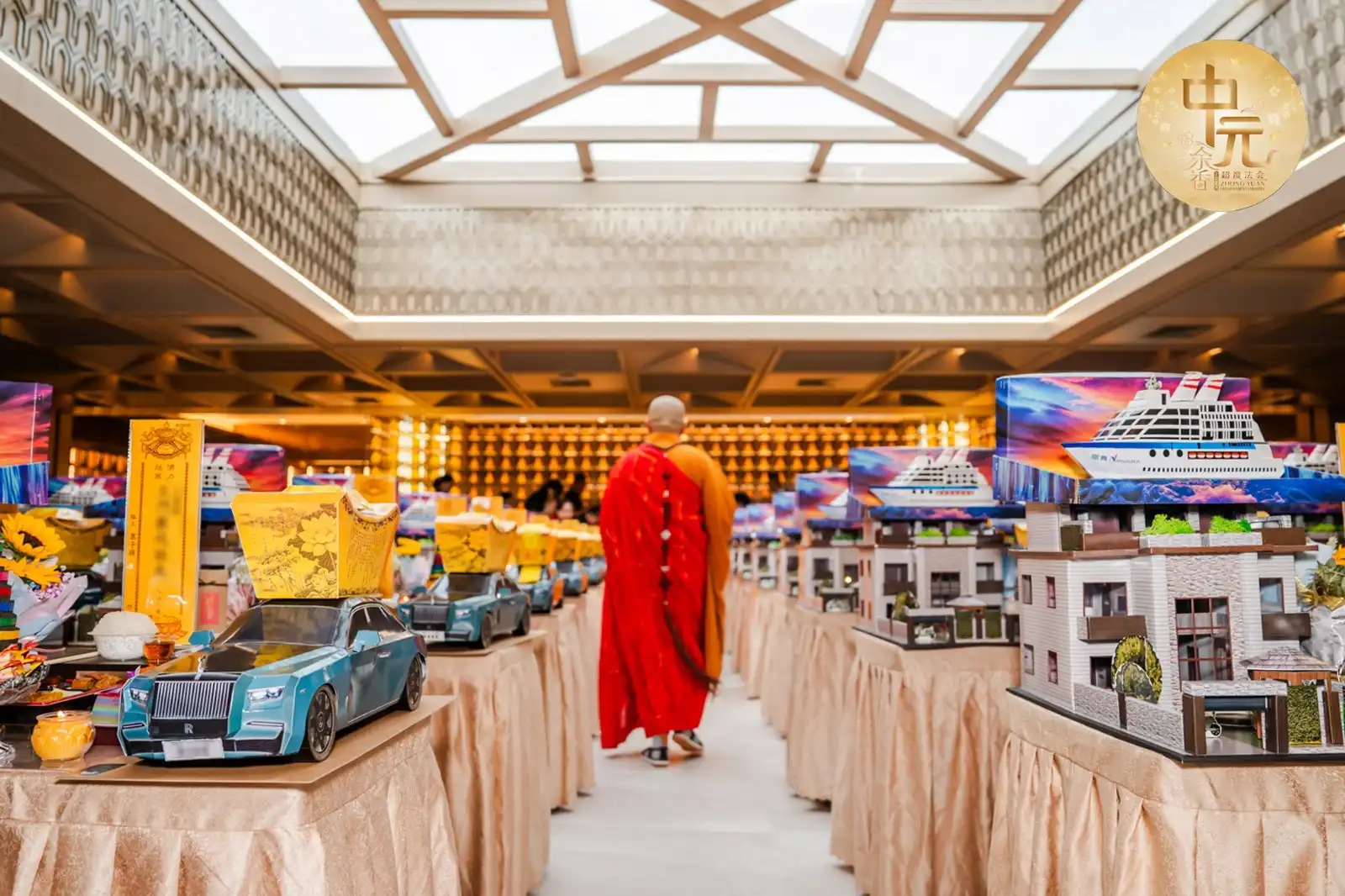
Enlightenment Ceremony Gallery

Frequently Asked Questions
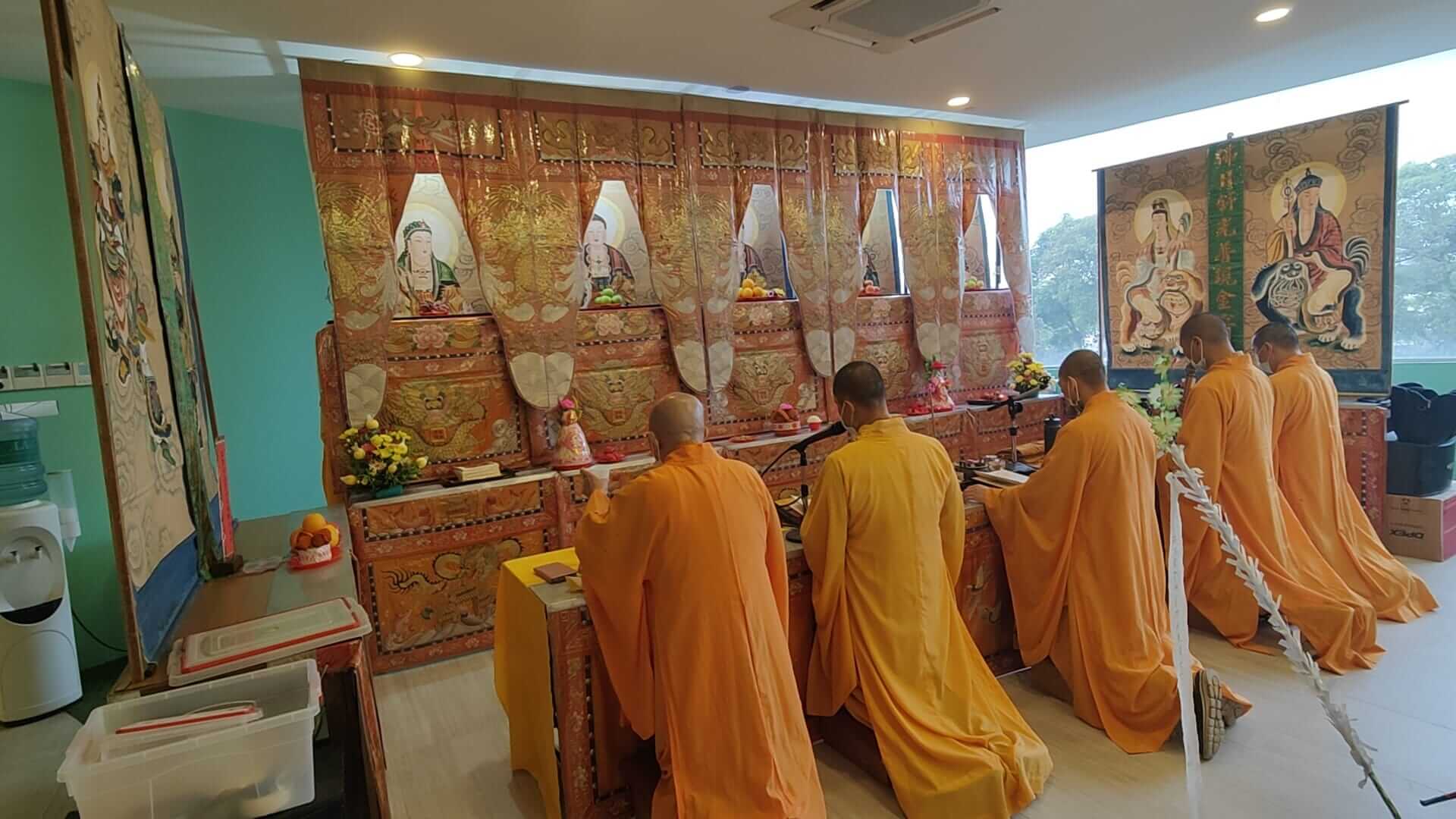
Enlightenment ceremonies are sometimes known as particular burial services, Zhong-Yuan rituals or Ullambana rites. Monks lead religious rituals like confession, offerings, chanting and scripture recitation at this event. Its main goal is to acquire vast spiritual merit and dedicate it to all beings in order to heal their suffering, ease their karmic burdens and bring them peace or a more favourable rebirth.
The ceremony brings blessings to both the departed and the living. It may be dedicated to:
-Those who have recently passed away
-Ancestors who left this world long ago
-Infant or unborn spirits
-Cherished pets, as well as any unseen karma connections since compassion in these rites extends without bounds
No, even while the ritual may focus on aiding the deceased, there are significant advantages for the living as well. It includes hearing the Dharma and experiencing deeper peace of mind, enhanced well-being, protection from challenges and increased compassion.
These ceremonies can be conducted at any time and large public observances are typically conducted once a year and most commonly during the seventh lunar month. It’s also known as the Zhong Yuan Festival or Ullambana. Private rites may follow traditional death cycles, such as every seven days and up to the 49th day.
Yes, non-Buddhists are generally welcome to attend. It is appropriate to call ahead to confirm if visitors are welcome at a specific observance.
Common offerings include incense, flowers and candles, symbolizing respect and the impermanence of life. It is also customary to provide vegetarian meals during the mourning period.
The ceremony includes a range of traditional and religious belief:
– Chanting Buddhist sutras and prayers often led by respected monks or masters.
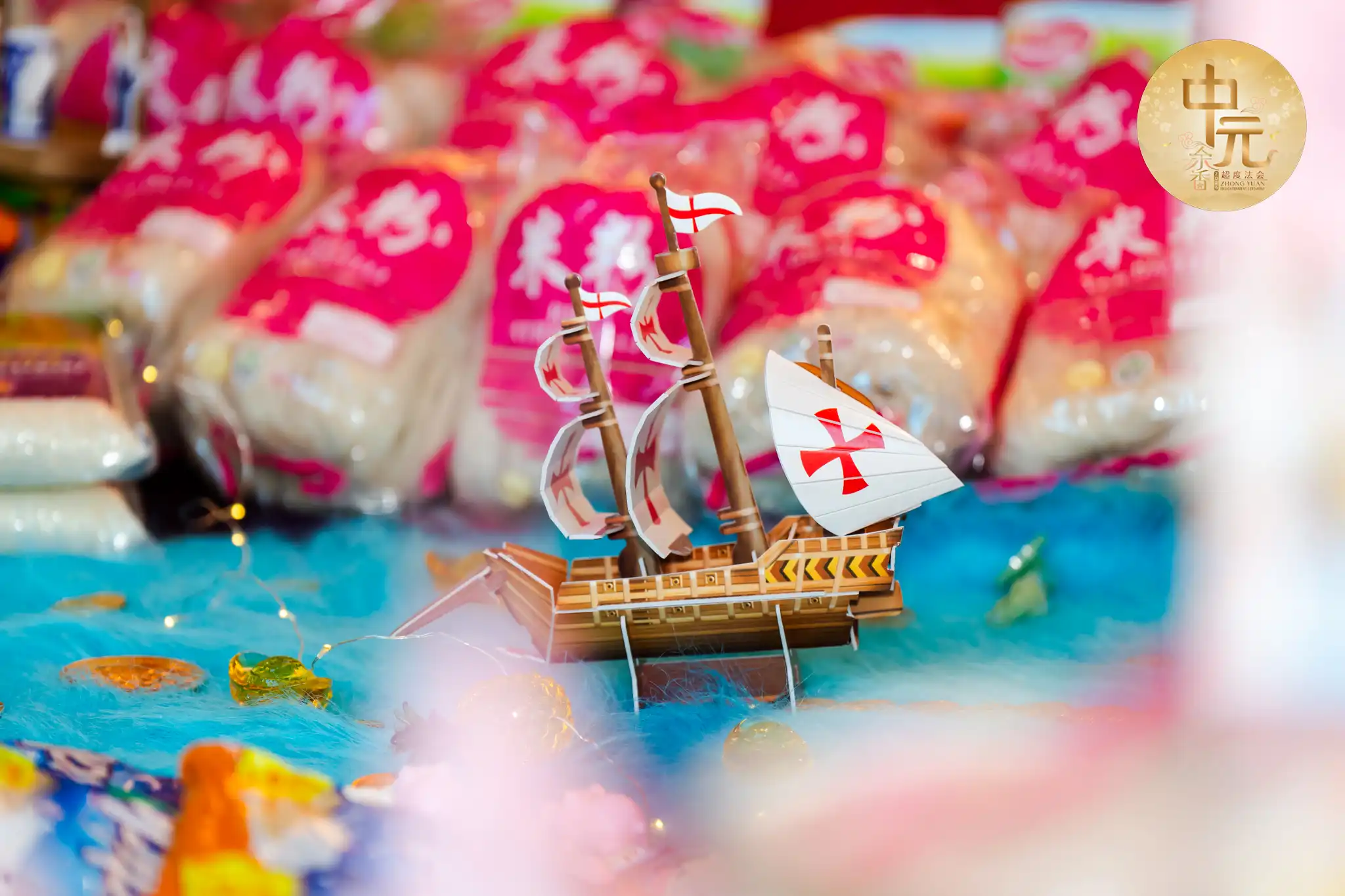
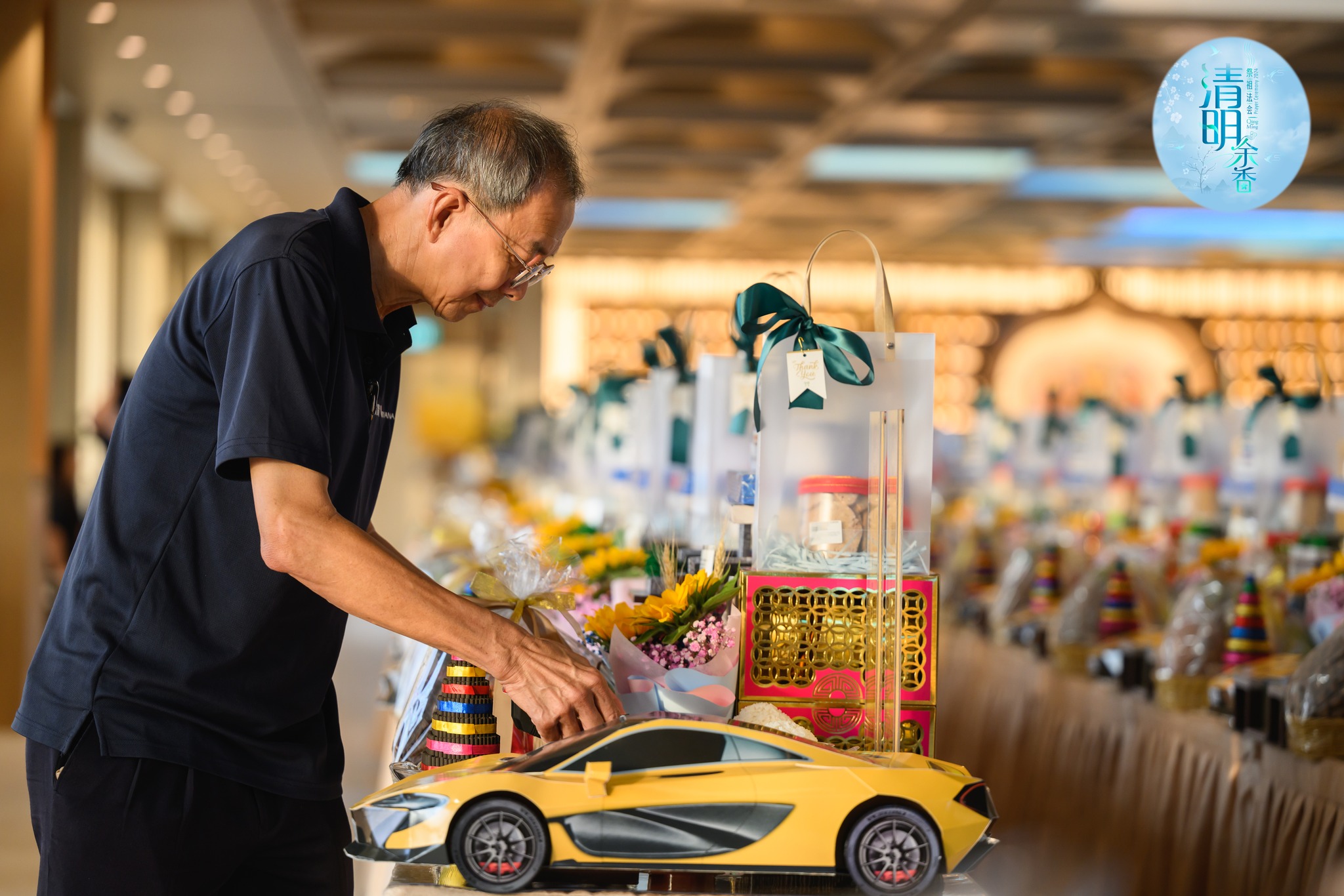
– Making offerings of food, incense, joss paper and symbolic items (such as paper houses or cars) for the deceased to use in the afterlife.
– Performing merit dedication rituals and light offerings.
– Honoring and placating spirits through festive activities, including traditional opera or modern “getai” performances.
– Conducting auctions for auspicious items, believed to bring wealth and prosperity to the participants.