Other Ceremonies
We provide meaningful prayers, including Vesak Day and Double Ninth Festival, to honour departed loved ones and pray for the well-being of the living.
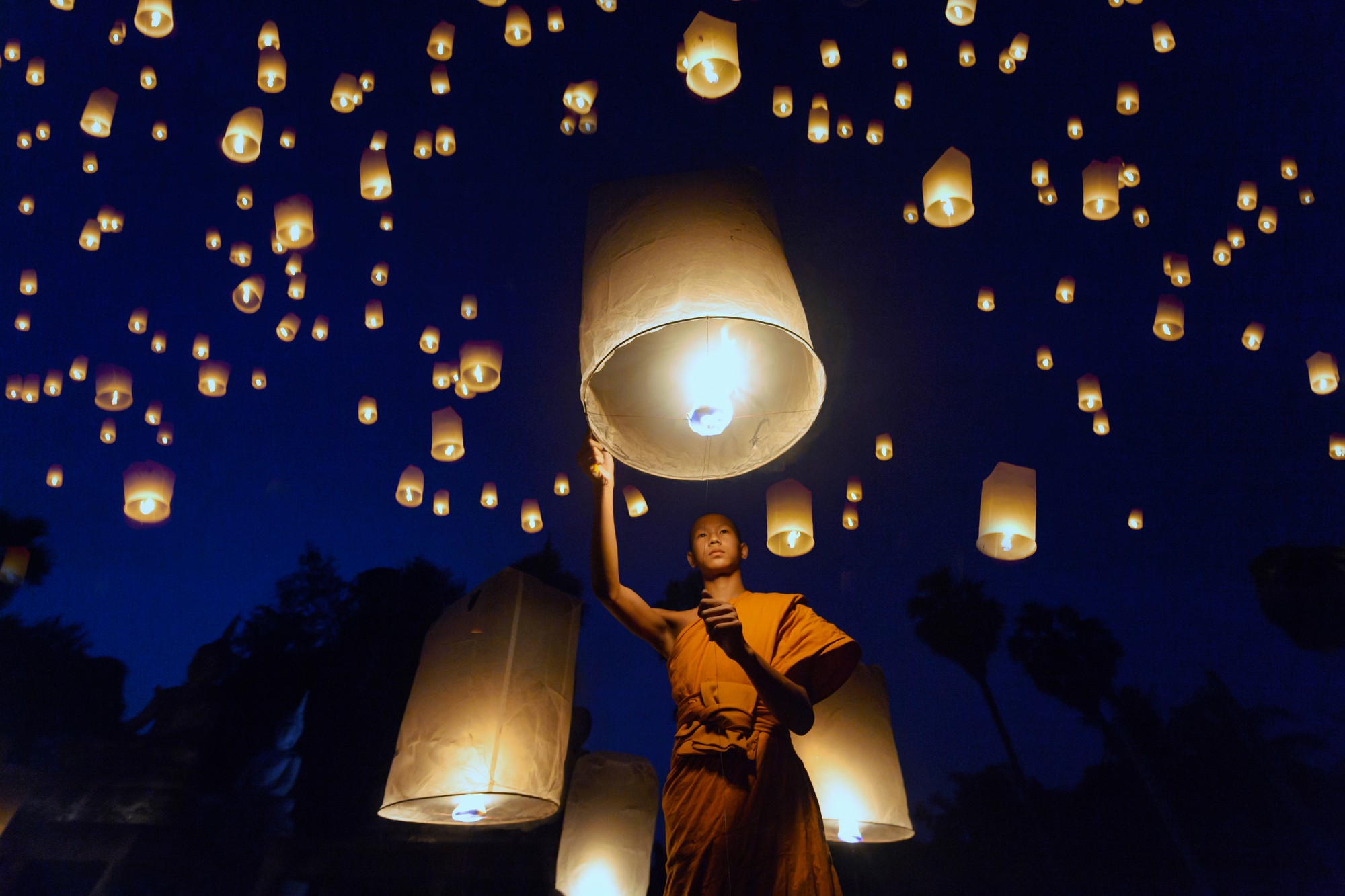
Vesak Day
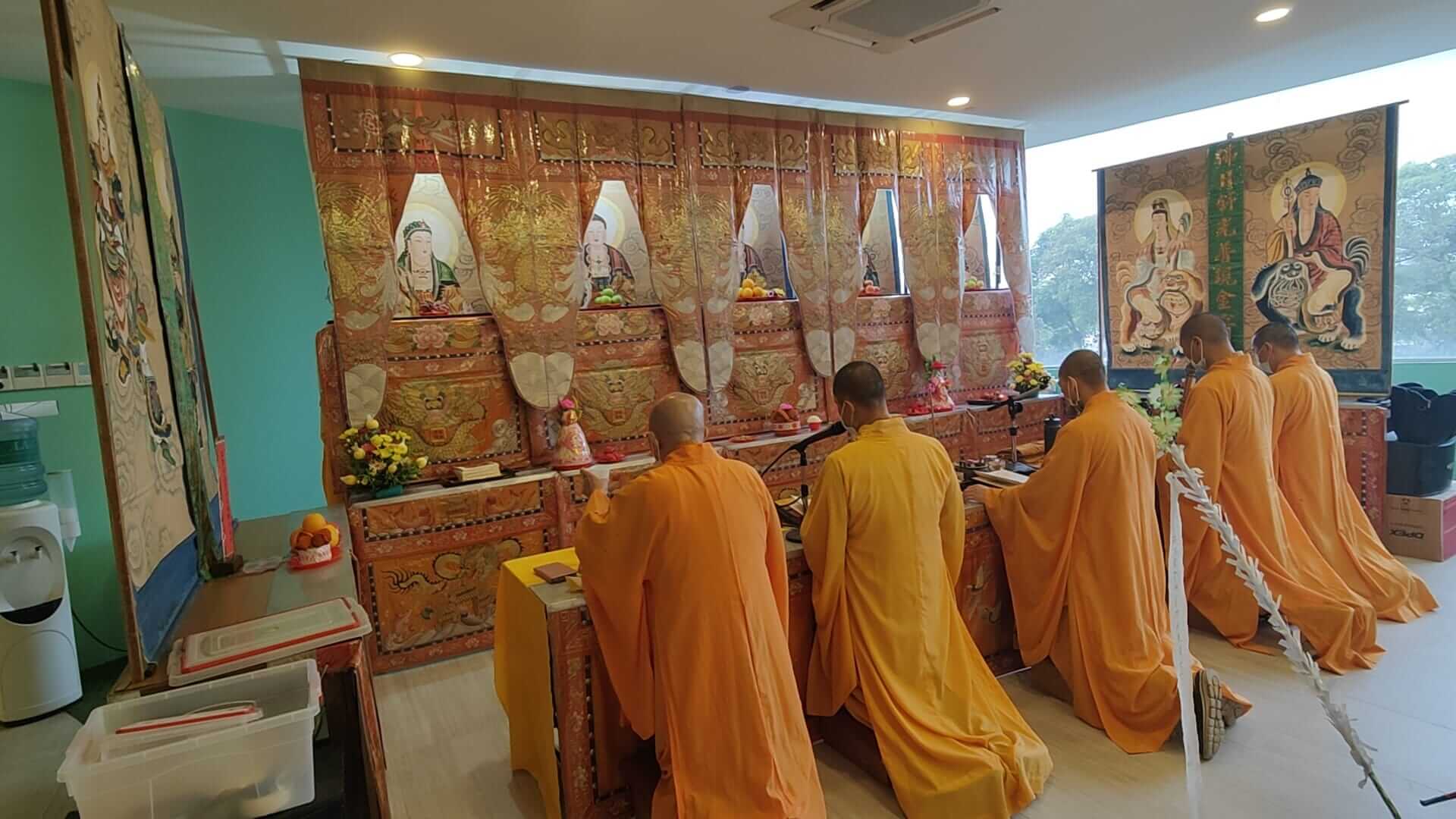
Vesak Day is a deeply significant day in the Buddhist calendar, dedicated to commemorating the birth and enlightenment of Buddha. At Nirvana Memorial Garden, we hold annual ceremonies in honour of this sacred occasion, which include chanting of merits and lighting prayers for the health and safety of all.
If you would like more information about our Vesak Day prayer services, our dedicated and compassionate team is here to support you every step of the way.
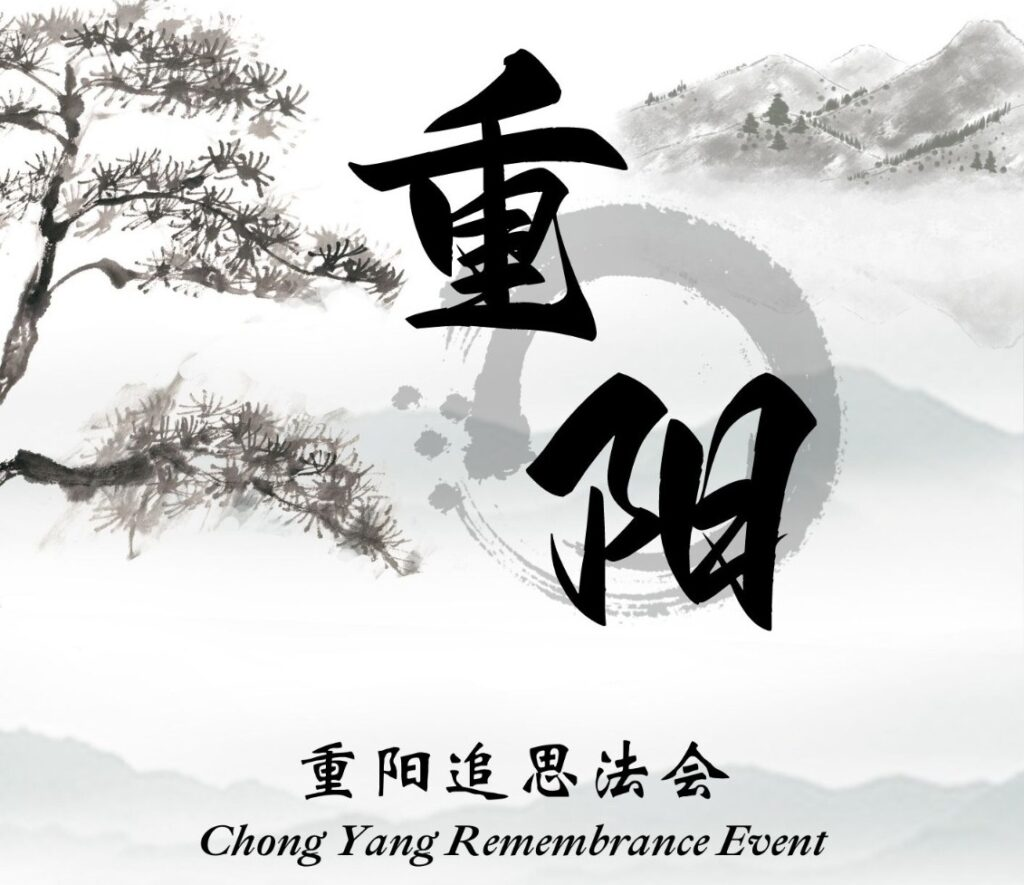
Double Ninth Festival
Celebrated on the ninth day of the ninth lunar month, the Double Ninth Festival, also known as Chong Yang Jie or “Old People’s Day,” is a time to honour the elderly. In Chinese culture, the number nine is associated with Yang, symbolising masculinity and vitality. The double occurrence of the number nine on this day is considered particularly auspicious, and it is a time for Chinese families to pray for the health and longevity of their elders.
Join us in our prayer service to honour your elderly loved ones on this sacred day. For compassionate support or further details, please feel free to reach out to our team.
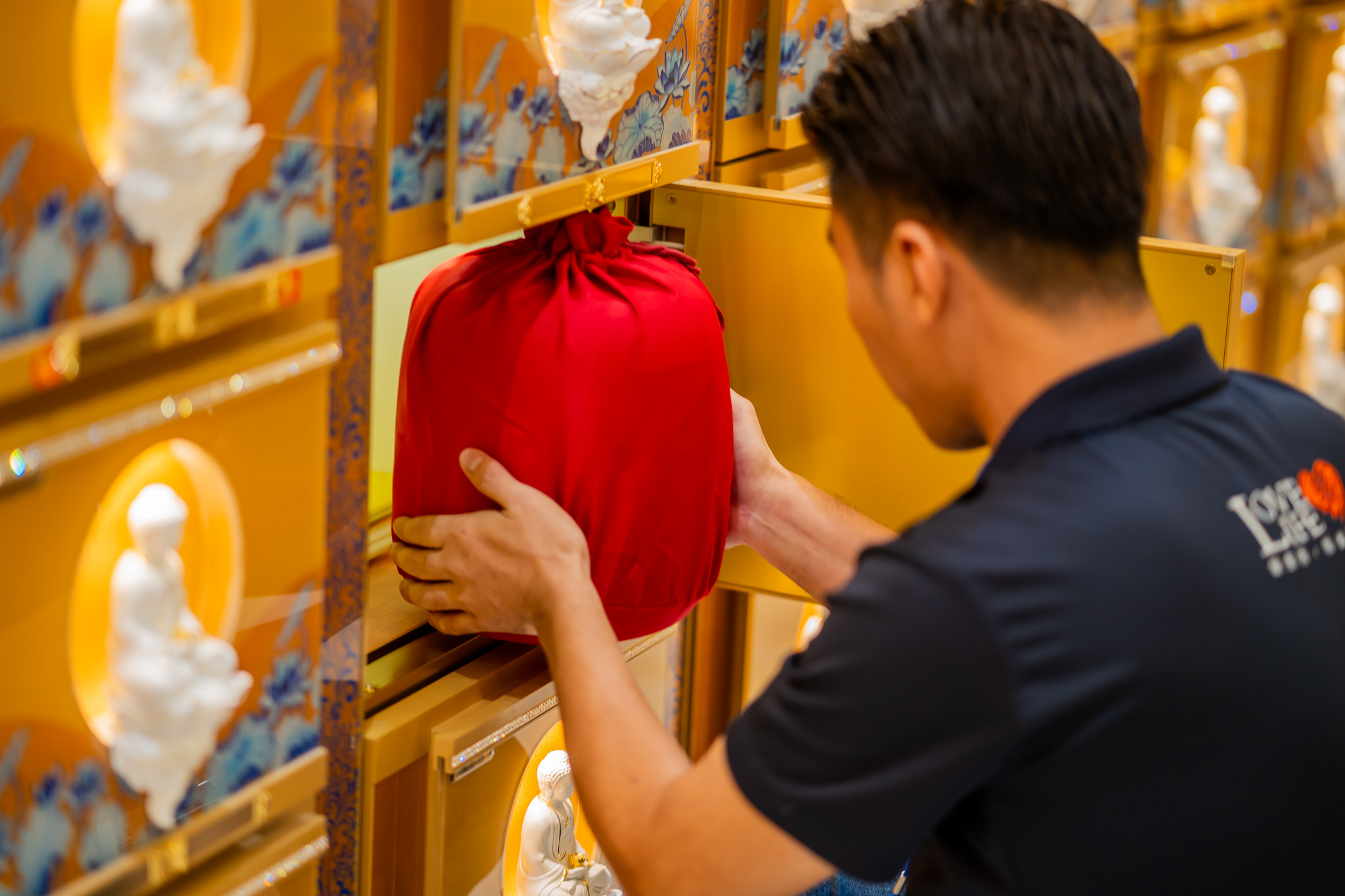
Sheng Ji
The Sheng Ji ceremony is a powerful way to enhance your well-being, fortune, and longevity. Rooted in Chinese culture, this sacred ritual is believed to symbolically align your destiny with positive energy, bringing harmony and success into your life. It also offers an opportunity for your family to foster hope and prosperity together.
Let us help you unlock blessings of health and prosperity for yourself and your loved ones. Contact our caring team for personalised support or more information about this meaningful ceremony.
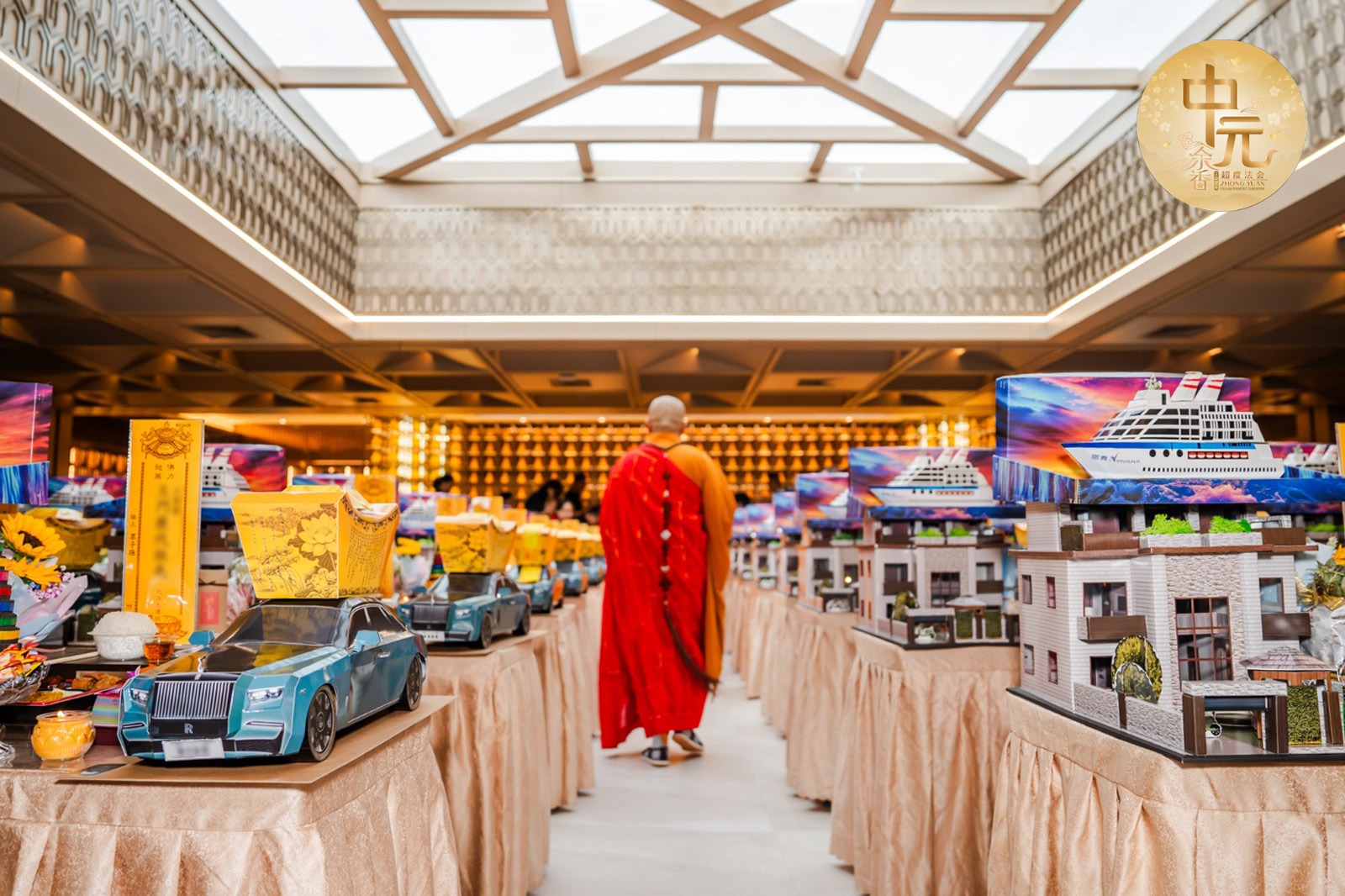
Double Ninth Festival
Celebrated on the ninth day of the ninth lunar month, the Double Ninth Festival, also known as Chong Yang Jie or “Old People’s Day,” is a time to honour the elderly. In Chinese culture, the number nine is associated with Yang, symbolising masculinity and vitality. The double occurrence of the number nine on this day is considered particularly auspicious, and it is a time for Chinese families to pray for the health and longevity of their elders.
Join us in our prayer service to honour your elderly loved ones on this sacred day. For compassionate support or further details, please feel free to reach out to our team.
Latest News & Updates


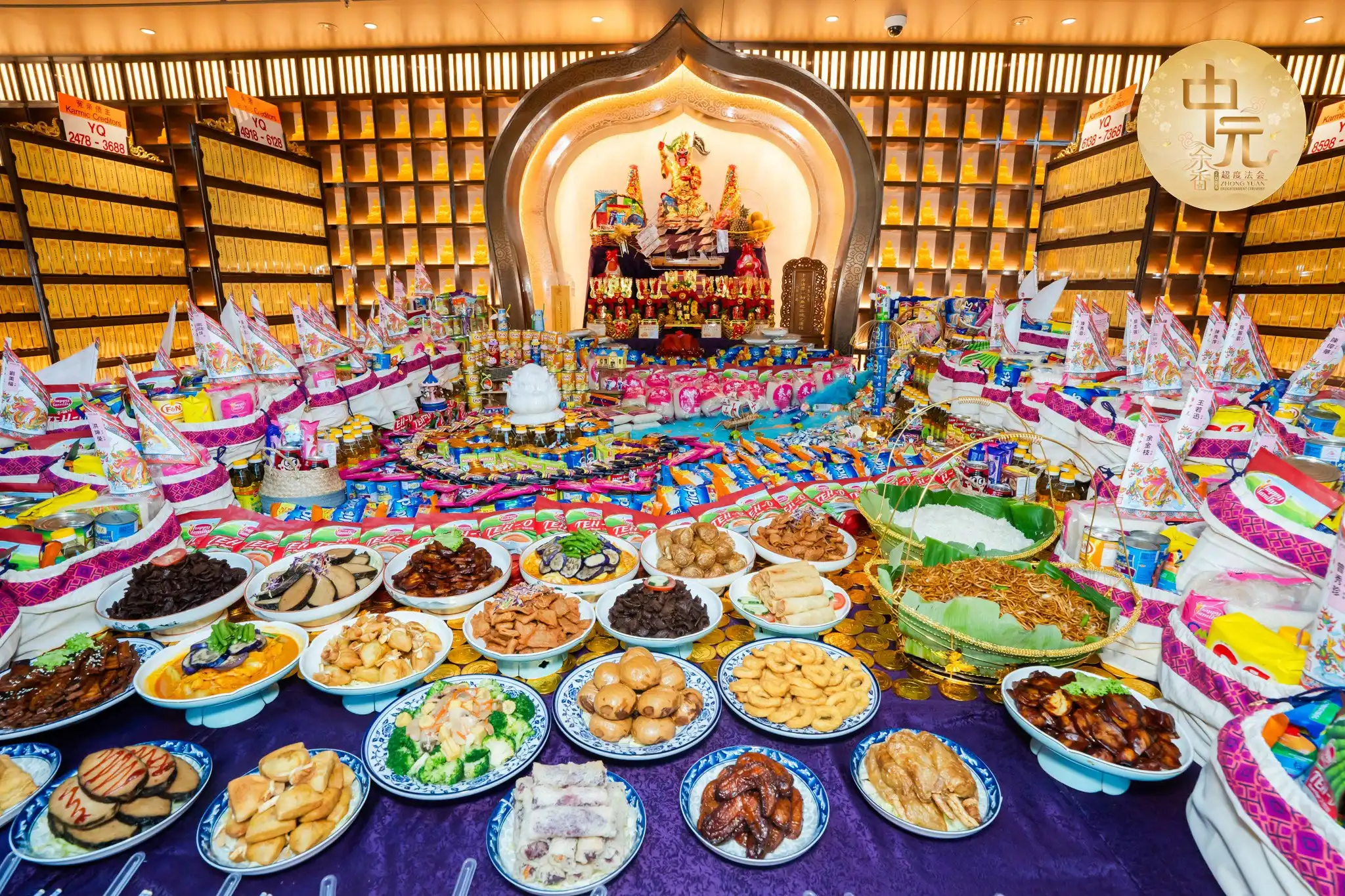


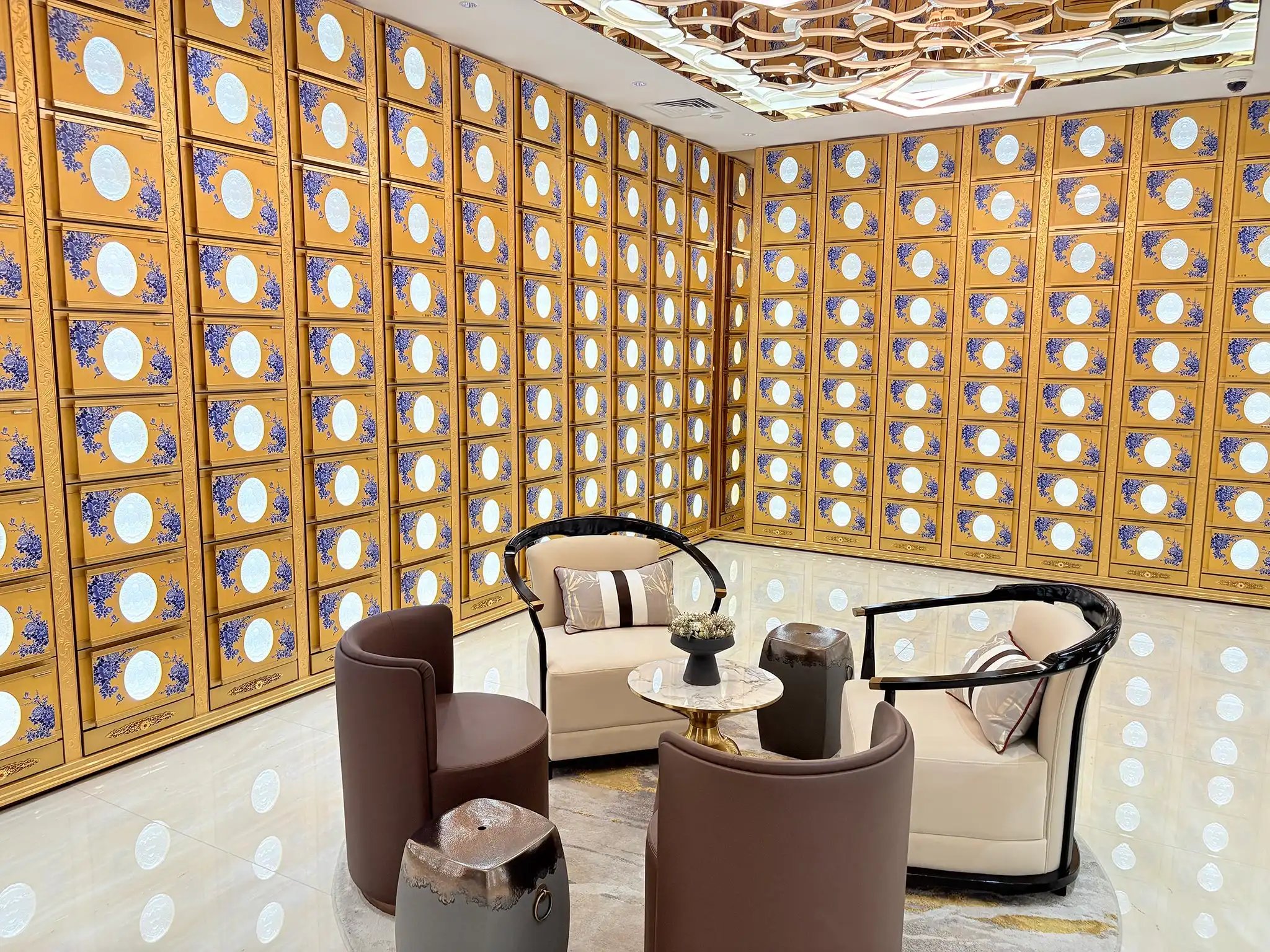
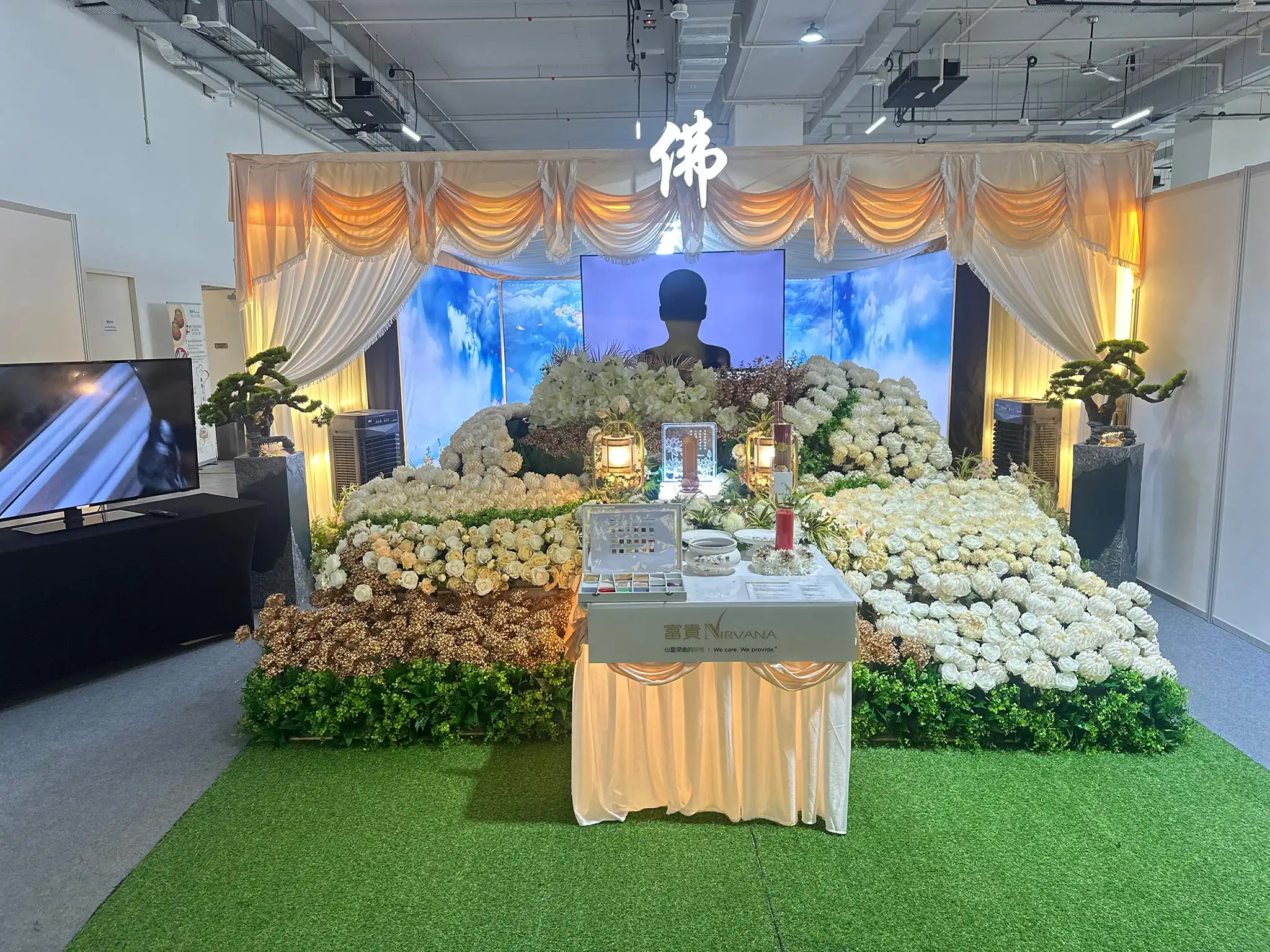
Latest News & Updates
Frequently Asked Questions
Buddha Purnima, also known as Vesak or Buddha Jayanti, is a significant festival celebrated by Buddhists around the world. It commemorates the birth, enlightenment, and death of Gautama Buddha, the founder of Buddhism.
The ceremony brings blessings to both the departed and the living. It may be dedicated to:
If there are two full moons during the month of May, some countries (including Sri Lanka, Cambodia and Malaysia) celebrate Vesak on the first full moon, while others (Thailand, Singapore) celebrate the holiday on the full moon of 4th lunar month.
Vesak Day is about happiness and vivid colours. People clean homes and decorate them with Vesak Day decorations, such as flags, flowers, lanterns, and so on. On this day, Buddhists wear special white clothes.
The Double Ninth Festival is also the “Old Men Festival”. Old people are especially meant to improve their health by taking part in activities on the day of the festival. It is also a time for family get-togethers. It is an occasion to remember one’s ancestors, the sacrifices they made and the hardships they underwent.
A Sheng Ji ceremony, or “living tomb,” is a traditional Feng Shui practice where personal items (hair, nails, clothes) of a living person are symbolically “buried” in an auspicious location to harness earth’s positive energy (Qi) to improve their health, wealth, career, and longevity during their lifetime, essentially acting as a spiritual life-enhancement ritual for the living, not the deceased.
Rituals and ceremonies are powerful cultural practices that shape our lives and societies. From religious rites to secular celebrations, these symbolic actions carry deep meaning and serve important social functions. They create cohesion, mark transitions, and transmit values across generations.