


Lin San Temple
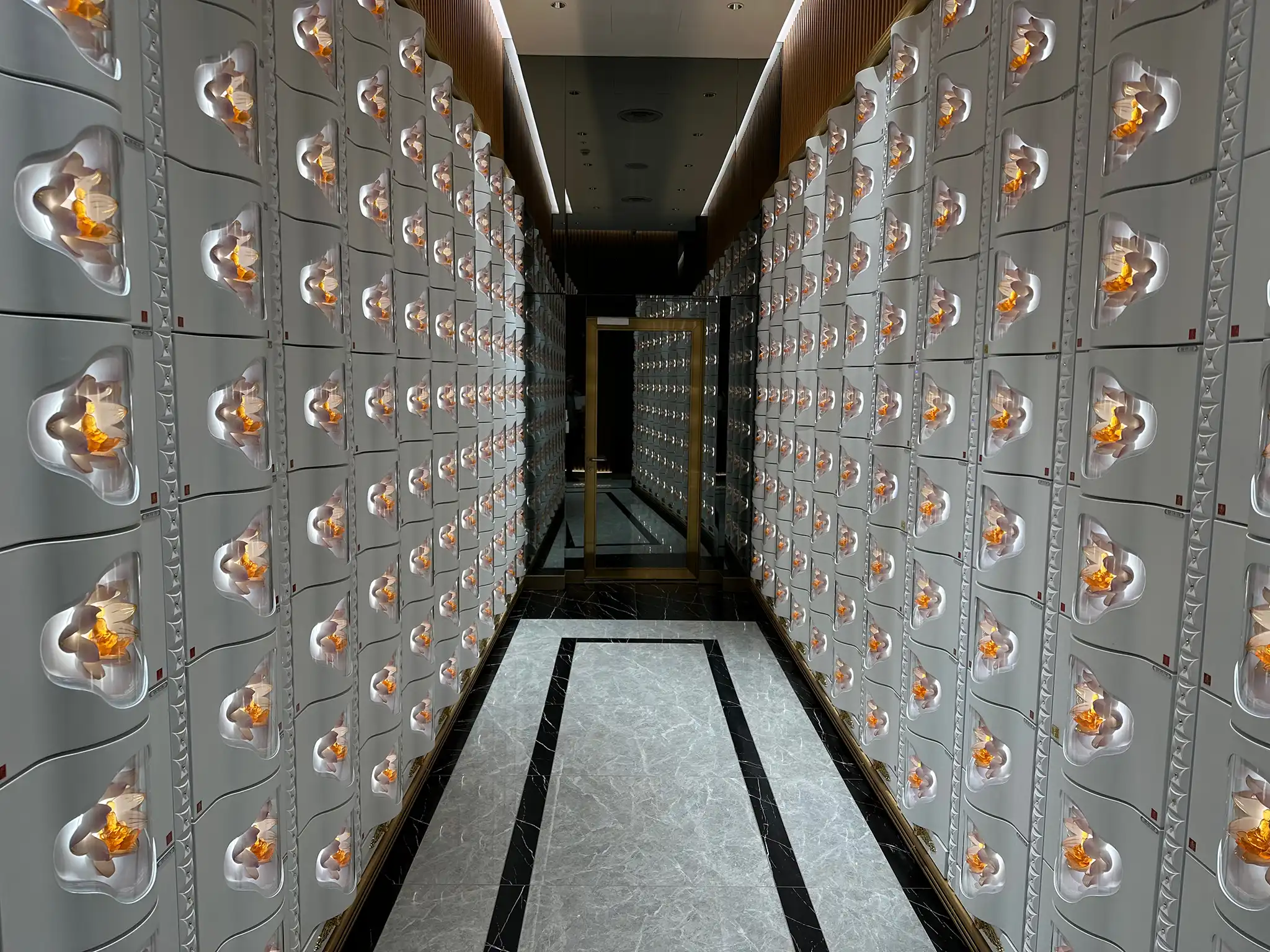
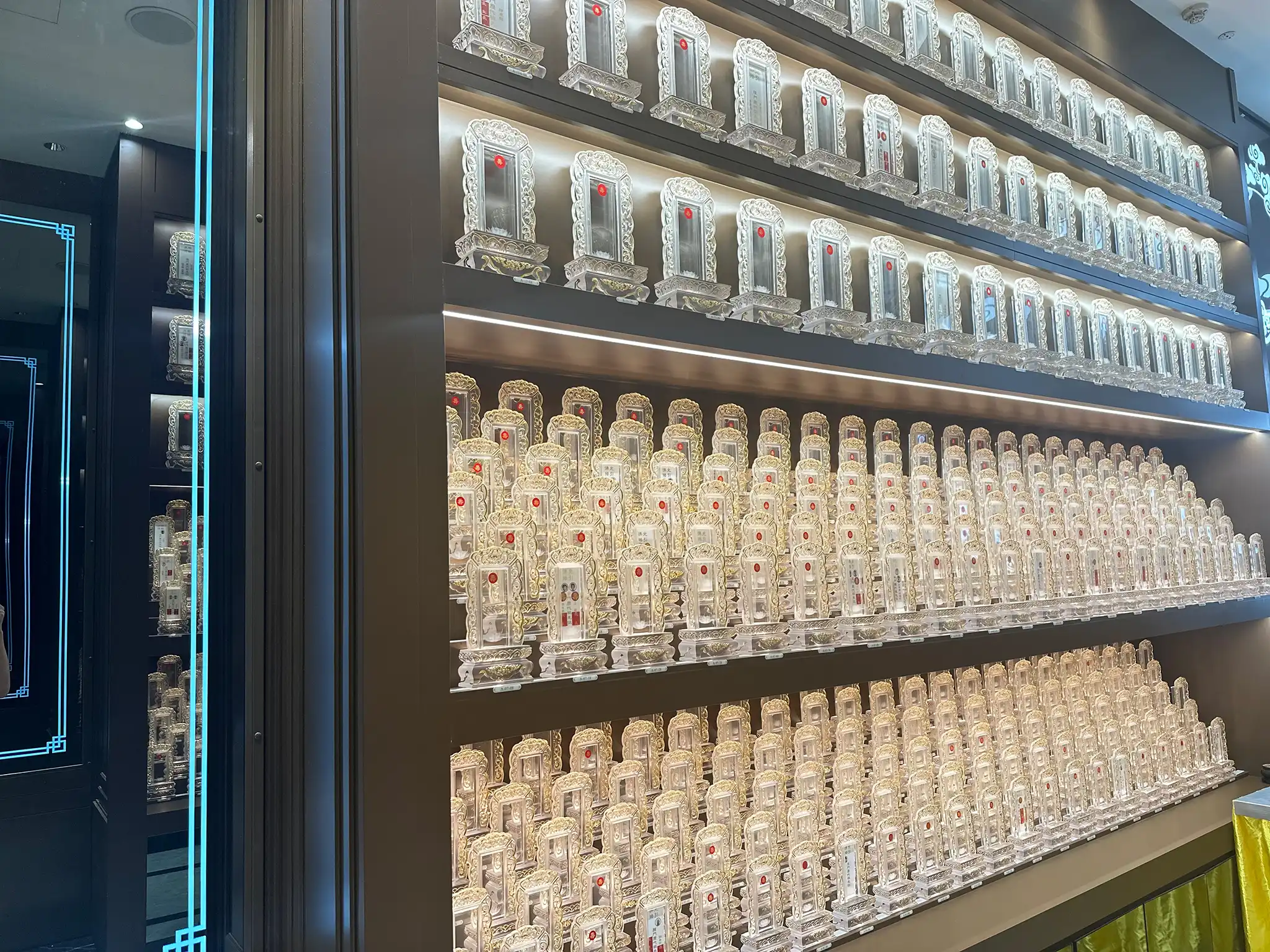
Lin San Temple is a fully air-conditioned Buddhist temple offering Freehold columbarium niches and ancestral tablets. Spanning three storeys, it provides a serene space for prayer, reflection, and remembrance.
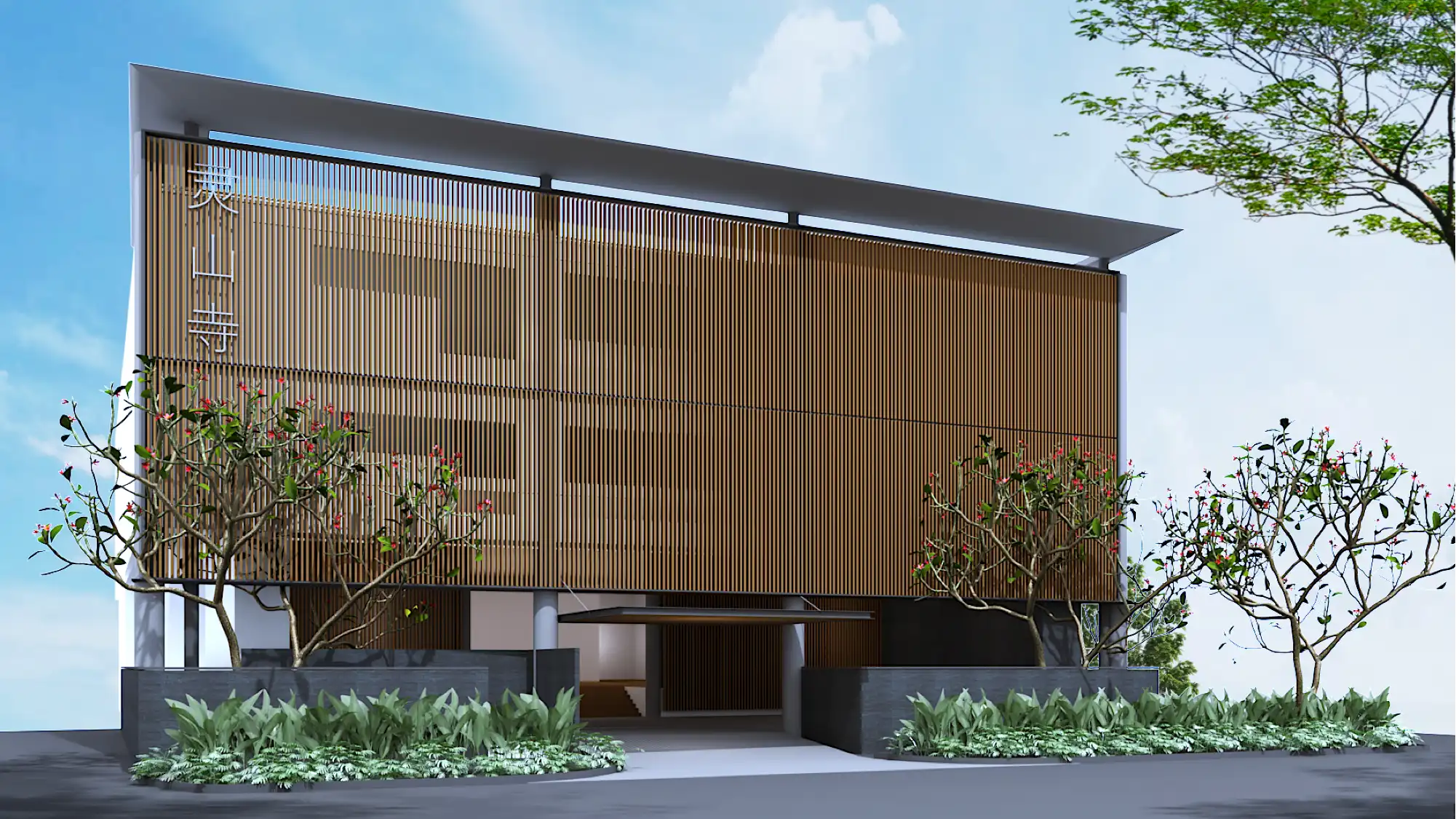
The Origin of Lin San Temple
Lin San Temple was established by Hakka Shifu Ruixiang from Guangdong. After his passing in the 1960s, Venerable Seang Heng and Mingzhen Shifu took over, with Venerable Seang Heng leading the temple’s reconstruction in 1973.
Under Venerable Seang Heng’s guidance, the temple flourished, drawing many worshippers and hosting Buddhist lessons led by visiting monks. Lin San Temple is dedicated to charity as well, actively supporting children’s education, elderly care, and orphanages.
The Reconstruction of Lin San Temple
In 2003, Lin San Temple was demolished for safety reasons due to surrounding construction affecting its foundation. Despite funding challenges and delays, rebuilding the temple remained Venerable Seang Heng’s heartfelt wish. In December 2020, the reconstruction of Lin San Temple was finally completed.
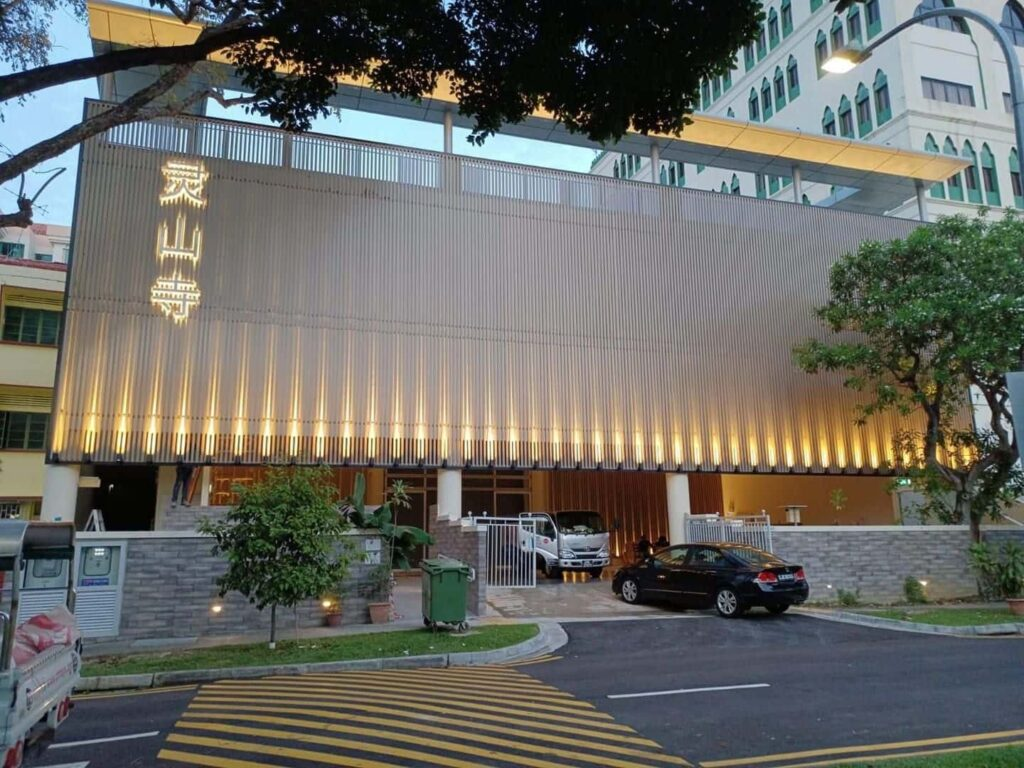
Lin San Temple building and Layout
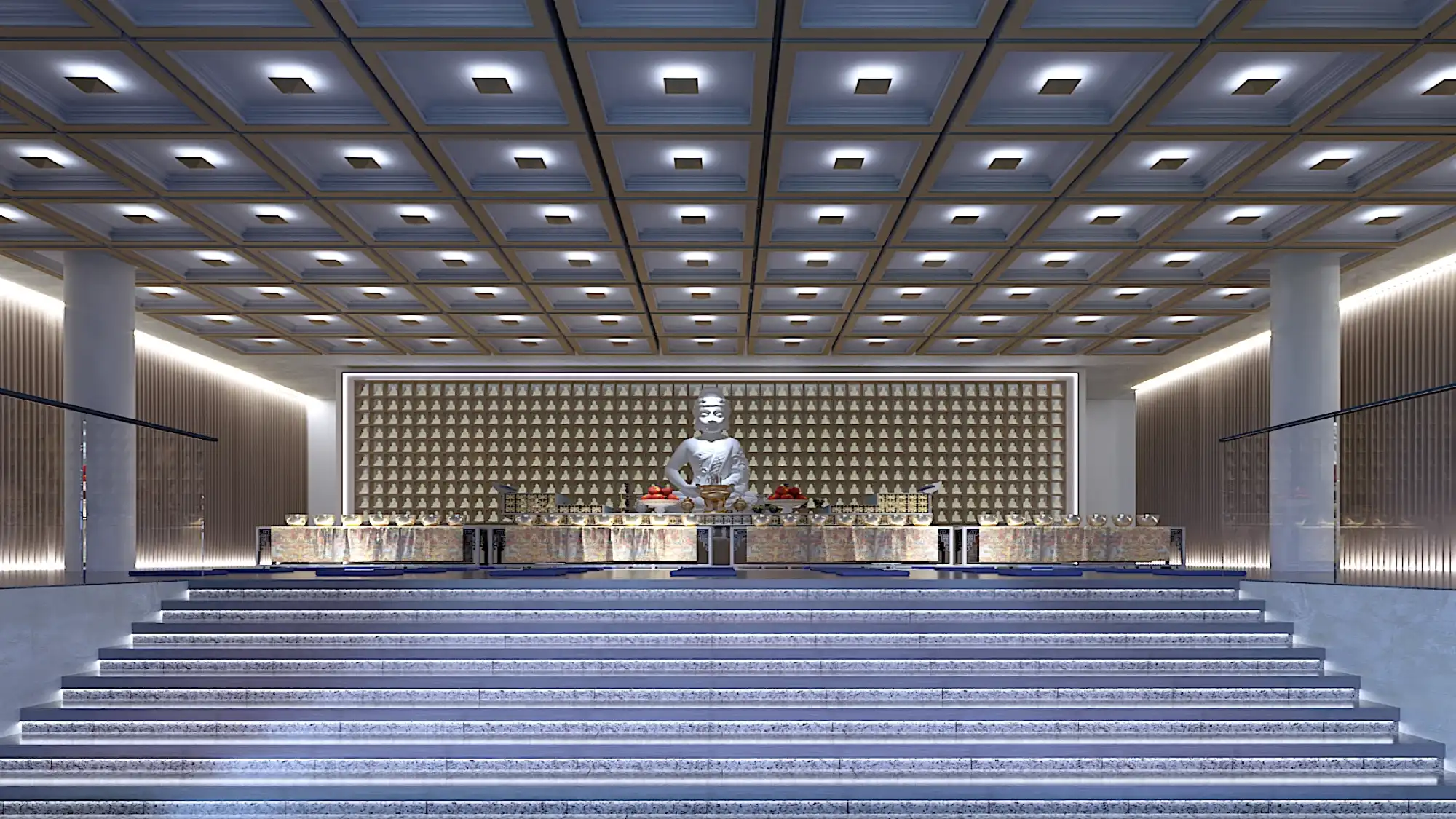
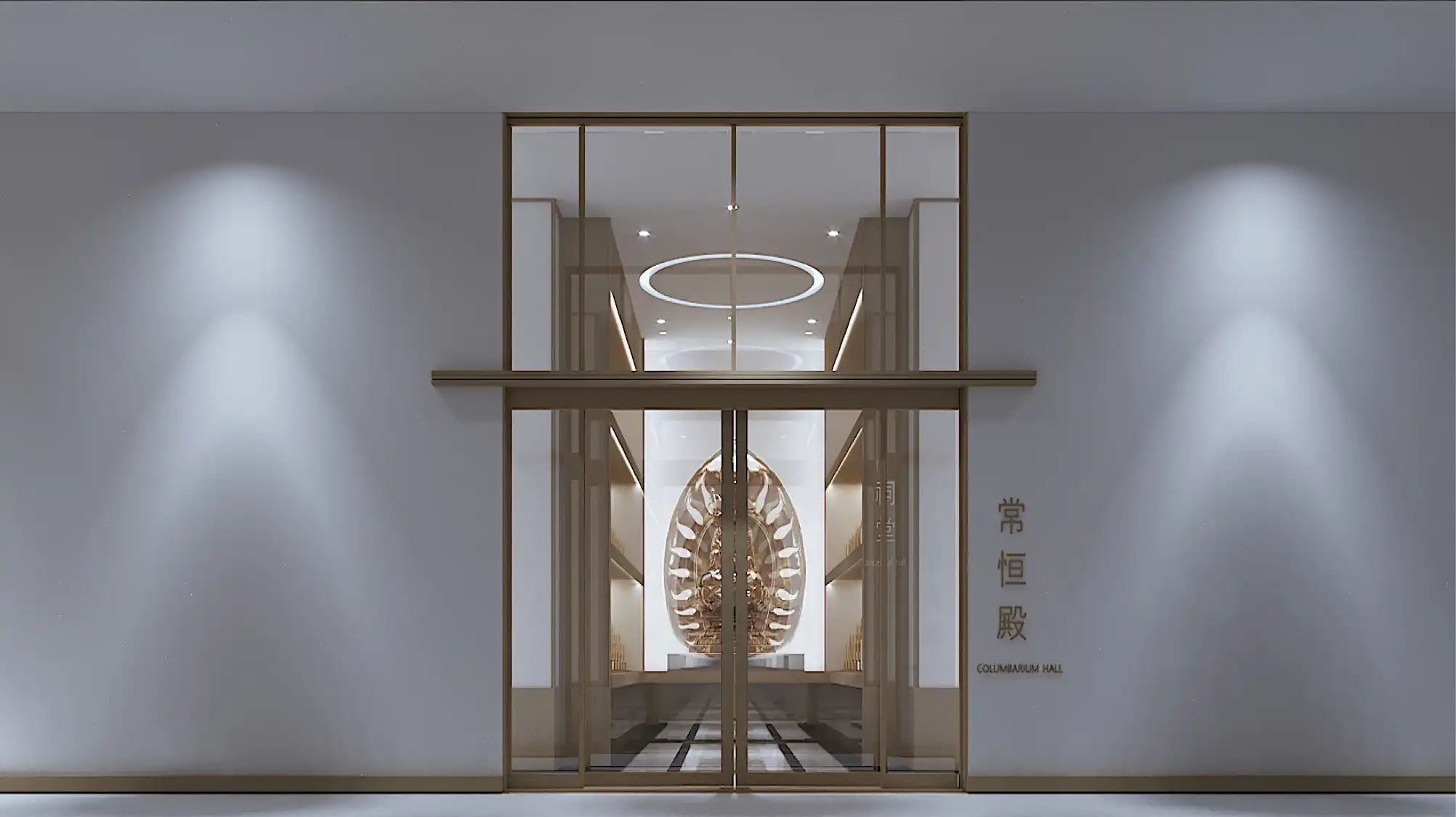
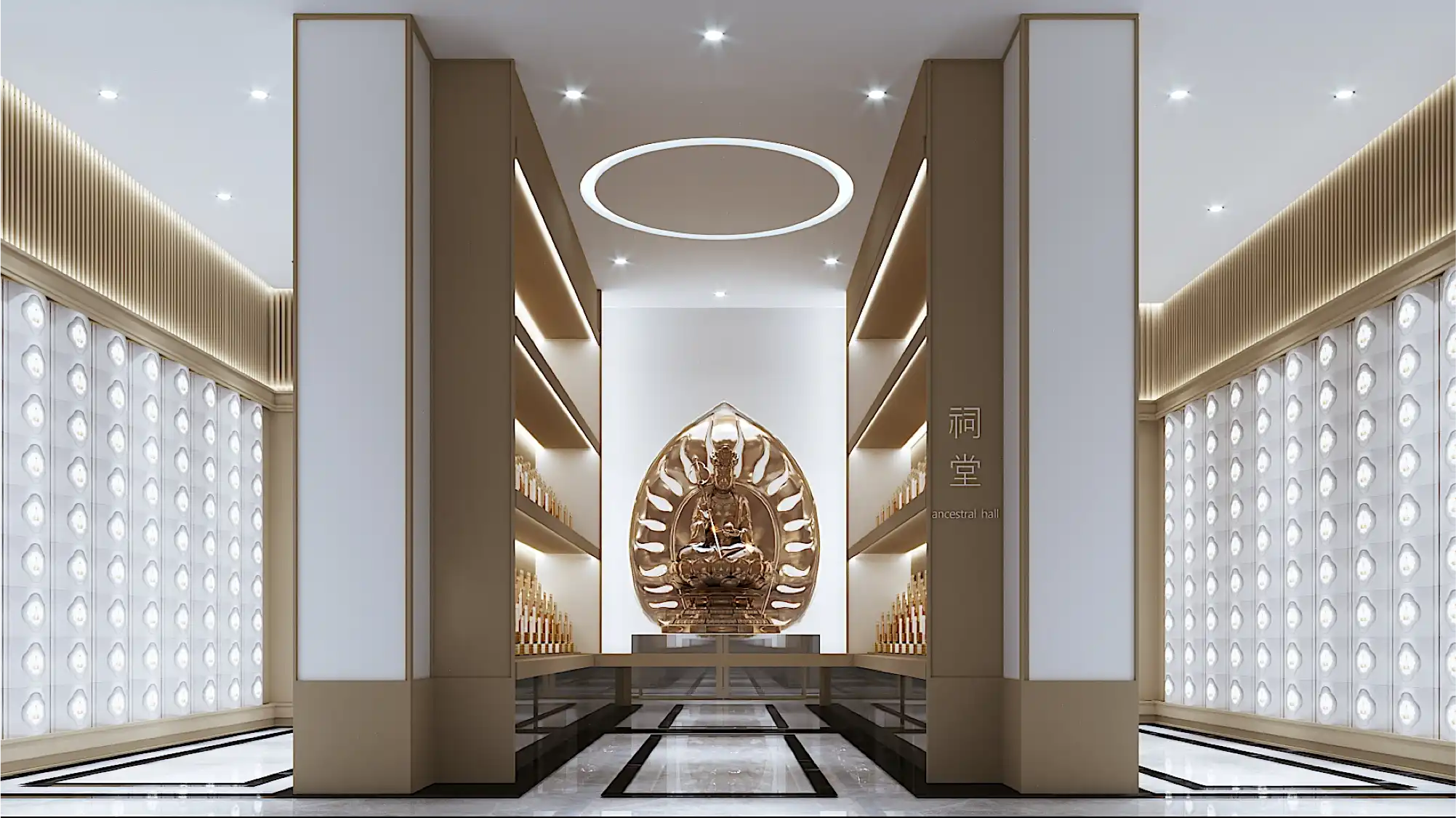
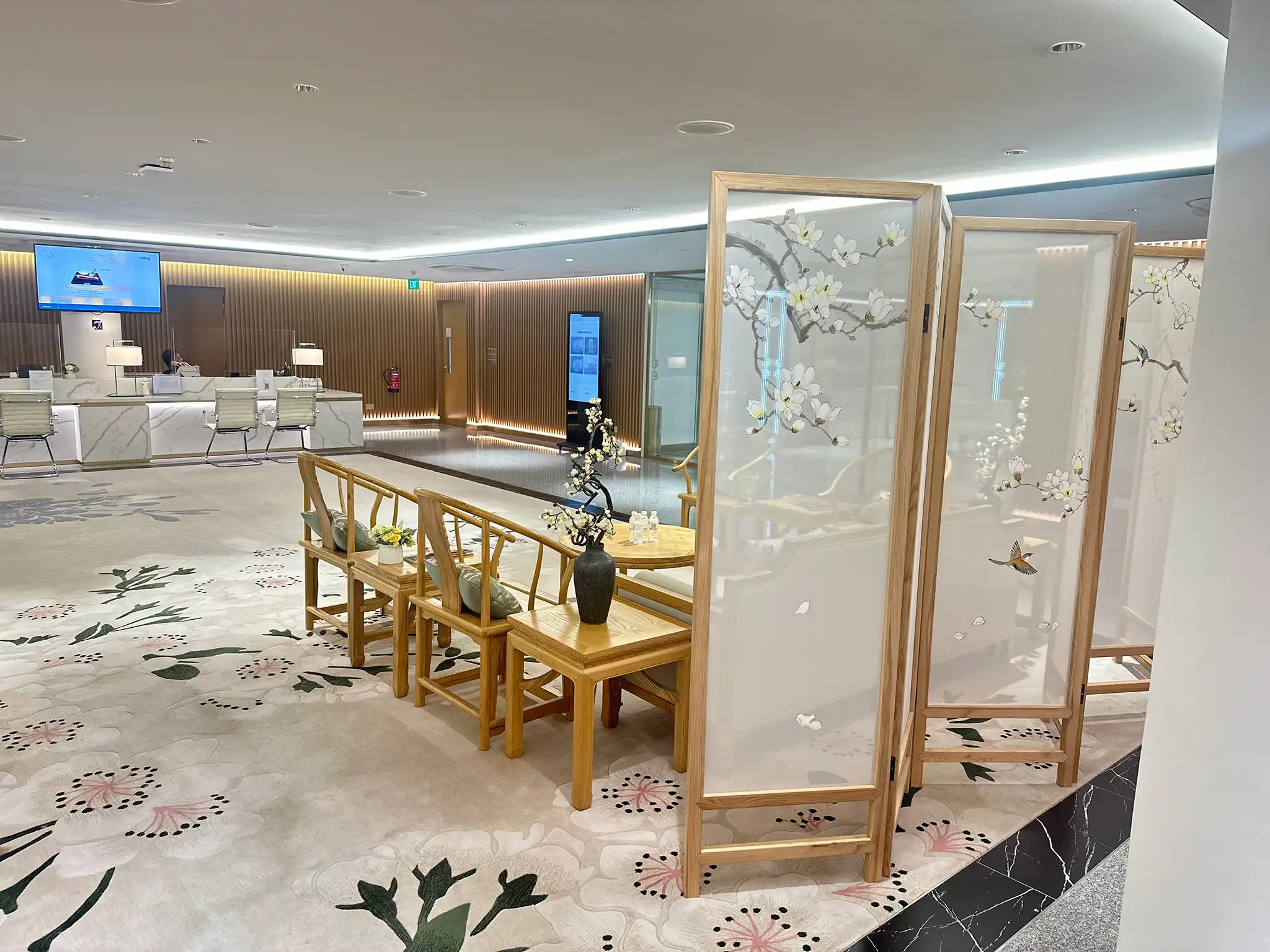
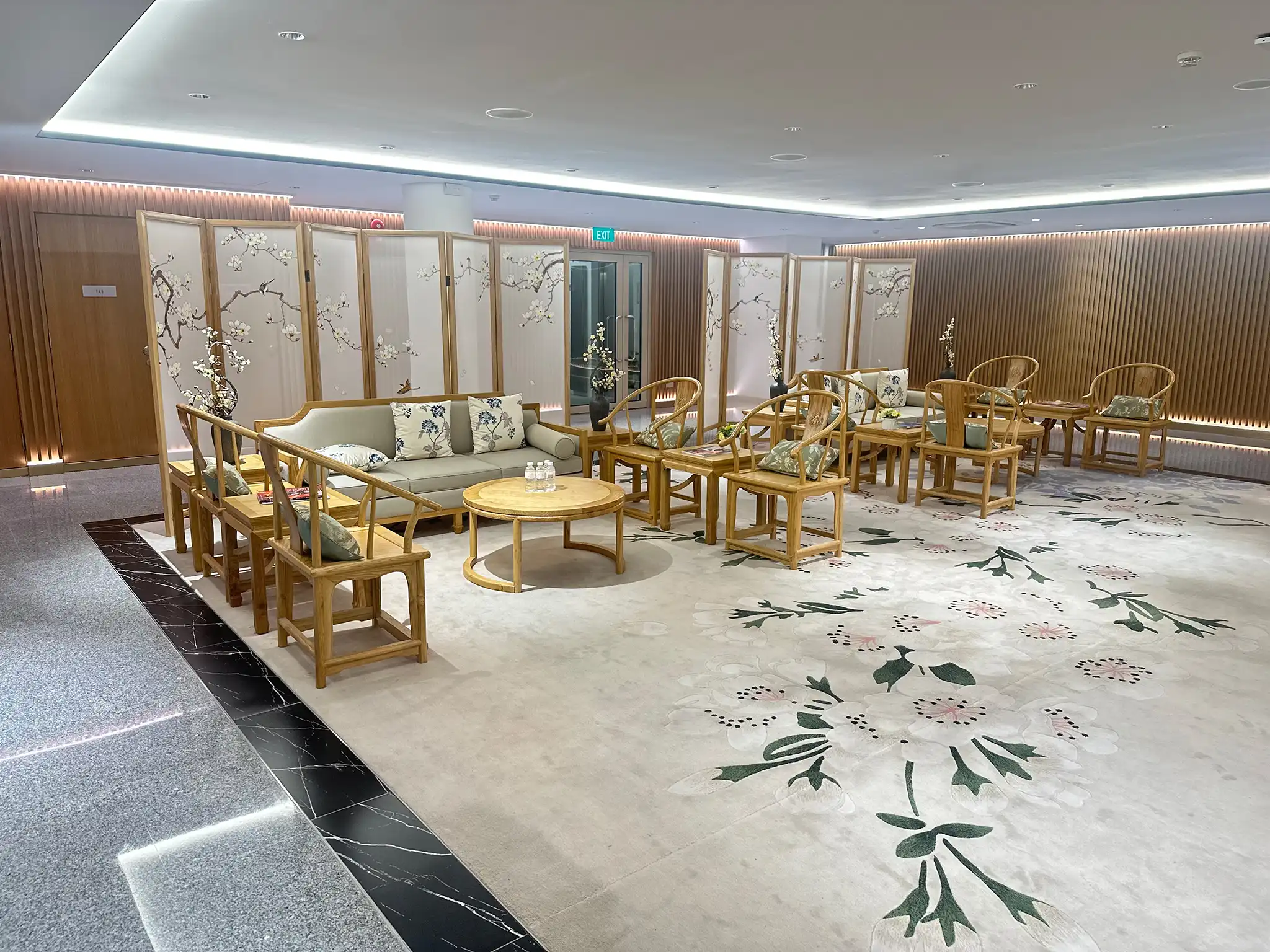
Lin San Temple has been thoughtfully reconstructed with full air-conditioning, offering families and friends a serene space to honour their loved ones. The three-storey temple features a grand main hall on the first and second floors, complete with soaring ceilings.
The third floor is reserved for future expansions to accommodate columbarium niches and ancestral tablets. Visitors are greeted by a two-storey-tall, elegant Buddha statue in the main hall, creating a tranquil and welcoming atmosphere.
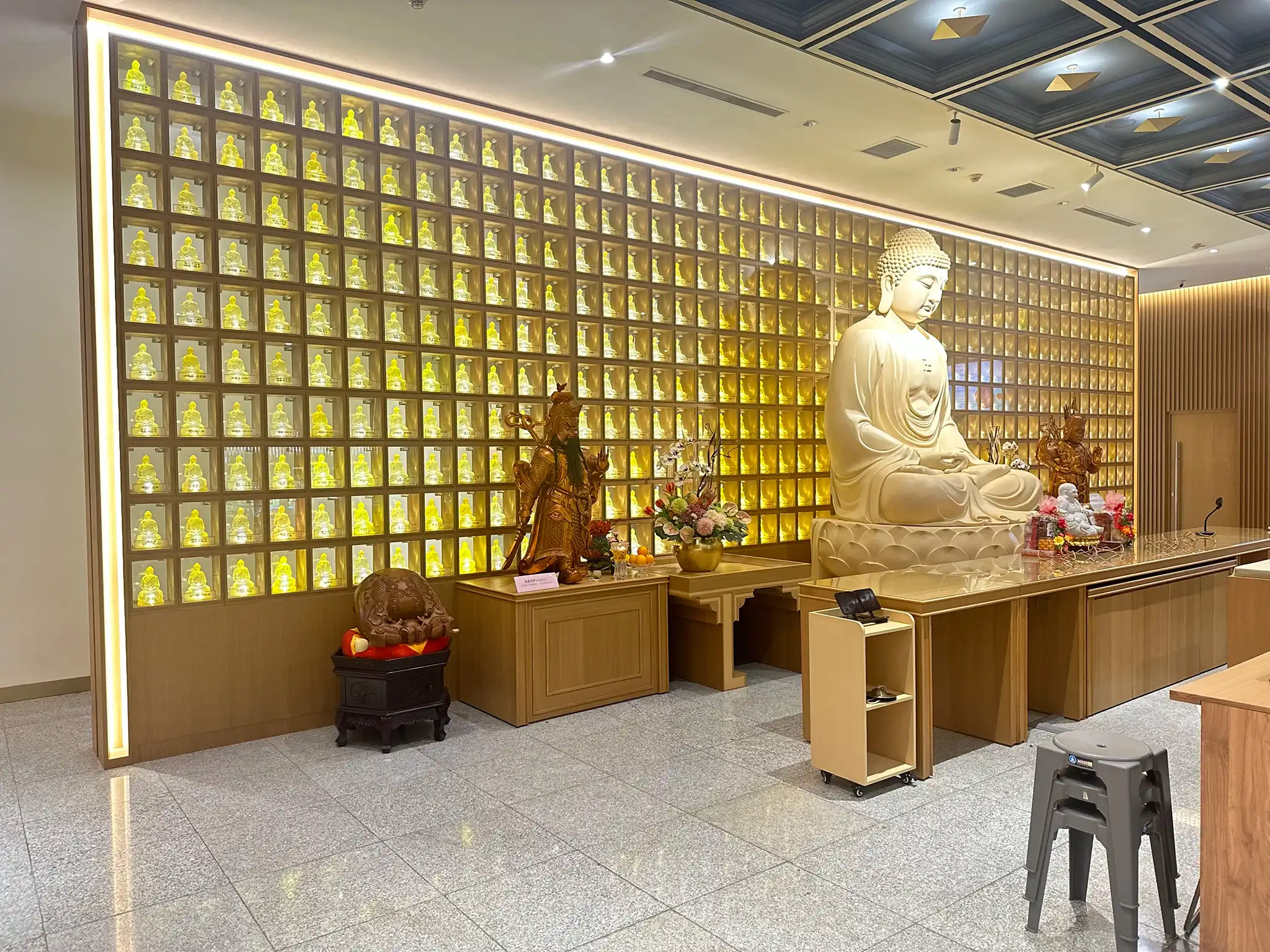
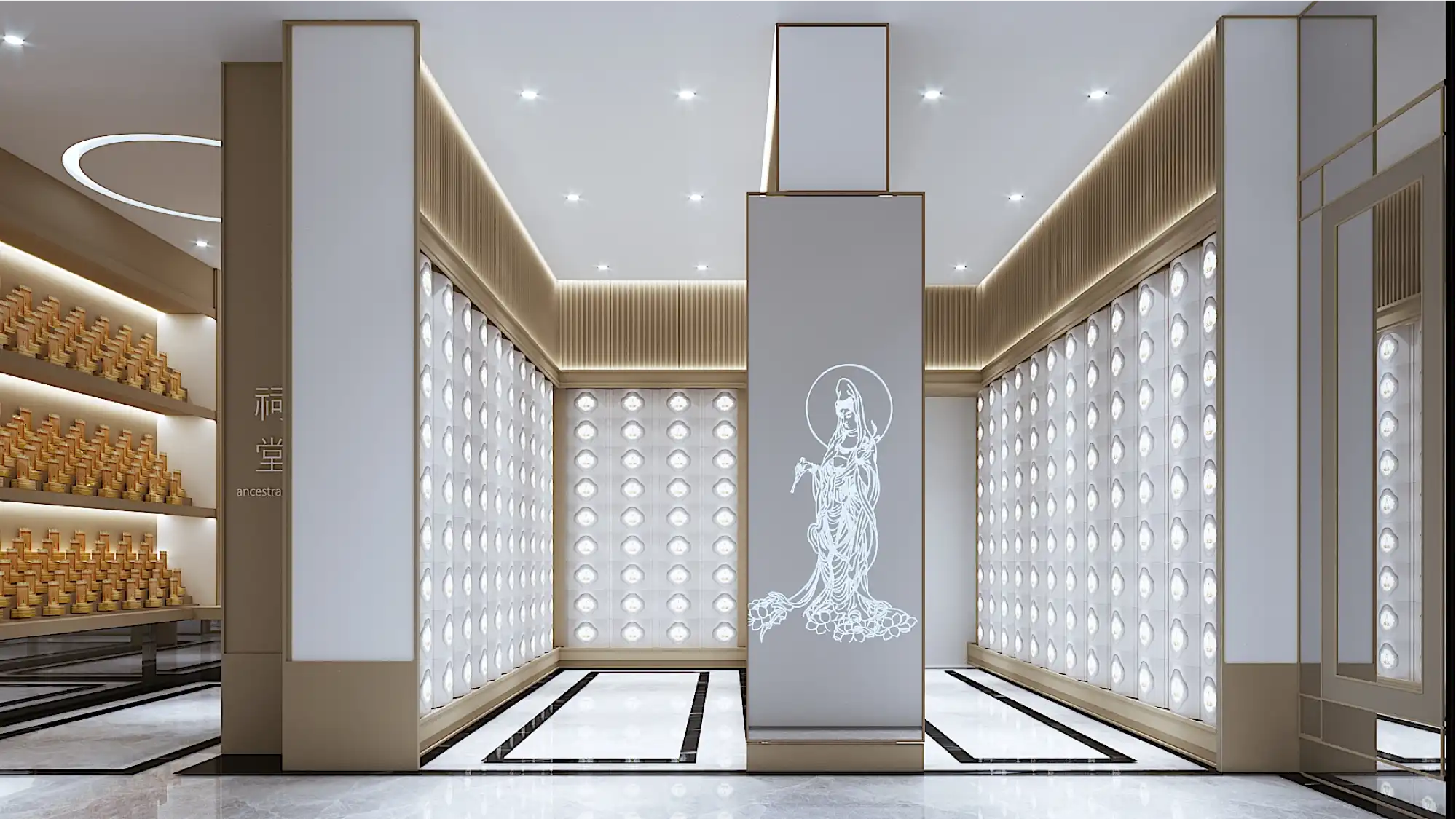
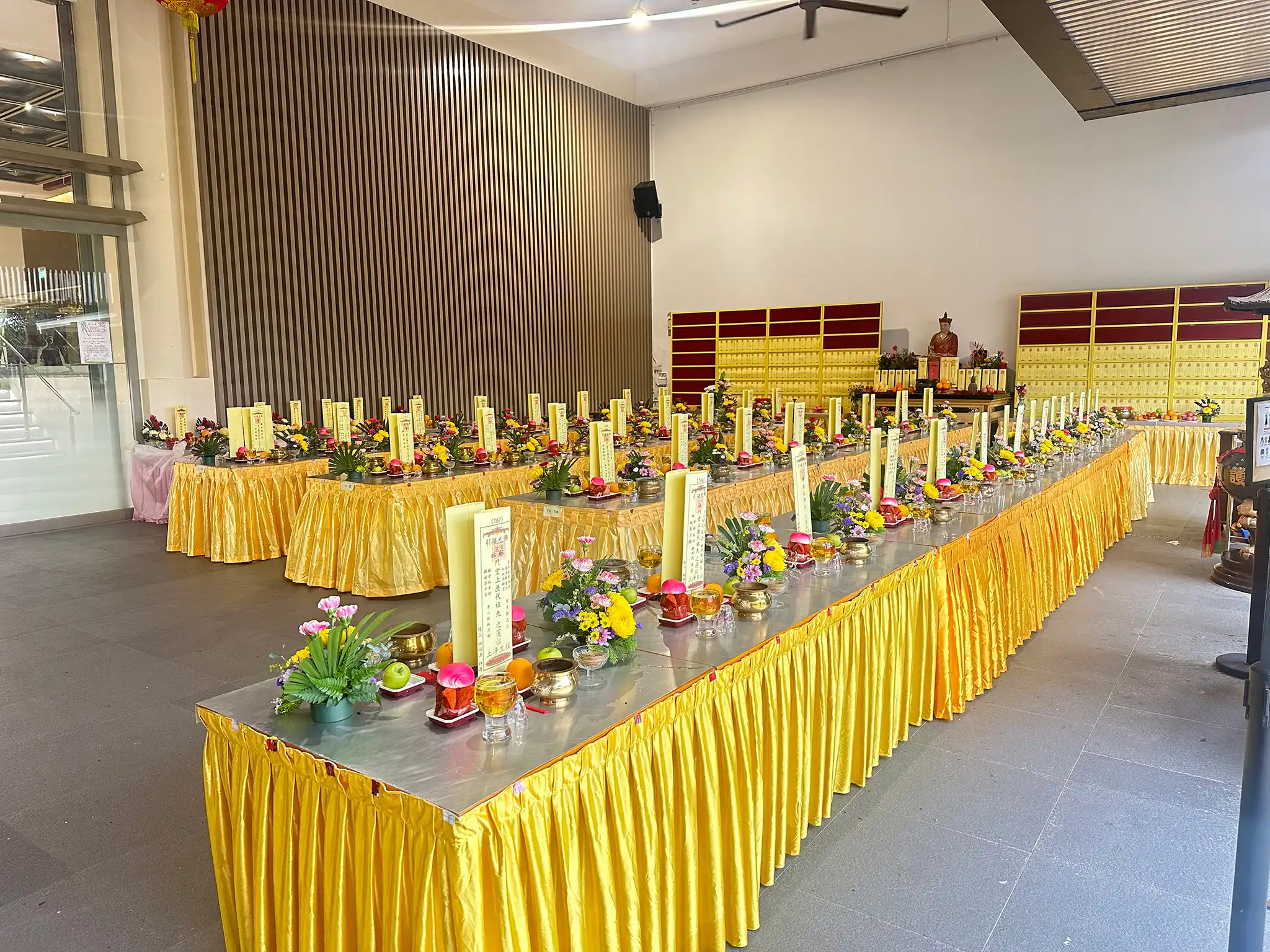
Behind the Buddha statue, the space is divided into three sub-halls: Dynasty 1, Dynasty 2, and Dynasty 3. Dynasty 1 is reserved for future development, while Dynasty 2 houses ancestral tablets. Dynasty 3 serves as a home for columbarium niches, ensuring a dignified resting place for the departed.
Lin San Temple Gallery


Gallery
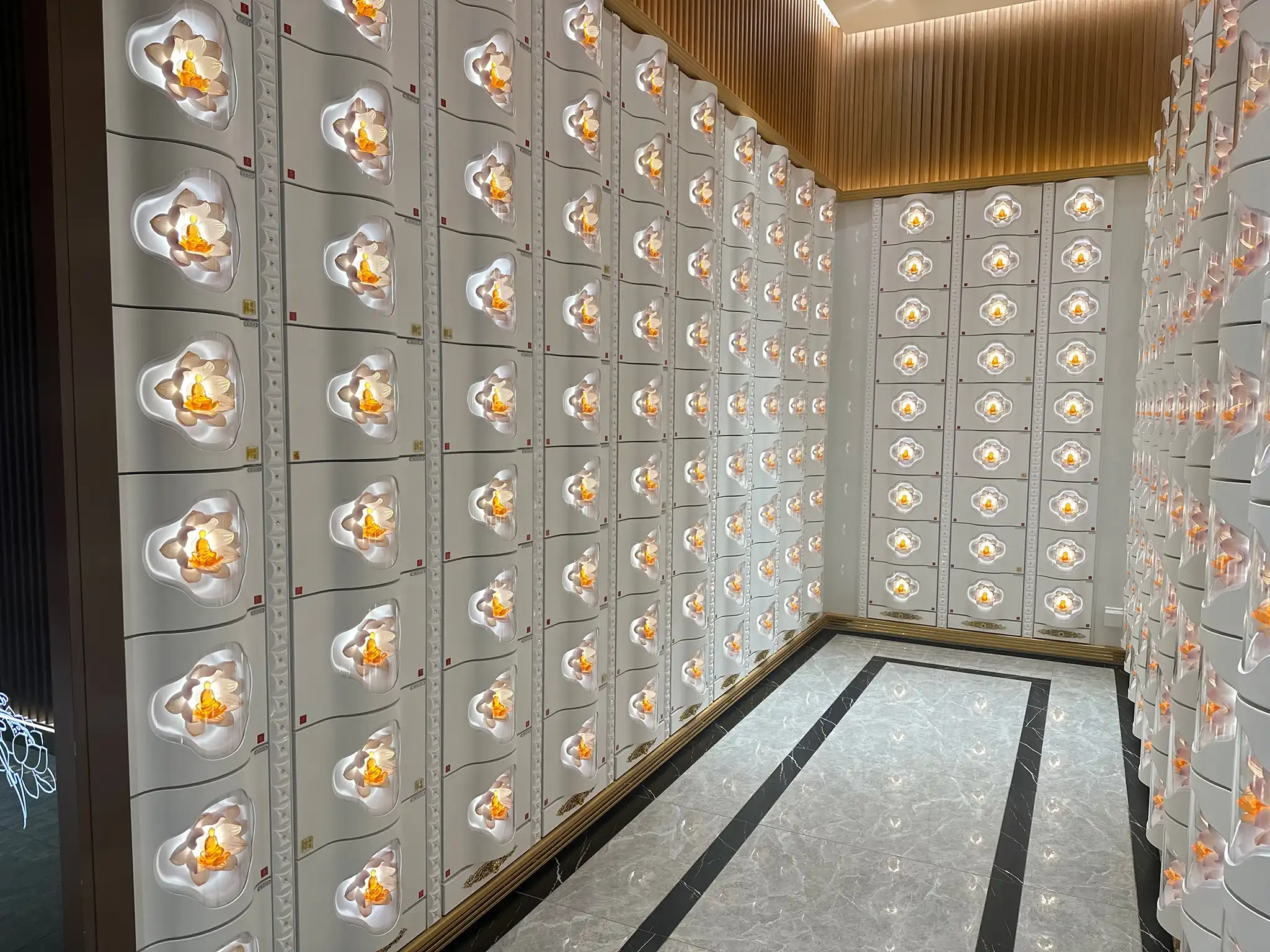
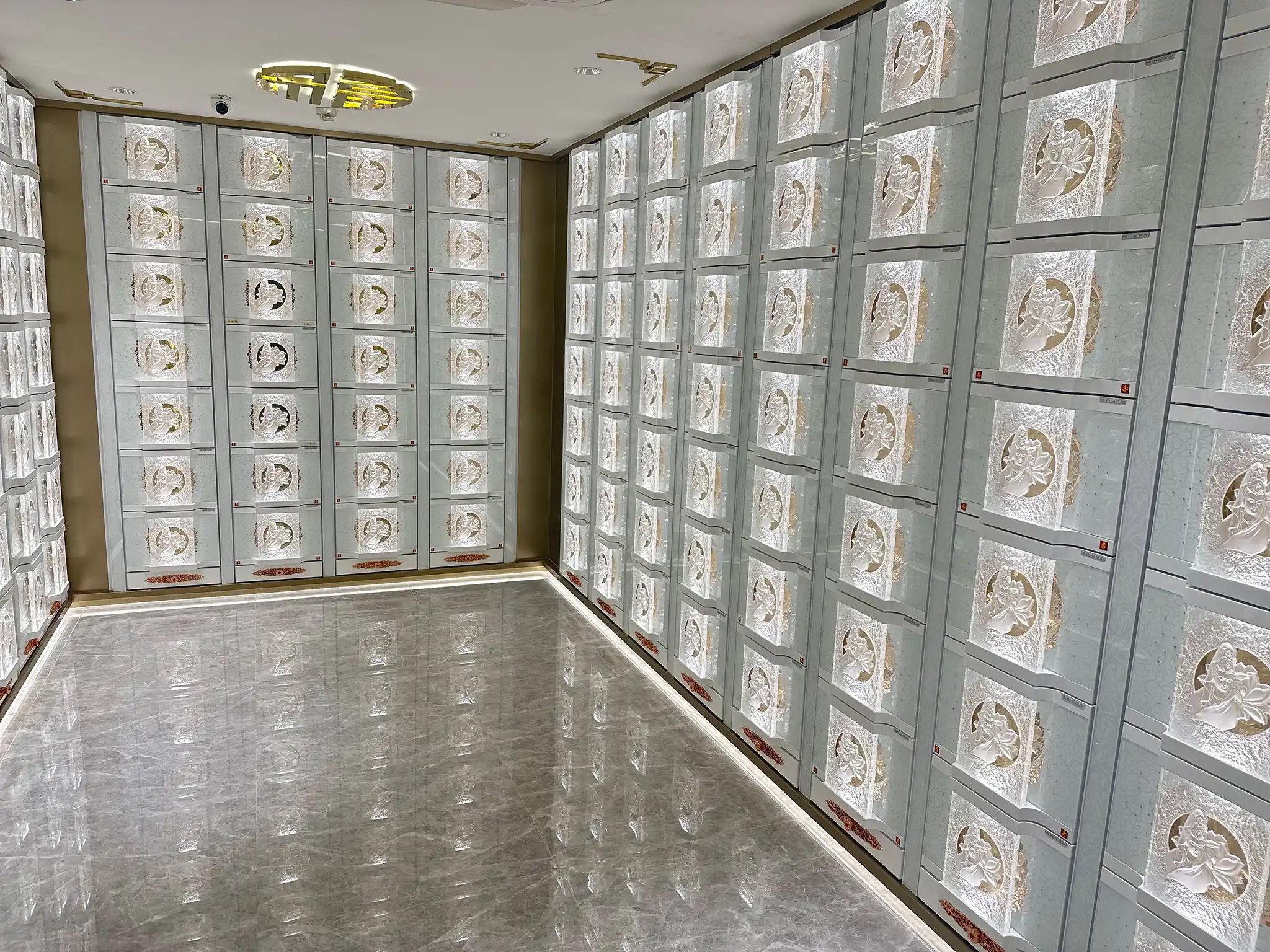
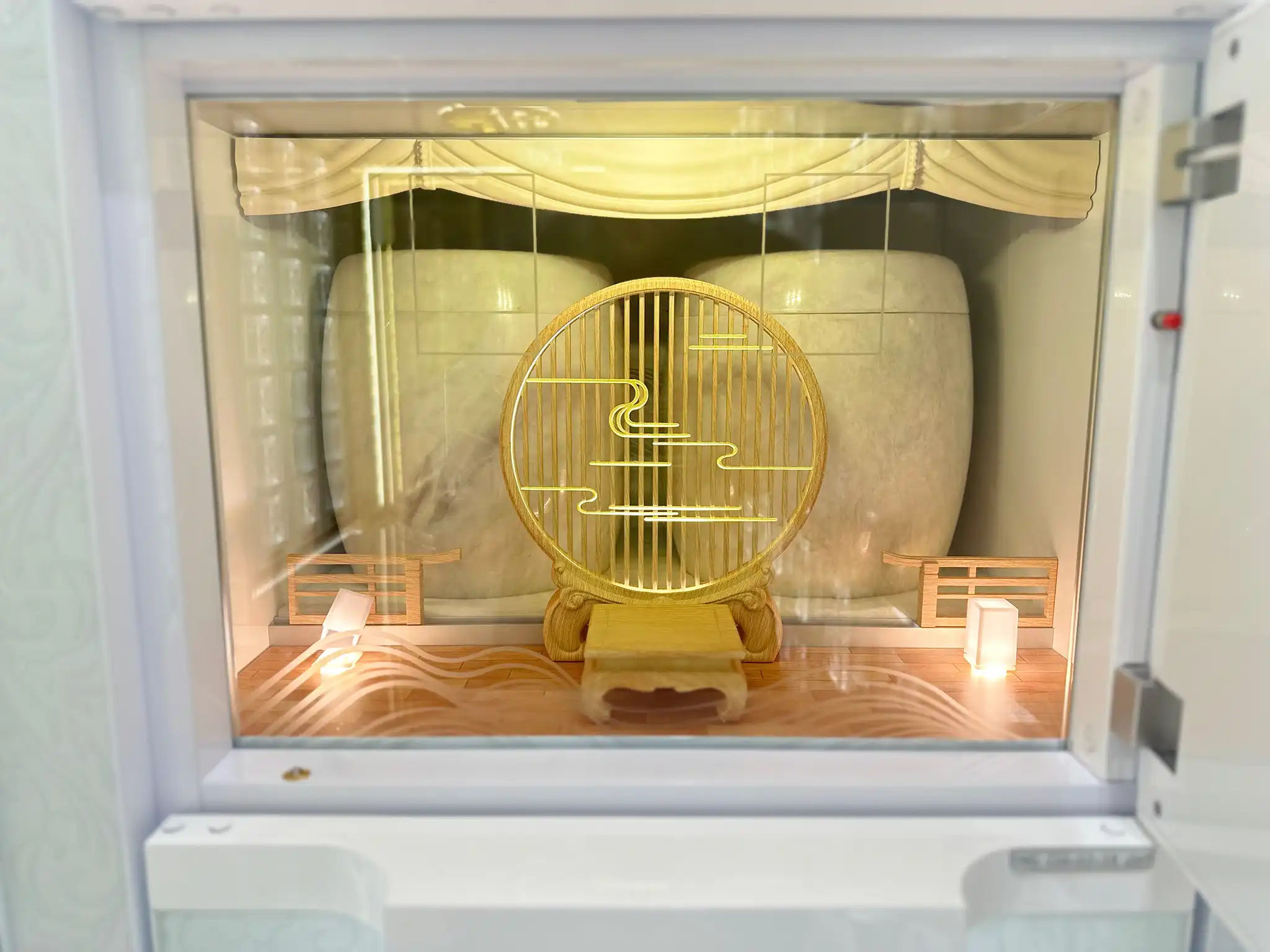
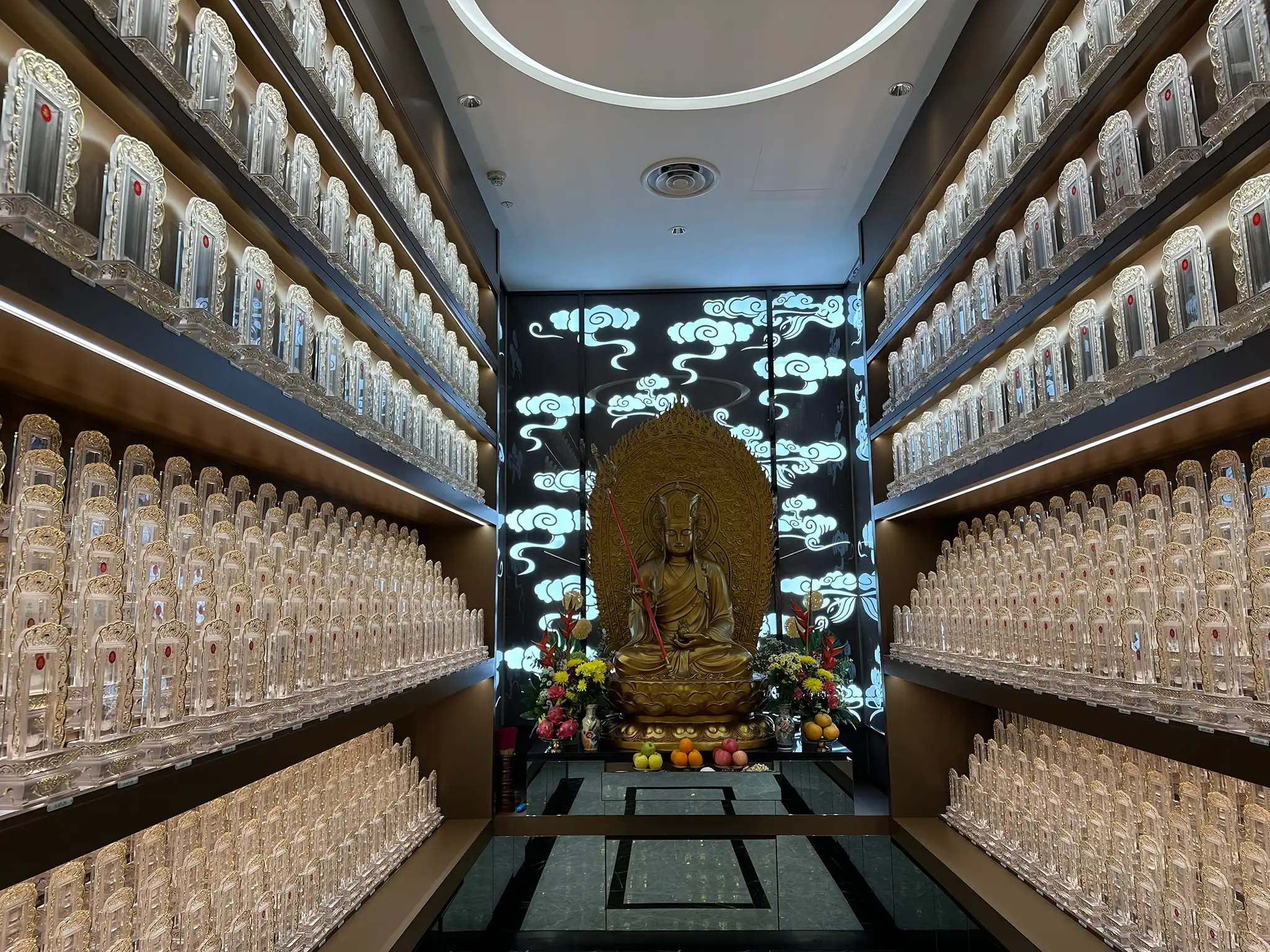
Why Choose Lin San Temple?

Freehold Lease
Lin San Temple offers freehold columbarium niches and ancestral tablets, providing a lasting and dignified place of remembrance for your loved ones.

Ensures Personal Wishes are Honoured
Lin San Temple ensures that personal wishes are honoured with care, dignity, and compassion. Every arrangement is handled with utmost respect, allowing loved ones to be remembered

Financial Preparation
Secure a columbarium niche or ancestral tablet with up to 48 months of interest-free instalments, available for both pre-planning and immediate needs.

Promotes Open Conversations and Peace of Mind
Lin San Temple promotes open conversations and peace of mind by offering a serene, inclusive environment where families and individuals can come together.
Frequently Asked Questions
Prayer etiquette at Lin San Temple involves dressing modestly (covering shoulders/knees), removing hats/shoes, keeping quiet, turning off phones, and showing respect by not touching statues; prayer itself focuses on silent reverence, maybe ringing a bell, offering incense/flowers, bowing deeply (often twice), and placing palms together with silent focus, avoiding loud clapping, and bowing again when leaving.
Take off your shoes and hats before entering. There will almost always be a sign outside of the temple pointing visitors to the designated area for shoes and hats.
While there’s no strict rule against wearing certain colours while visiting temples, it’s generally considered less auspicious to wear colours like black due to its association with mourning and negativity.
Lin San Temple in Singapore is significant as a modern Buddhist sanctuary blending traditional worship with innovative memorial services, offering freehold columbarium niches and ancestral tablets, symbolizing faith meeting modern needs, and continuing a legacy of charity under the guidance of influential monks like Venerable Seang Heng. Its history traces back to the 1960s, evolving from a modest temple into a state-of-the-art facility through rebuilding efforts, becoming a vital spiritual hub for remembrance and community welfare.
For the male visitors, their shirts should have sleeves, and trousers should cover beyond the knees. Avoid wearing tank-tops and short shorts. For women, the dress code for women follows similar guidelines which is, modest clothing that covers shoulders and legs appropriately.


